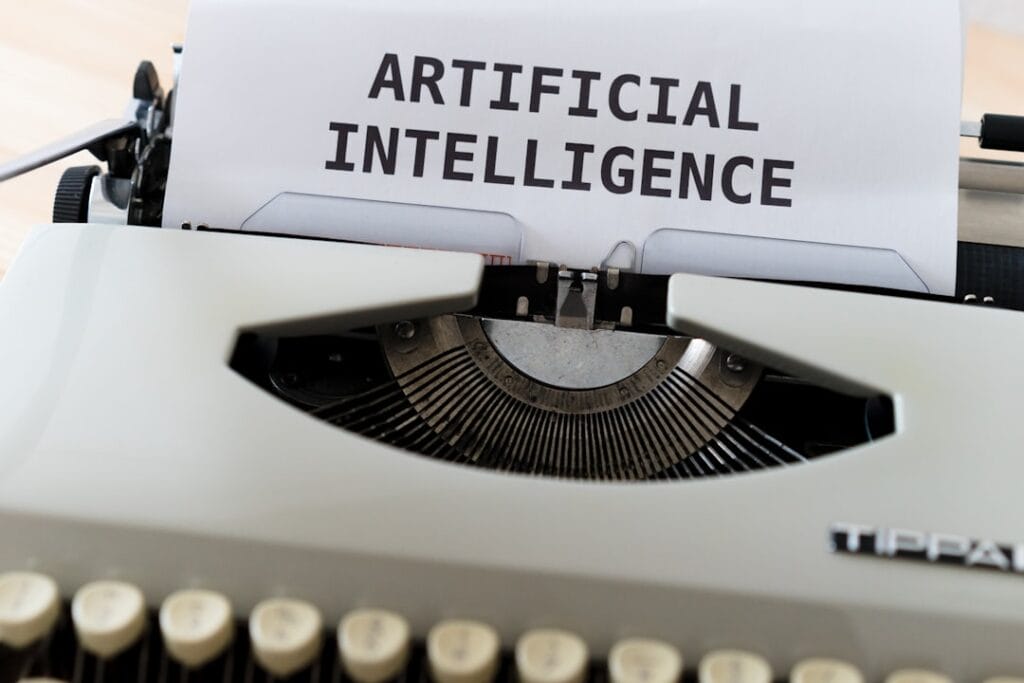
OpenAI, founded in December 2015, is an artificial intelligence research organization whose mission is to promote and develop AI that benefits humanity. One of its flagship products, the Generative Pre-trained Transformer (GPT) language model, has revolutionized the way we think about writing. By enabling users to generate text smoothly and consistently, OpenAI has ushered in a new era of human-machine interaction.
The impact of this technology on writing is profound, as it challenges traditional methods of content creation and offers powerful tools to writers, journalists, and content creators. Writing, which has always been a means of human expression, now finds itself at a crossroads. On the one hand, writers can benefit from invaluable assistance in overcoming writer's block or generating new ideas.
On the other hand, the question arises: how far can we go in automating literary creation? OpenAI is not just transforming writing; it is also redefining our understanding of what it means to be a writer in the digital age.
Summary
- Introduction to OpenAI and its impact on writing
- OpenAI's current capabilities in text generation
- The future of writing with OpenAI: possibilities and limitations
- The ethical implications of using OpenAI for writing
- The impact of OpenAI on the publishing and writing industries
OpenAI's current capabilities in text generation
OpenAI's text generation capabilities are impressive and constantly evolving. Thanks to advanced algorithms and deep learning, models like GPT-3 can produce texts that mimic human style with remarkable accuracy. Whether writing articles, essays, poems, or even dialogues, OpenAI can adapt to different tones and contexts.
Users can simply provide a prompt, and the template generates text that meets their expectations. Furthermore, OpenAI has integrated features that allow users to customize the style and content of the generated text. For example, a writer can ask OpenAI to adopt a formal or informal tone, or even incorporate elements specific to a given topic.
This flexibility makes OpenAI a valuable tool for industry professionals, but also for amateurs who want to explore their creativity without the usual constraints.
The future of writing with OpenAI: possibilities and limitations
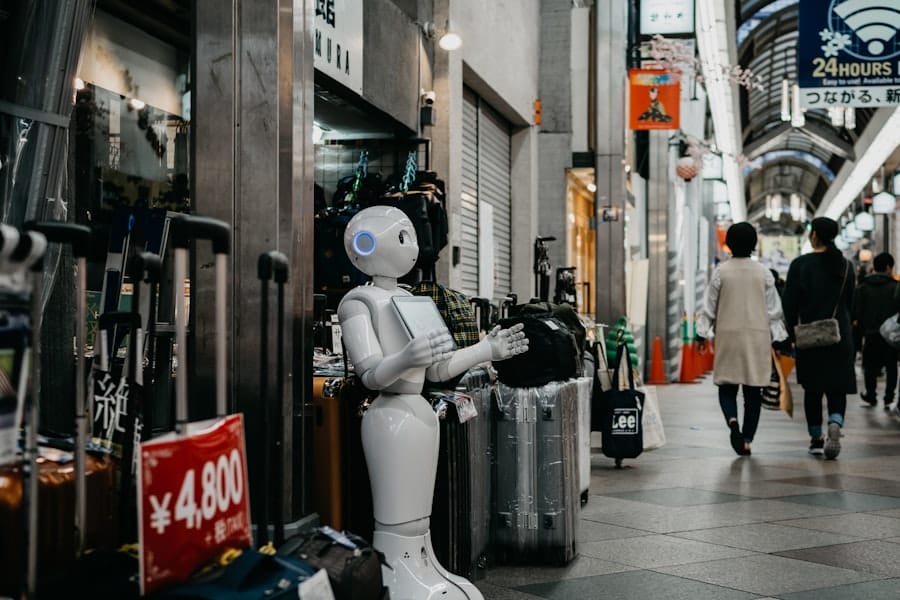
The future of writing with OpenAI looks promising, but it is not without limits.
Writers can leverage OpenAI to generate ideas, structure their narratives, or even create complex characters. This could potentially lead to a surge in creativity, where writers focus more on the narrative and emotional aspects of their work, leaving the more mechanical tasks to AI. However, it is crucial to recognize that this growing reliance on AI tools raises questions about the authenticity and originality of the work produced.
If a writer uses OpenAI to generate a large portion of their content, to what extent can this work be considered truly their own? Furthermore, there is a risk that the standardization of writing styles will lead to a homogenization of content, where the unique voices of writers could be lost in the mass.
The ethical implications of using OpenAI for writing
| Aspects | Implications |
|---|---|
| Responsibility | The use of OpenAI raises questions about liability in the event of inappropriate or harmful use of the generated texts. |
| Confidentiality | Sensitive or confidential information could be accidentally disclosed through the generated texts, which poses confidentiality challenges. |
| Authenticity | OpenAI's ability to generate convincing texts raises concerns about the veracity and authenticity of the information produced. |
| Handling | The generated texts could be used for manipulation, disinformation or propaganda purposes, which raises ethical concerns. |
The use of OpenAI for writing raises important ethical questions that deserve in-depth examination. First, there is the issue of plagiarism and intellectual property. If a writer uses text generated by OpenAI without proper attribution, this could be considered plagiarism.
The lines between inspiration and copying become blurred when AI tools are used to create content. Furthermore, there are concerns about misinformation. OpenAI models can produce persuasive texts that are not necessarily based on verifiable facts.
This poses a potential risk of spreading false or misleading information, especially in a world where disinformation spreads rapidly on social media . Users must therefore exercise discernment and be aware of the ethical implications of using these technologies.
The impact of OpenAI on the publishing and writing industries
The impact of OpenAI on the publishing and writing industries is already tangible. Publishing houses are beginning to explore how to integrate these tools into their creative processes. For example, some publishers are using OpenAI to generate book summaries or to suggest catchy title ideas.
This not only speeds up the editorial process but also improves the quality of content offered to readers. However, this development also poses challenges for industry professionals. Writers could find themselves competing with machines capable of producing content quickly and efficiently.
This could lead to increased pressure on human writers to distinguish themselves through their creativity and originality. Ultimately, industries must find a balance between using these technologies and preserving the human talent that makes writing so rich.
Adapting human writing to the rise of OpenAI
As OpenAI continues to advance, writers must adapt to this new reality. This means not only learning to use these tools to improve their own work, but also rethinking their creative approach. Writers can leverage OpenAI to explore new genres or styles they might not have previously considered.
For example, a novelist could use OpenAI to generate realistic dialogue between their characters or to create complex plots. Furthermore, this adaptation also requires critical reflection on the writer's role in the creative process. Writers must focus on what makes them unique: their personal voice, their lived experiences, and their ability to connect with human emotions.
By integrating OpenAI as a creative partner rather than a substitute, writers can enrich their work while preserving their artistic identity.
The challenges and opportunities for writers and creators with the advent of OpenAI
The rise of OpenAI presents both challenges and opportunities for writers and creators. On the one hand, the ease with which content can be generated could lead to market saturation, making it harder for individual voices to be heard. Writers must therefore redouble their efforts to stand out in a landscape where content is mass-produced.
On the other hand, OpenAI offers creators an unprecedented opportunity to explore their creativity without limits. AI tools can serve as a springboard for literary experimentation, allowing writers to explore bold ideas they might not otherwise have dared to pursue. Ultimately, those who can leverage OpenAI's capabilities while preserving their authenticity will be the ones who succeed in this new environment.
Conclusion: Prospects for the future of writing with OpenAI
In conclusion, the future of writing with OpenAI is full of promise and challenges. As this technology continues to evolve and influence how we write, it is essential that we consider the ethical and creative implications it raises. Writers must adapt to this new reality while preserving their unique voice and their ability to connect with readers.
Integrating OpenAI into the creative process could well be the catalyst the literary world needs to enter a new era of innovation and artistic expression. Ultimately, it is our collective responsibility—as writers, readers, and users—to shape this future so that it benefits everyone.