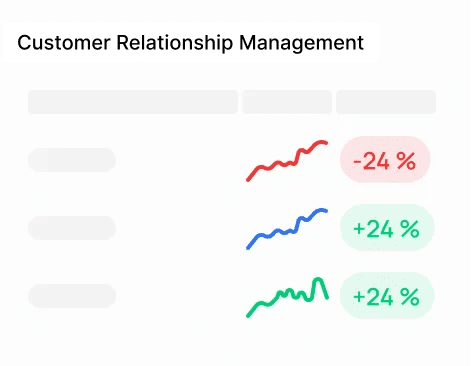
In today's digital world, choosing the right technological tools is crucial to ensuring the competitiveness and growth of your digital business.
Technologies like artificial intelligence and cloud computing have transformed the business landscape. They offer opportunities to optimize internal processes and improve productivity. In fact, a recent study shows that companies investing in the digital well-being of their employees see a 25% increase in productivity.
To succeed, you must select tools that precisely meet the specific needs of your business.
Identify the company's specific needs

To choose the right technological tools, you must first identify your company's specific needs. This step is crucial to ensure that the chosen solutions effectively meet your objectives and constraints.
Analyze business objectives
Start by analyzing your business objectives. What do you hope to achieve by integrating new technologies? Perhaps you're looking to improve operational efficiency, increase sales, or enhance customer satisfaction. Each objective requires specific tools. For example, to improve customer relationships, a high-performing CRM is essential. By clearly defining your objectives, you can better guide your choice of tools.
Assess the size and structure of the company
Next, assess the size and structure of your business. The needs of a small business differ from those of a large organization. An SME might benefit from simple and cost-effective tools, while a large company will require more robust and integrated solutions. Consider your company's structure. An organization with multiple departments might need collaborative tools to facilitate communication and coordination.
Consider the budgetary constraints
Finally, consider your budget constraints. The budget allocated to technology must align with your objectives and the size of your business. It's important not to underestimate indirect costs, such as employee training and technical support. A wise investment in technology can offer a significant return on investment. However, it's essential to choose tools that offer the best value for money.
“ Digital transformation doesn't rest solely on the shoulders of business leaders. Leaders need the support of their employees, external technical expertise, and the backing of their peers.” This quote underscores the importance of a collaborative approach when choosing technological tools.
Evaluate the available options
When choosing the right technology tools for your digital business, it's essential to evaluate the different options available. This evaluation will allow you to select the solutions that best meet your specific needs.
Freeware vs. Licensed Software
You can choose between freeware and licensed software. Freeware is often free and offers considerable flexibility. It allows for customization to suit your needs but sometimes requires more effort for installation and maintenance. On the other hand, licensed software generally offers a more sophisticated product with professional support. However, it can be expensive and less flexible. For a company looking to minimize costs while maintaining some autonomy, freeware can be a good option. If you prioritize security and support, licensed software might be a better fit.
SaaS Subscriptions
Software as a Service (SaaS) subscriptions are another attractive option. These solutions are ready to use and require no complex installation. You can access these tools via the cloud, making them easy to use and update. SaaS platforms are ideal for businesses that want a fast and efficient solution without the hassle of technical maintenance. However, it's important to consider the recurring costs associated with SaaS subscriptions, which can accumulate over time.
Open source solutions
Open-source solutions offer complete customization and an active community of contributors. They are often free or inexpensive , making them attractive to businesses with limited budgets. You can adapt these tools to your specific needs, but this requires technical skills for installation and management. Open-source solutions are ideal for businesses that want total control over their technology tools and have the resources to manage them.
By evaluating these options, you can choose the right technological tools that align with your goals and budget. Each option has advantages and disadvantages, and it's crucial to consider them carefully to make an informed decision.
Selection criteria for technological tools

To choose the right technological tools, it is essential to consider several criteria. These criteria will help you select solutions that integrate seamlessly with your business and meet your specific needs.
Compatibility with existing systems
Compatibility is a fundamental criterion. You must ensure that new tools integrate seamlessly with your existing systems. This prevents operational problems and guarantees a smooth transition. For example, if you already use a CRM, verify that the new tool can synchronize with it. Good compatibility reduces training and implementation costs. It also improves operational efficiency.
Data security
Data security is crucial when choosing technology tools. You must protect your company's and your customers' sensitive information. Ensure that the tools you choose comply with current security standards. They should offer features such as data encryption and two-factor authentication. Strong data security builds customer trust and protects your business against cyberattacks.
Technical support and customer service
Good technical support is essential. You need to be able to rely on fast and efficient assistance should you encounter a problem. Check that the provider offers quality customer service, available 24/7 if possible. Good technical support helps you resolve issues quickly, minimizing service interruptions. It also ensures that you get the most out of your technology.
Gartner , a technology expert, emphasizes: “Companies must choose tools based on their objectives.” This means that each criterion must be aligned with your business objectives to maximize the effectiveness of the chosen tools.
By taking these criteria into account, you can choose the right technological tools that will support the growth and competitiveness of your business.
Advantages and disadvantages of the different solutions
SaaS vs open source
When choosing the right technology tools, understanding the differences between SaaS and open-source solutions is essential. SaaS (Software as a Service) solutions allow you to access software via the cloud. You don't need to install or maintain the software on your own servers. This reduces upfront costs and simplifies management. However, you need a fast internet connection to ensure optimal performance.
On the other hand, open-source solutions offer great flexibility . You can customize the software to meet your specific needs . This requires technical skills for installation and maintenance. Open-source software relies on community collaboration, which can be an advantage if you have the resources to manage these tools.
Flexibility and scalability
Flexibility and scalability are important criteria to consider. SaaS solutions are often more scalable. You can easily adjust your subscription as your business grows, allowing you to respond quickly to changing needs. Open-source solutions, while flexible, may require more effort to scale. You often need to invest in additional resources to adapt the software to your new requirements.
Total cost of ownership
Total cost of ownership (TCO) is a crucial factor in choosing technology tools. SaaS solutions may seem expensive in the long run due to recurring subscription fees. However, they eliminate infrastructure and maintenance costs. Open-source solutions, while often free, can have hidden costs. You must consider expenses related to customization, training, and technical support.
By weighing these advantages and disadvantages, you can choose the right technological tools that align with your goals and resources. Each solution has unique features that can meet your specific needs.
Practical recommendations for choosing the right technological tools

Selection and evaluation process
To choose the right technology tools, start by establishing a rigorous selection process. First, identify your company's specific needs. Then, conduct an internal audit to assess your current tools and identify any gaps. This will help you better understand the features needed to achieve your goals. Once this step is complete, create a list of potential tools and compare them based on criteria such as compatibility, security, and total cost of ownership.
Survey Results:
- 70% of employees want to continue working remotely, which underlines the importance of choosing tools that facilitate teleworking.
The importance of free trials and demonstrations
Free trials and demonstrations play a crucial role in the selection process. They allow you to test tools in a real-world environment and assess their suitability for your needs. Take advantage of these opportunities to involve your teams and gather their feedback. This will help you identify potential usability issues and choose solutions that will be easily adopted by your employees.
“Job satisfaction measurement tools allow companies to understand the mindset of their employees and improve overall productivity.” This quote highlights the importance of choosing tools that promote employee well-being.
Involve stakeholders in the choice
Involving stakeholders in the selection process is essential to ensuring buy-in and acceptance of new tools. Organize meetings with different departments to discuss needs and expectations. This will allow you to gather valuable information and ensure that the chosen tools meet everyone's requirements. A collaborative approach facilitates the transition and maximizes the effectiveness of the technological tools.
Survey Results:
- 64% of employees say their company aims to optimize internal processes through AI, highlighting the importance of involving employees in the choice of tools.
By following these recommendations, you will be better prepared to choose the right technological tools that will support the growth and competitiveness of your business.
Magileads as a technological prospecting tool
Presentation of Magileads
Magileads presents itself as an innovative solution for automating your prospecting processes. As the first French omnichannel SaaS platform , it integrates all the data and tools necessary to conduct effective campaigns. This allows you to generate engagement with your prospects, customers, and partners. Magileads enables you to easily manage the complex aspects of your marketing strategies, while offering an intuitive and user-friendly interface.
↗️ Discover in video how Magileads can take your agency to the next level:
Advantages of Magileads for prospecting
Using Magileads for your prospecting campaigns offers several advantages :
- Automation of prospecting sequences : You can automate your campaigns, which allows you to save time and improve the efficiency of your marketing actions.
- Detailed statistics : Magileads provides in-depth analyses of your campaign performance. This allows you to adjust your strategies based on the results obtained.
- Prospect Relationship Management (PRM) : This tool helps you to effectively manage your contacts and maintain a quality relationship with your prospects.
- Team collaboration : Magileads facilitates teamwork, allowing your employees to follow and contribute to ongoing campaigns.
Synchronizing Magileads with other tools
Magileads offers seamless integration with other tools and platforms, making it an ideal choice for businesses looking to optimize their technology ecosystem. You can sync Magileads with your existing tools for centralized campaign management. This compatibility allows you to leverage Magileads' features while keeping your current systems. Automation for LinkedIn, for example, is a key feature that helps you maximize your social media reach.
By integrating Magileads into your prospecting strategy, you benefit from a powerful tool that simplifies and optimizes your marketing efforts. This allows you to focus on what matters most: growing your business and building customer loyalty.
To choose the right technology tools, you need to follow a structured process. Identify your specific needs and evaluate the available options. Customizing the tools is crucial. It allows you to adapt solutions to your company's unique requirements, thus improving operational efficiency . Stay informed about new technologies and trends. This will help you keep your business competitive and innovative. By integrating these practices, you will optimize your technology choices and foster the growth of your digital business.
—————————
Magileads is prospecting automation software that allows you to easily manage all the complex aspects of your marketing processes.
Test Magileads for free in 14 days. Click here .
Or book a demo to see how it works. Click here .