Digital prospecting: Opt for omnichannel
Today's customers are far more aware of products, brands, and prices than ever before. A typical characteristic of today's shopper is the presence of a smartphone, which allows them to gather information on products and prices. This enables them to shop in a single store and check out without waiting in line.
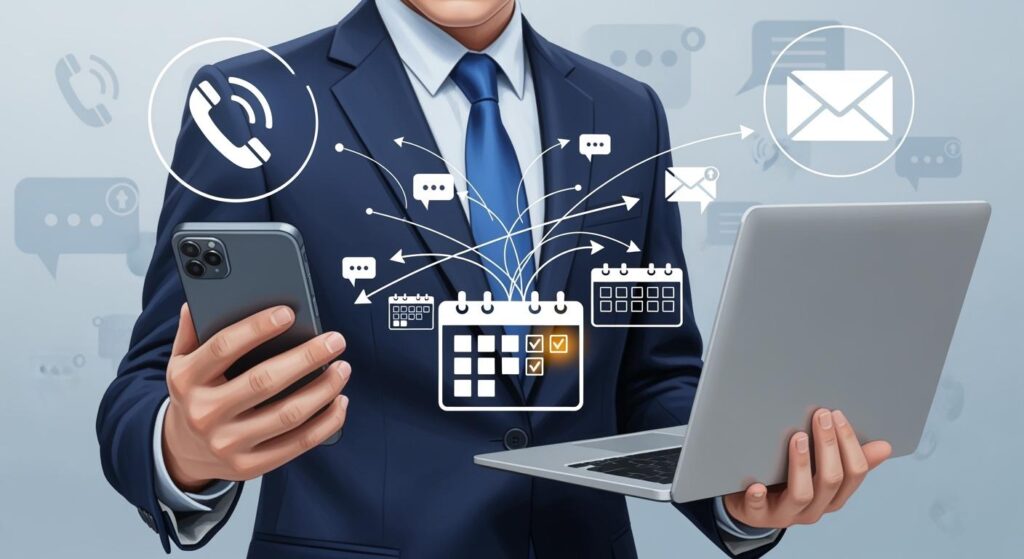
To serve such a complex customer base, an omnichannel marketing marketing to view and sell products, generate automated catalogs, launch email campaigns, and track sales performance.
What does the term “omnichannel” mean?
If we break down the term omnichannel , we have on the one hand the prefix “omni,” which in Latin means all and whole, and on the other hand “canal,” which is a French word used to replace the original English term, “channel.” That is to say, the closest meaning would be something along the lines of all channels.
However, this is not enough to understand the power and scope of this term. When we limit ourselves to the semantics of the word, we can confuse omnichannel with multichannel and/or cross-channel – other terms that are also widely used.
All of these terms refer to the user's experience with the channels offered by the brands, which is why they can give the false impression of having the same meaning. To avoid this, we have separated each of the terms below with their respective definitions and examples:
Opt for Multichannel
When we talk about multichannel, the prefix “multi” refers to several. An example of a multichannel strategy is when a company offers multiple purchasing channels, such as a website, an app, and physical stores.
However, they are not connected. Salespeople working in the physical store are unaware of purchases made through the app and/or website, and vice versa. There is competition between the sales channels and no exchange of information between them.
Cross-channel
The prefix "cross" in French means "to cross".
In a cross-channel strategy, a brand's channels can be combined in the following way: the purchase can be made online on the company's website and the collection of the purchased product can be made in the physical store.
Thus, there is no competition between the channels, as long as they complement each other.
Opt for omnichannel
As we mentioned at the beginning of the article, the prefix "omni" refers to everyone. In this case, all of a company's channels are connected. You can even use the brand's app while inside the physical store to check if the specific product you want is available.
If you find it through the search results, you can order it from one of the sales associates in the physical store and choose to have it delivered to your home. In this way, opting for an omnichannel approach helps each other offer a better shopping experience and further strengthens online and offline relationships.
In addition, the information gathered on consumer movements across all channels helps to make your sales funnel more efficient.
Why is there so much talk about opting for omnichannel?
Transforming consumption into a unique and increasingly convenient experience is a challenge that many companies are trying to meet. Indeed, consumers are becoming more demanding and want greater comfort.
Offering online channels for shopping and customer service is no longer a novelty, but a requirement for brands that want to survive in such a competitive market.
As we have seen, opting for omnichannel offers a new and more complete shopping experience to the user, and that is why this term has been used so much lately.
Although practiced by some brands, this strategy is still relatively recent and can be the differentiator your company needs to stand out from the competition.
The advantages of an omnichannel strategy
Investing in a better customer experience will bring you various benefits; ultimately, all this work aims to leave them more satisfied. By keeping them happy, your business has a better chance of improving
- the services offered;
- sales ;
- the loyalty process;
- and your brand image.
This strategy will allow you to develop all customer touchpoints to optimize your processes. This will represent a valuable gain for your business, enabling it to grow through the analysis of relevant metrics.
How to transform your business to embrace omnichannel?
Now that you know more about the omnichannel strategy and its advantages, let's learn how to apply it in your business. As we mentioned in this article, the goal is to improve customer . And to meet this challenge, the first step is to understand your business's buyer.
Once created, it will be possible to access a wealth of information, including their purchasing habits. This knowledge will allow your company to better understand these customers' needs and offer them something truly valuable and relevant.
After creating your persona , you can move on to the next step: integrating your company's channels. Once the channels are defined, you will need to customize based on the information obtained from building your customer profile.
This integration involves aligning online media with offline media so that there are no gaps for the user and, of course, aligning your business areas (sales, marketing, support, etc.).
After that, it's time to test everything that has already been done. In addition to verifying functionality, the quality of the integration and the processes will also need to be assessed.
To do this, ask for help from people who have a profile similar to that of your buyer – after all actions have been focused on this profile – to test the implementations.
By following these steps, you will reduce the risks and potential failures of your omnibus strategy and you will also know if changes or adjustments are needed before launching it on the market.
What are the main challenges of opting for omnichannel?
In the previous article, we discussed how to implement an omnichannel strategy in your business, and we now want to emphasize that it's not so easy. Integrating channels and delivering an excellent customer experience is a significant challenge.
In addition to relying on technology for this integration, it also requires in-depth knowledge of the company and careful monitoring of all sectors.
Added to this challenge is that of customer satisfaction, a sensitive issue that involves the customer's expectations and opinion of your company.
We've reached the end of this post and hope you've learned enough about the omnichannel strategy to implement it in your business. Among the key takeaways, we've seen that adopting an omnichannel is challenging, but if done well, it can deliver incredible results for your company and give you that coveted competitive edge in the market.
To help you launch this strategy, you can contact marketing and sales teams
🗣 User testimonials: Opting for omnichannel
1. Lisa D., B2B Marketing Director in tech
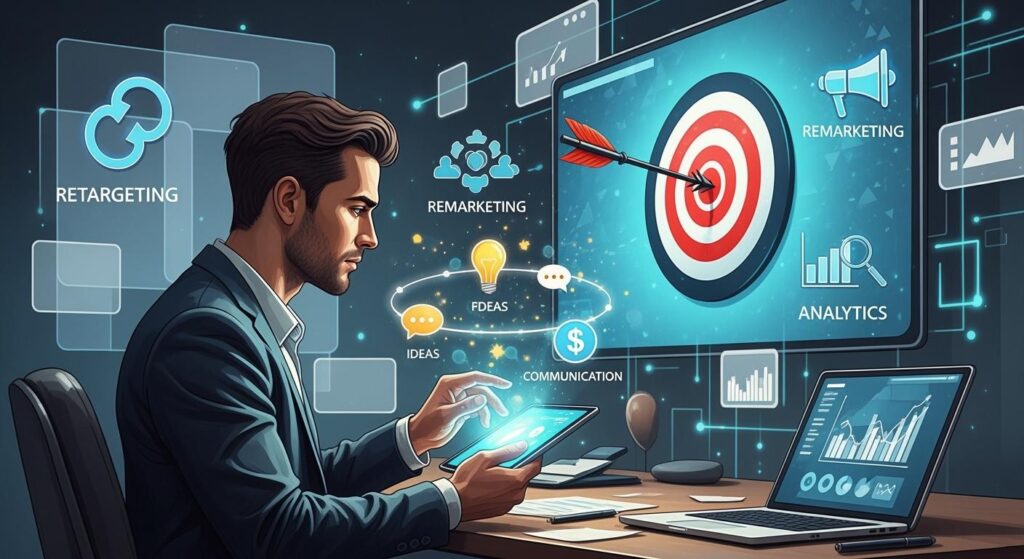
“Switching to omnichannel prospecting was a turning point. By combining email, LinkedIn, and retargeting, our response rate tripled in three months. Each channel amplifies the previous one; it’s a real leverage effect.”
2. Kevin M., Growth marketer in SaaS startup
"The multichannel approach allows us to adapt to the prospect's behavior. Some respond to emails, others to LinkedIn messages, and only a few after seeing a targeted ad."
3. Sarah T., Salesperson in new real estate
“Before, I limited myself to phone calls. Today, I contact my leads via LinkedIn, SMS and email. Opting for omnichannel means results: I sign twice as many mandates, with fewer follow-ups.”
4. Thomas R., Independent Consultant
"By automating my omnichannel sequences with Magileads, I've saved a ton of time. I reach my prospects at the right time, on the right channel, without being intrusive."
🎓 Expert feedback and quotes, and opting for omnichannel
Nicolas Bordas – Vice President of TBWA/Europe
"Omnichannel is the natural response to a fragmented customer journey. To thrive, a brand must be seamless, consistent, and present wherever the customer wants to interact."
Emilie Roux, B2B Digital Strategy Consultant
"The omnichannel approach doesn't mean doing everything at once, but doing everything in a coordinated way. It's the synergy between channels that maximizes conversion."
HubSpot Report 2023
"Companies that use at least three prospecting channels generate 287% more qualified appointments than those that use only one."
Olivier Andrieu, Digital Marketing Expert (Abondance)
"Digital technology has broken down silos. A prospect can come in through SEO, engage via email, and then convert through a LinkedIn interaction. The challenge is no longer choosing a channel, but orchestrating them intelligently."