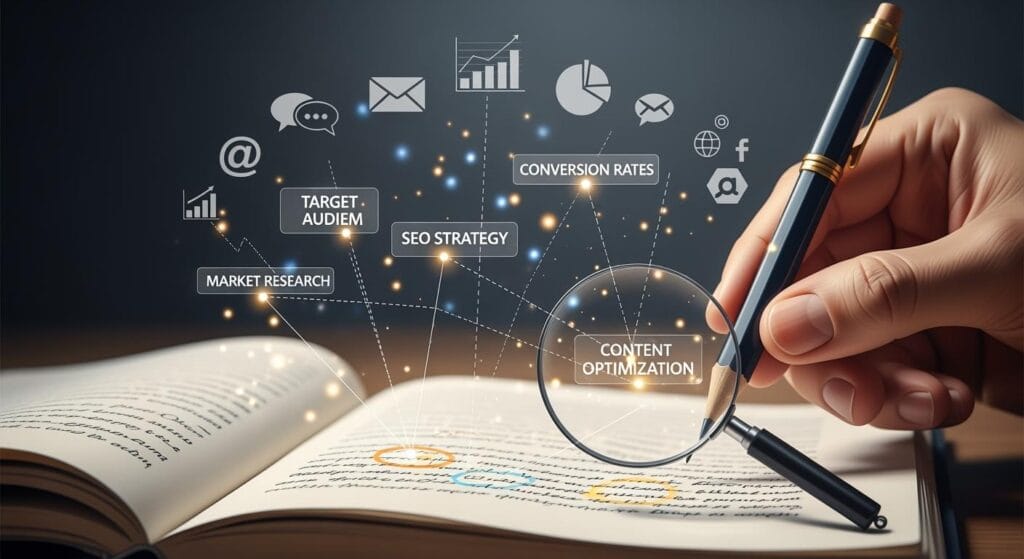
Customer data analysis has become a fundamental pillar for companies seeking to stand out in an increasingly competitive market. Indeed, the ability to understand and interpret data relating to customer behavior and preferences not only improves products and services, but also strengthening customer relations. In a world where each interaction can generate a multitude of information, it is crucial for companies to know how to use this data to draw precious insights.
Companies that invest in customer can not only anticipate the needs of their customers, but also adapt their marketing strategies accordingly. This allows them to create personalized experiences that meet the specific expectations of each customer segment. customer data analysis is a powerful tool which, when used correctly, can transform the way in which a company interacts with its customers. Here is a link to our page on multi -channel campaigns .
Summary
- Customer data analysis allows you to better understand the behavior and needs of customers
- Customer data collection is essential for in -depth and relevant analysis
- Data analysis allows you to segment customers according to different criteria
- Personalization of the marketing strategy is made possible thanks to customer data analysis
- Providing purchase trends and behavior is facilitated by customer data analysis
Customer data collection for in -depth analysis
Data sources
For example, satisfaction surveys, registration forms and even comments left on notice platforms are all means to accumulate relevant information.
The importance of transparency
However, it is essential that this collection is carried out in an ethical and transparent manner. Customers must be informed of how their data will be used and give their consent.
Data quality
In addition, the quality of the data collected is essential. Inaccurate or incomplete data can lead to incorrect analyzes and poorly oriented strategic decisions. Thus, investing in robust and reliable data collection tools is essential to guarantee in -depth analysis.
Use of data analysis to segment customers
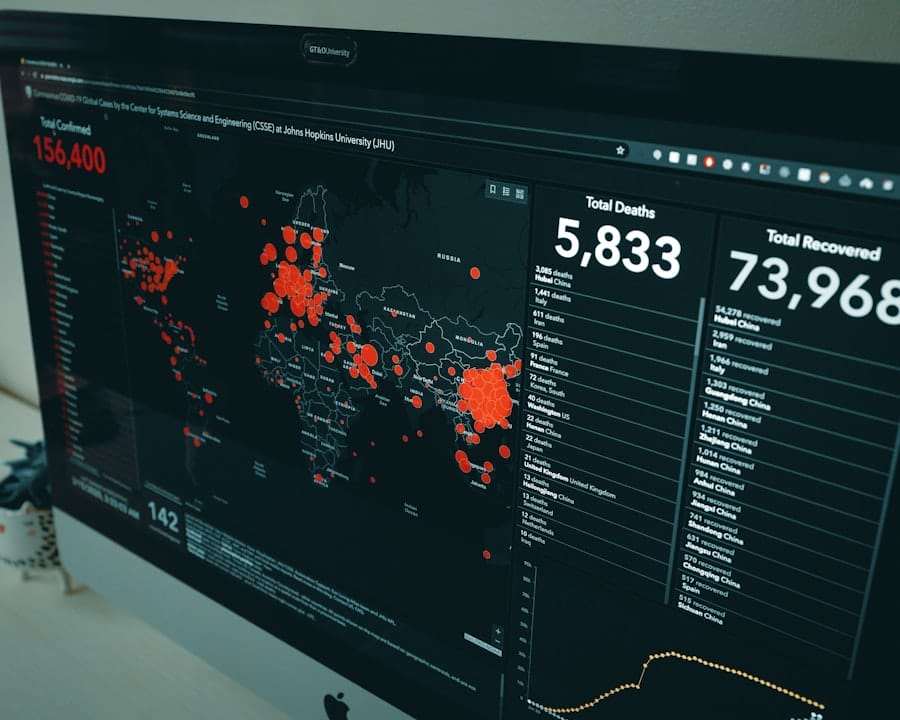
Once the data is collected, the next step is customer segmentation. Segmentation allows businesses to divide their customer base into homogeneous groups based on various criteria such as purchasing behavior, preferences, and demographic characteristics. This targeted approach allows them to tailor marketing messages and optimize advertising campaigns.
For example, a cosmetics company could segment its customers according to skin types or preferences in terms of natural products. By using advanced analysis tools, such as those offered by experts such as Neil Patel or Avinash Kaushik, companies can identify specific segments and develop tailor -made marketing strategies that resonate with each group. This leads not only to an increase in sales, but also to a significant improvement in customer satisfaction.
Personalization of the marketing strategy thanks to customer data analysis
| Metrics | Data |
|---|---|
| Conversion rate | Customer purchase preference data |
| Engagement rate | Data on customer interaction with personalized content |
| Revenue generated | Purchasing data made following a personalized recommendation |
| Retention rate | Data on customer loyalty following a personalized experience |
Personalization is at the heart of modern marketing strategies, and customer data analysis plays a central role in this process. By understanding customer behavior and preferences, companies can create marketing campaigns that speak directly to their targets. For example, a streaming platform can recommend films or series based on a user's viewing history, thus increasing commitment and loyalty.
In addition, personalization is not limited to product recommendations.
According to a study by Epsilon, 80 % of consumers are more likely to make a purchase when brands offer a personalized experience.
This demonstrates the crucial importance of a marketing strategy based on the in -depth analysis of customer data.
Provision of purchase trends and behavior using customer data analysis
One of the major advantages of customer data analysis is its ability to provide for future purchase trends and behavior. Thanks to advanced techniques such as automatic learning and artificial intelligence, companies can analyze massive volumes of data to identify recurring models. For example, a company can detect that a certain product is experiencing an increase in popularity for a specific period, which allows it to adjust its stocks accordingly.
Experts like Bernard Marr point out that data-driven forecasting can also help anticipate changes in consumer behavior, allowing businesses to be proactive rather than reactive. By incorporating these forecasts into their business strategy, companies can not only maximize sales but also minimize the risk of unsold items or stockouts.
Measurement of the efficiency of marketing campaigns thanks to customer data analysis
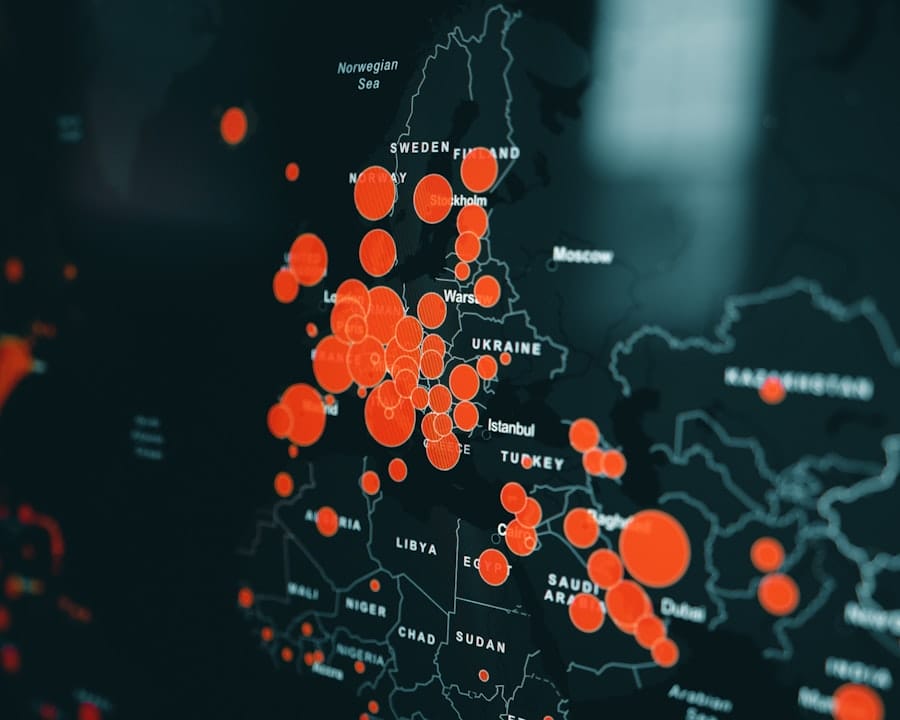
For a company to assess the success of its marketing campaigns, it must rely on measurable key performance indicators Customer data analysis not only makes it possible to follow these KPIs, but also to analyze in depth the real impact of the actions carried out. For example, using tools like Google Analytics or HubSpot, a company can measure the rate of opening emails, the conversion on its website or the return on investment (King) of an advertising campaign.
This analysis also makes it possible to identify what works and what does not work. By continuously adjusting its strategies according to the results obtained, a company can optimize its marketing efforts and maximize its efficiency. Studies show that companies that regularly measure the effectiveness of their campaigns are 12 times more likely to achieve their commercial objectives.
Use of customer data analysis for optimizing the customer journey
Optimizing the customer journey is essential to guarantee a fluid and pleasant user experience. Customer data analysis allows companies to identify the friction points in the purchasing course and to provide the necessary improvements. For example, if an analysis reveals that customers abandon their basket at a certain stage of the purchasing process, this may indicate a problem with the payment process or a lack of product information.
Using these insights, companies can make targeted changes to improve the customer journey. This may include simplification of the purchasing process, improving customer service or even implementing a feedback system to collect customer reviews after their purchasing experience. In the end, an optimized customer experience leads to a significant increase in the loyalty rate and a better reputation of a brand.
Improvement of customer loyalty through data analysis
Customer loyalty is a major issue for any company wishing to ensure its sustainability. Customer data analysis plays a key role in this approach by allowing companies to identify the factors that influence customer loyalty. For example, by analyzing recurring purchasing behavior and identifying customers at risk of abandonment, a company can set up targeted actions to strengthen the relationship with these customers.
Personalized loyalty programs based on purchasing history can also be developed through data analysis. According to a study by Bain & Company, increasing customer loyalty can lead to a significant increase in turnover. By investing in data analysis to better understand their customers, companies can not only improve their loyalty rate, but also transform their customers into brand ambassadors.
Integration of customer data analysis in an omnicanal approach
In a world where consumers interact with brands on several channels, it is essential for companies to adopt an omnichannel approach. The integration of customer data analysis into this strategy allows companies to have an overview of customer behavior on all contact points.
For example, a customer who starts his journey on a website can be followed when he goes to physical stores thanks to the use of technologies such as geofencing or monitoring by Bluetooth. This integrated approach not only improves the customer experience, but also optimizing marketing efforts by ensuring that each channel effectively supports others.
The essential tools and technologies for effective customer data analysis
To take full advantage of customer data analysis, it is crucial that companies have good tools and technologies. Platforms like Salesforce, Tableau or Microsoft Power Bi offer robust solutions to collect, analyze and view customer data. These tools allow marketing and commercial teams to easily access the information necessary to make informed decisions.
In addition, the use of artificial intelligence and automatic learning tools can considerably improve the accuracy and speed of analyzes. Experts like Thomas H. Davenport underline that these technologies allow not only to automate certain analytical tasks, but also to extract deeper insights from the data collected.
Conclusion: the advantages of an optimized marketing strategy thanks to customer data analysis
In conclusion, it is undeniable that customer data analysis offers a significant competitive advantage to companies that choose to make it a central pillar of their marketing strategy. From the initial collection of data to their use to personalize the customer experience and optimize the user route, each step is essential to build a solid relationship with customers. Companies that invest in this analysis are not only content to improve their commercial performance; They also create an environment where each interaction with the customer is valued and optimized.
In the end, this results in increased loyalty and a reinforced reputation on the market. In a world where the consumer is king, understanding their needs through data analysis becomes not only an asset but an essential strategic necessity.
Understanding how to effectively generate leads is essential to analyzing customer data. A helpful article on this topic is “The Lead Workshop: Lead Generation” available on Magileads . This article offers practical tips for optimizing lead generation and maximizing the conversion of prospects into customers. By better understanding the lead generation process, it is possible to obtain more relevant and actionable customer data to improve your marketing strategy.
FAQ on customer data analysis
What is customer data analysis?
Customer data analysis is the process of examining and interpreting data related to a company customers. This includes demographic data, purchasing behavior, preferences and any other relevant information to better understand customers and improve marketing and sales strategies.
What are the advantages of customer data analysis?
Customer data analysis allows companies to better target their customers, personalize their offers, improve loyalty and make more informed decisions based on concrete data.
What types of data are analyzed in customer data analysis?
Companies generally analyze demographic data, purchasing history, interactions with the brand, online behavior data, customer feedback and other relevant information to better understand customer needs and preferences.
How do companies use the results of customer data analysis?
marketing offers and , improve customer experience, develop new products or services, and optimize pricing and distribution strategies.
What are the technologies used for customer data analysis?
Companies often use customer relations management software (CRM), data analysis tools, marketing automation platforms and business intelligence solutions to collect, analyze and interpret customer data.