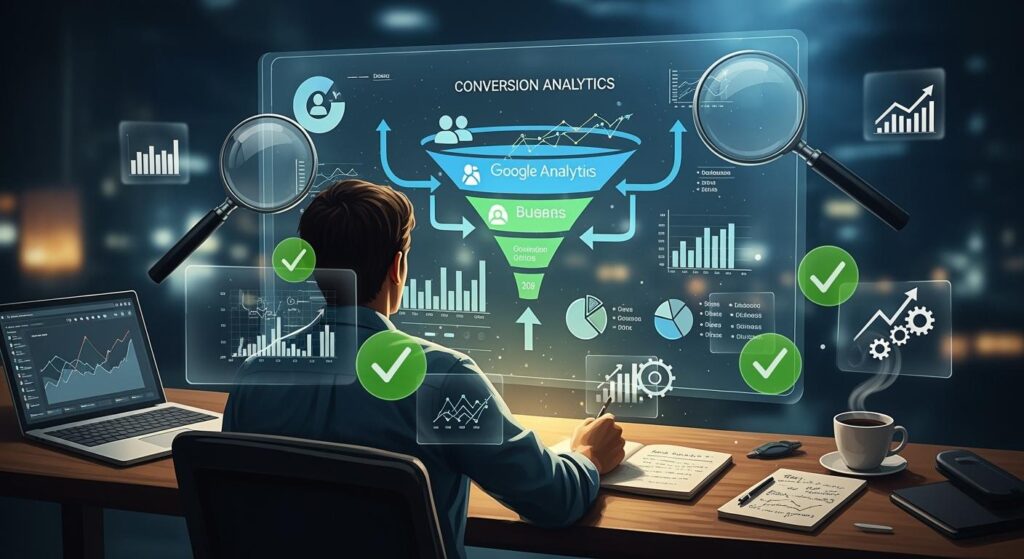
Lead generation and qualified prospect acquisition is a widespread marketing strategy aimed at obtaining information about potential customers. This data typically includes contact information, demographic details, and online behavior. Businesses purchase these leads to build a database of prospects to contact with sales offers.
The quality of leads varies considerably. Highly qualified leads demonstrate strong interest and a high probability of purchase. Therefore, carefully selecting lead sources is crucial to maximizing return on investment.
Adherence to data protection is paramount when purchasing and using leads. Businesses must ensure that data has been collected lawfully and that its use complies with applicable laws, such as the General Data Protection (GDPR) in Europe. Buying leads can be effective, but it also carries risks.
Companies must assess the quality of leads, verify their origin, and ensure their legal compliance. A balanced approach, combining lead buying with other lead generation methods, is often recommended for an optimal marketing strategy.
Summary
- Purchasing qualified is an effective strategy for generating business opportunities.
- Choosing the right lead and prospect provider is crucial to obtaining quality contacts.
- Evaluating the quality of purchased leads and prospects helps maximize the chances of conversion.
- Implementing an effective conversion strategy is essential to turning leads into customers.
- Tracking and analyzing the performance of leads and prospects allows for real-time adjustment of the marketing strategy
Choosing the right lead and prospect provider
Supplier reputation assessment
It is recommended to check the supplier's reputation by consulting customer reviews, requesting references, or researching information on its longevity in the market.
Regulations concerning the protection of personal data
It is also important to ensure that the supplier complies with regulations regarding the protection of personal data, in order to avoid any legal risk related to the purchase of leads and prospects.
Quality of leads and prospects
Finally, it is advisable to favour suppliers who offer qualified, targeted and regularly updated leads and prospects, to maximize the chances of conversion.
Evaluate the quality of purchased leads and prospects

Once leads and prospects have been purchased, it is essential to assess their quality to maximize the chances of conversion. Lead and prospect quality can be measured using various criteria such as the level of interest shown, relevance to the sales offer, reliability of the information provided, and so on. It is recommended to establish a lead and prospect qualification process to classify them according to their level of interest and likelihood of purchase.
This will allow conversion efforts to be focused on the most qualified leads and prospects, optimizing return on investment. Furthermore, it is important to regularly monitor the quality of purchased leads and prospects by implementing performance indicators and adjusting the purchasing strategy accordingly.
Implementing an effective conversion strategy
| Metrics | Data |
|---|---|
| Current conversion rate | 15% |
| Number of unique visitors | 5000 per month |
| Bounce rate | 30% |
| Number of leads generated | 200 per month |
| Number of sales made | 50 per month |
Once qualified leads and prospects have been identified, it's essential to implement an effective conversion strategy to transform them into customers. This strategy can include targeted marketing emails, personalized advertising campaigns, marketing automation, and more. Adopting a personalized approach to your conversion strategy is crucial, taking into account the specific characteristics and needs of each lead or prospect.
It is also recommended to offer high-value content to generate interest and engagement from prospects. Finally, it is important to implement rigorous tracking of conversion efforts, measuring conversion rates at each stage of the process, in order to identify areas for improvement.
Track and analyze the performance of leads and prospects
Once the conversion strategy is in place, it's essential to track and analyze lead and prospect performance to optimize results. This involves implementing tracking tools such as analytical dashboards, performance reports, key performance indicators (KPIs), and more. It's recommended to analyze lead and prospect performance using various metrics such as email open rates, click-through rates, conversion rates, average order value, and so on.
This analysis will help identify the strengths and weaknesses of the conversion strategy, allowing for relevant adjustments. It is also important to conduct a comparative analysis between different lead and prospect segments to better understand their behavior and adapt the strategy accordingly.
Integrating lead and prospect buying into a comprehensive marketing strategy

Purchasing leads and prospects must be integrated into a comprehensive marketing strategy to maximize its effectiveness. It is essential to align lead and prospect buying with other marketing activities, such as advertising campaigns, SEO, social media, and so on. Adopting an omnichannel approach to your marketing strategy is recommended, combining different communication channels to reach leads and prospects at various key moments in the buyer's journey.
It is also important to integrate the purchase of leads and prospects into a customer loyalty strategy, by implementing specific actions to maintain the relationship with customers acquired through the purchase of leads and prospects.
Measuring the return on investment of purchasing leads and prospects
Finally, it is essential to measure the return on investment (ROI) of lead and prospect acquisition to assess the profitability of this practice. ROI can be measured through various indicators such as customer acquisition cost (CAC), customer lifetime value (LTV), conversion rate, etc. It is recommended to regularly monitor ROI using dedicated dashboards to evaluate the profitability of implemented actions.
This analysis will identify areas for improvement to optimize the ROI of lead and prospect purchases. It is also important to evaluate the medium- and long-term ROI, taking into account customer loyalty and the added value generated by customers acquired through lead and prospect purchases.
If you're looking to buy qualified leads and prospects, you might be interested in the article on pricing tailored to your needs on the Magileads website. This article explains how Magileads offers flexible and customizable pricing to meet the specific needs of each business. This can be helpful for those looking to buy leads efficiently and cost-effectively. You can learn more about this offer by visiting this link.
FAQs
What is a qualified lead?
A qualified lead is an individual or company that has shown interest in a company's products or services and has been assessed as having the potential to become a customer.
What is a qualified prospect?
A qualified prospect is a lead that has been assessed as having a genuine interest in a company's products or services and meets certain criteria defined by the company to be considered a potential prospect.
What is buying qualified leads and prospects?
Purchasing qualified leads and prospects involves acquiring information on individuals or companies that have shown interest in products or services similar to those offered by a company, and that have been assessed as having the potential to become customers.
What are the advantages of buying qualified leads and prospects?
The benefits of purchasing leads and prospects include the ability to target individuals or companies with a genuine interest in the products or services offered, increasing the chances of conversion into customers, and saving time by avoiding manual prospecting.
What are the disadvantages of buying qualified leads and prospects?
The disadvantages of purchasing qualified leads and prospects can include the high cost of acquiring this information, the risk of receiving poor-quality leads, and the potential to run into compliance issues with data protection laws.