Tu veux transformer ta stratégie marketing en 2026 ? Tout commence par une vraie compréhension de tes clients. Créer vos personas te permet d’offrir une expérience personnalisée, ce qui fidélise 60 % des consommateurs et augmente tes revenus. Les utilisateurs partagent volontiers leurs données pour plus de personnalisation, et les campagnes deviennent plus efficaces. Découvre comment façonner des profils qui boostent ton impact, grâce à des solutions concrètes et innovantes adaptées à l’ère digitale.
Points Clés pour créer vos personas
Comprendre vos clients est essentiel. Créer des personas vous aide à personnaliser l’expérience et à fidéliser vos consommateurs.
Utilisez des données réelles pour construire vos personas. Combinez méthodes qualitatives et quantitatives pour éviter les biais.
Mettez à jour vos personas régulièrement. Cela garantit leur pertinence face aux évolutions du marché et des comportements des consommateurs.
Utilisez des outils digitaux pour faciliter la création et la gestion de vos personas. Ces outils vous aident à gagner du temps et à structurer vos données.
Évitez les pièges courants lors de la création de personas. Ne généralisez pas et assurez-vous que vos profils reflètent la réalité de vos utilisateurs.
Créer vos personas : définition et enjeux
Pour améliorer la pertinence de votre marketing en 2026, l’usage de personas ne peut plus se limiter à de simples fiches descriptives. Il s’agit désormais d’outils d’autorité stratégique, basés sur des données comportementales et des cadres académiques rigoureux.
Un persona est une modélisation semi-fictive de votre client idéal, conçue pour humaniser les données. En 2026, le concept a évolué vers le “Persona Algorithmique” (ou Algorithmic Persona), une entité dynamique alimentée par l’intelligence artificielle.
1. Fondements académiques et autorité
L’utilisation des personas n’est pas une simple tendance marketing ; elle repose sur des méthodologies éprouvées :
Le cycle de vie du persona : Selon les travaux de Pruitt & Adlin dans “The Persona Lifecycle”, le persona sert de pont entre les données d’utilisabilité et les décisions de design. Leur recherche souligne que l’efficacité d’un persona dépend de sa capacité à être partagé et compris par toute l’organisation.
L’identité à l’ère de l’algorithme : Des publications récentes explorent comment l’identité numérique (Algorithmic Self) est désormais co-construite par les algorithmes de recommandation. En 2026, vos personas doivent refléter non seulement qui sont vos clients, mais aussi comment les algorithmes (TikTok, Instagram, Google) façonnent leurs désirs.
2. Études de cas : De la théorie à la pratique
Spotify & le contexte d’écoute : L’entreprise a réussi à transformer ses utilisateurs en personas dynamiques en analysant non pas “ce qu’ils sont” (données démographiques), mais “ce qu’ils font” (contexte d’écoute : sport, sommeil, travail). Cette approche a drastiquement augmenté leur taux de rétention.
Le luxe et l’exclusivité (LVMH) : Dans le secteur du luxe, les personas 2026 intègrent des critères de valeurs éthiques et de durabilité, des facteurs devenus prioritaires pour les nouvelles générations de consommateurs.
3. Les enjeux de 2026 : IA et Éthique
L’intégration de l’IA dans la création de personas apporte une puissance d’analyse inédite, mais comporte des risques méthodologiques. Une étude publiée en 2025 sur ArXiv (LLM Generated Persona) met en garde contre les biais des modèles de langage qui peuvent créer des “bulles de filtres” et déformer la réalité de votre audience.
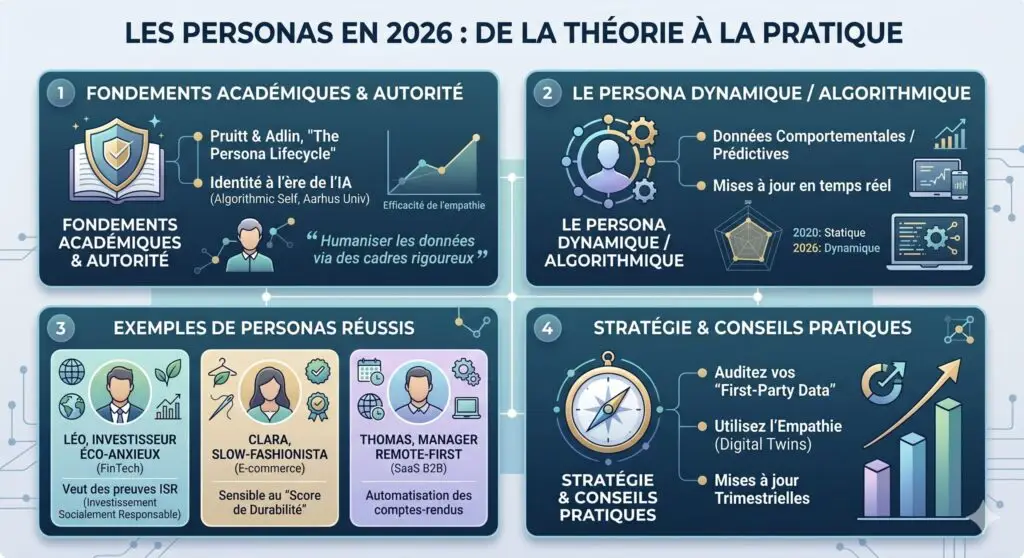
Tableau : Comparaison des approches Persona (2020 vs 2026)
Caractéristique | Persona Traditionnel (2020) | Persona Dynamique (2026) |
|---|---|---|
Source de données | Questionnaires & Intuition | |
Fréquence de mise à jour | Annuelle | Temps réel / Flux continu |
Focus | Données démographiques | Psychographie & Intentions |
Rôle de l’IA | Optionnel (Outil d’aide) | Central (Génération et test) |
Conseils pratiques pour rester pertinent
Auditez vos données : Assurez-vous de la qualité de vos “First-party data”. En 2026, la gouvernance des données est le premier avantage concurrentiel.
Intégrez l’empathie : Utilisez les personas pour tester vos campagnes via des “Digital Twins” (jumeaux numériques) avant le lancement officiel.
Mise à jour régulière : Un persona qui n’évolue pas est un risque stratégique. Prévoyez des révisions trimestrielles basées sur les tendances émergentes.
Sources de référence pour créer vos personas:
Pruitt, J., & Adlin, T. (2006/2025). The Persona Lifecycle: Keeping People in Mind Throughout Product Design.
Markham, A. N. (2013/2026). The Algorithmic Self: Identity in the 21st Century.
South Management (2026). L’intelligence artificielle dans le marketing : opportunités et limites.
Minted (2026). Marketing et IA : ce qui créera de la croissance.
Pour illustrer concrètement la théorie, voici trois exemples et créer vos personas “nouvelle génération” (2026) dans des secteurs variés. Ces exemples ne sont pas de simples fiches, mais des profils comportementaux qui dictent des stratégies marketing précises.
1. Secteur de la FinTech (Banque en ligne)
Nom du Persona : Léo, l’Investisseur Éco-Anxieux (Génération Z)
Profil : 24 ans, premier emploi stable, fortement préoccupé par l’impact climatique.
Comportement IA : Utilise des agents conversationnels pour comparer les frais de gestion et les labels ISR (Investissement Socialement Responsable).
Le point de douleur (Pain Point) : La peur du “Greenwashing”. Il ne croit pas aux slogans, il veut des preuves par les données.
Stratégie de réussite : La banque Lydia ou Revolut réussit avec ce persona en proposant des tableaux de bord en temps réel montrant l’empreinte carbone de chaque transaction.
Facteur 2026 : Inclusion de “données de confiance” via la blockchain pour prouver l’origine des fonds investis.
2. Secteur du E-commerce & Retail (Mode Durable)
Nom du Persona : Clara, la “Slow-Fashionista” (Milléniale)
Profil : 34 ans, cadre, privilégie la qualité à la quantité. Elle achète peu mais cher.
Comportement IA : Utilise la recherche visuelle pour trouver des alternatives éthiques à des modèles de fast-fashion. Elle est sensible au “score de durabilité” affiché sur les fiches produits.
Le point de douleur : Le manque de temps. Elle veut une garde-robe capsule qui s’agence parfaitement sans effort.
Stratégie de réussite : Des marques comme Patagonia ou Asphalte captent ce persona en proposant des systèmes de pré-commande (zéro stock) et des guides d’entretien à vie.
Facteur 2026 : Utilisation d’un Digital Twin (jumeau numérique) pour que Clara puisse essayer les vêtements en réalité augmentée et vérifier l’ajustement avant l’achat.
3. Secteur du SaaS B2B (Logiciel de Productivité)
Nom du Persona : Thomas, le Manager en “Remote-First” (Génération X/Y)
Profil : 45 ans, gère une équipe de 15 personnes dispersées sur 3 fuseaux horaires.
Comportement IA : Cherche des outils qui automatisent le compte-rendu de réunion et la gestion des priorités. Il est saturé par les notifications.
Le point de douleur : La fragmentation de l’information. Il perd trop de temps à chercher “qui a dit quoi” entre Slack, email et Zoom.
Stratégie de réussite : Notion ou Monday.com réussissent ici en devenant le “Single Source of Truth” (source unique de vérité). La communication est basée sur la réduction du bruit : l’IA résume l’essentiel pour lui chaque matin.
Facteur 2026 : Intégration de l’IA prédictive qui suggère à Thomas d’accorder une pause à un collaborateur dont l’analyse de sentiment (via les messages) montre des signes d’épuisement.
Synthèse : Ce qui rend ces personas “réussis”
Élément Clé | Pourquoi ça marche ? |
|---|---|
L’Intention plutôt que l’Âge | On ne cible pas “les 25-35 ans”, mais “ceux qui veulent investir avec éthique”. |
Le Contexte d’usage | On définit quand et comment le persona interagit (ex: Thomas en mode asynchrone). |
La Preuve par la donnée | Chaque persona s’appuie sur une source de vérité (études académiques sur l’éco-anxiété ou le travail hybride). |
Le saviez-vous ? Selon une étude de HubSpot (2025), les entreprises qui ont intégré des “déclencheurs psychologiques” (comme la peur du greenwashing) dans leurs personas ont vu leur taux de conversion augmenter de 28% par rapport à celles utilisant des personas purement démographiques.
Qu’est-ce qu’un persona ?
Un persona marketing représente ton client idéal. Tu lui donnes un prénom, une histoire, des motivations et des habitudes. Tu ne te contentes plus de chiffres froids ou de segments anonymes. Tu imagines “Sophie qui prend le métro” ou “Marc, le bricoleur du dimanche”. Cette méthode te permet de ressentir de l’empathie et de mieux comprendre les besoins réels de tes clients.
Pour créer vos personas, tu utilises des données comportementales, des insights psychologiques et tu adaptes chaque profil à l’évolution du marché. Un persona bien construit devient vivant, concret et utile pour toute ton équipe.
Penser à créer vos personas comme à de vraie personnes rend chaque message plus percutant et chaque campagne plus humaine.
Pourquoi créer vos personas en 2026 ?
En 2026, le marketing digital évolue vite. Les comportements changent avec l’IA, les réseaux sociaux et les nouveaux outils. Tu dois donc créer vos personas en t’appuyant sur des données réelles et actuelles.
Voici les enjeux principaux :
Tu dois intégrer l’impact de l’intelligence artificielle sur les habitudes de consommation.
Tu actualises régulièrement tes personas pour rester pertinent.
Tu combines méthodes qualitatives (entretiens, observations) et quantitatives (données CRM, analytics) pour éviter les biais.
Tu bases chaque décision sur des faits, pas sur des suppositions.
Cette démarche te donne une longueur d’avance et t’aide à anticiper les attentes de tes clients.
Les bénéfices pour votre stratégie marketing
Créer vos personas transforme ta stratégie. Tu personnalises tes messages, tu cibles mieux tes campagnes et tu améliores l’expérience client.
Des entreprises comme Leroy Merlin ou Nexity ont vu leur taux de conversion grimper de plus de 70% grâce à des personas bien définis. Sanofi a adapté sa communication pour répondre précisément aux besoins des professionnels de santé et des patients.
Voici ce que tu gagnes :
Un engagement client plus fort
Une meilleure collaboration entre les équipes
Des résultats concrets et mesurables
Tu deviens acteur du changement et tu donnes à ton entreprise toutes les chances de réussir.
Étapes clés pour créer vos personas
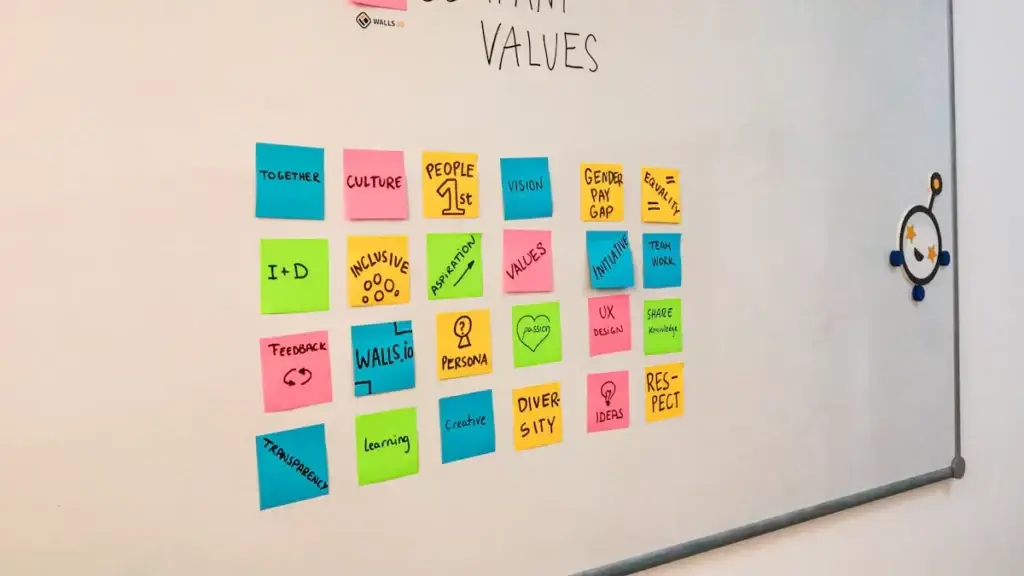
Définir le marché cible
Tu veux toucher les bonnes personnes ? Commence par définir ton marché cible avec précision. Interroge tes clients sur leurs habitudes, leurs attentes et leurs freins. Analyse les données d’achat : observe le montant du panier moyen, les produits préférés, et les pics de commande. Réalise des enquêtes quantitatives pour obtenir des chiffres solides, puis complète avec des entretiens qualitatifs pour comprendre les motivations profondes.
Voici les critères essentiels à prendre en compte pour créer vos personas :
Caractéristiques démographiques (âge, sexe, localisation, revenus)
Comportement des consommateurs (habitudes d’achat, préférences)
Analyse de la concurrence (forces et faiblesses des concurrents)
Tendances du marché (innovations, évolutions)
Environnement socioculturel et technologique
Astuce : Les entreprises qui investissent dans la compréhension de leur marché cible voient leur taux de conversion augmenter de 30 % (source : étude Forrester 2025).
Collecter des données (entretiens, enquêtes, fiches prospect)
Pour créer vos personas, tu dois t’appuyer sur des données réelles. Utilise plusieurs sources fiables :
Données internes (CRM, historiques commerciaux)
Interviews clients pour saisir leurs attentes et motivations
Données comportementales (navigation sur ton site, interactions par email)
Forums de discussion et réseaux sociaux pour capter les tendances
Études de marché et avis clients
Sondages et enquêtes en ligne pour recueillir des informations à grande échelle
Retours des équipes commerciales sur les objections et signaux d’intérêt
Les outils digitaux facilitent cette collecte. Les plateformes comme Magileads intègrent des modules d’enquête et d’analyse automatisée, ce qui te permet de centraliser toutes les informations sur une fiche prospect structurée. Tu gagnes du temps et tu obtiens une vision claire de chaque profil potentiel.
Les entreprises qui croisent données quantitatives et qualitatives construisent des personas 2x plus précis (Harvard Business Review, 2024).
Analyser et segmenter les données
Tu as récolté une mine d’informations ? Il est temps de segmenter. Utilise des techniques d’analyse comme l’analyse factorielle, la classification hiérarchique ou les algorithmes de clustering. Ces méthodes te permettent de regrouper tes clients selon leurs comportements, leurs besoins ou leurs attentes.
Voici quelques indicateurs à surveiller :
Indicateur | Description |
|---|---|
Récence | Date du dernier achat |
Fréquence | Nombre d’achats sur une période |
Montant | Valeur totale des achats |
Habitudes | Modes de consommation |
Stade d’achat | Position dans le parcours client |
N’oublie pas pour créer vos personas : identifier tes objectifs et comprendre le but de la segmentation te guide vers des groupes vraiment pertinents.
Identifier les variables et axes d’analyse
Pour affiner tes personas, sélectionne les variables les plus significatives. Organise des entretiens qualitatifs pour extraire une quinzaine de variables socio-démographiques et comportementales, puis conserve celles qui font la différence.
Les axes d’analyse les plus pertinents :
Données démographiques : âge, sexe, localisation, profession
Données psychographiques : style de vie, valeurs, motivations
Objectifs et frustrations : ce que cherche à accomplir ton client, ses points de douleur
Conseil : Les méthodes qualitatives (interviews, focus groups) et quantitatives (données CRM, analytics) se complètent pour révéler la vraie personnalité de tes personas.
Construire et valider la fiche persona
Tu arrives à l’étape clé : la création de la fiche persona. Rends-la vivante et crédible :
Donne un prénom et une histoire à ton persona (ex : Anne-Lise, 34 ans, chef de projet à Lyon)
Ajoute des informations descriptives (âge, sexe, profession, lieu de vie)
Intègre ses motivations, ses objectifs et ses freins
Décris ses comportements (habitudes de navigation, réactions aux promotions)
Précise sa situation familiale, ses valeurs et son caractère
La fiche de ton persona doit résulter d’une analyse sérieuse et méthodique, jamais d’une simple intuition.
Valide ensuite ton persona : recueille les retours de ton équipe, compare avec des données réelles, et ajuste au fil du temps. L’évaluation continue garantit la pertinence de tes profils.
Pour aller plus loin, inspire-toi de sites comme Decathlon ou Blablacar, qui ont su créer des personas dynamiques grâce à la collecte de données terrain et à l’analyse comportementale. Leur succès repose sur une adaptation constante aux évolutions du marché et sur l’utilisation d’outils digitaux performants.
Tu veux gagner du temps et fiabiliser ta démarche ? Découvre comment Magileads t’aide à collecter, analyser et structurer toutes tes données pour créer vos personas en toute simplicité.
Outils digitaux pour créer vos personas
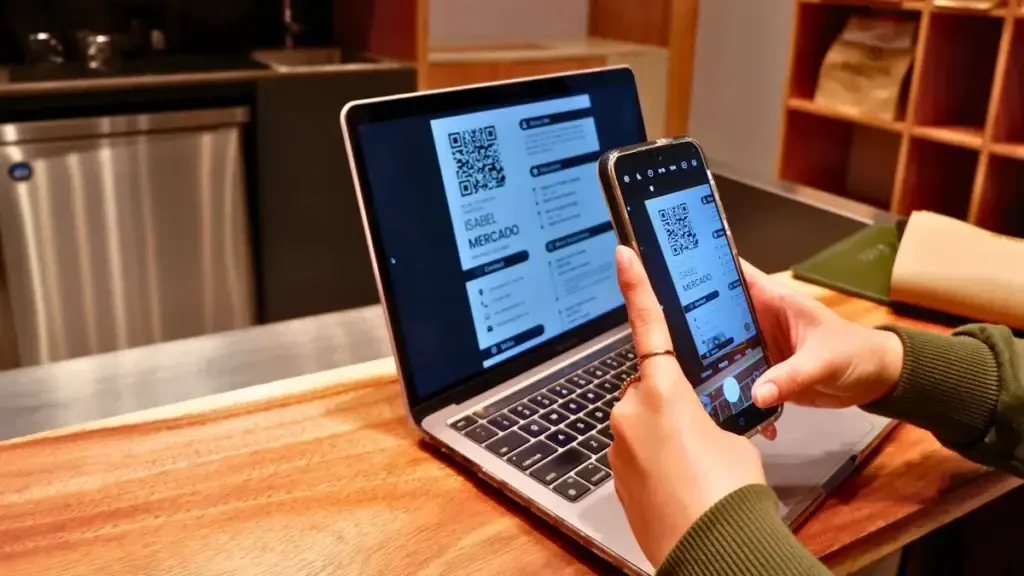
Éditeurs intuitifs et modèles personnalisables
Tu veux gagner du temps et créer des personas impactants ? Les éditeurs digitaux modernes te donnent cette liberté. HubSpot, Make My Persona, Profiler, Magileads et UXPressia figurent parmi les solutions les plus appréciées en 2026.
HubSpot propose un éditeur simple et une intégration directe dans son CRM.
Make My Persona t’aide à démarrer gratuitement avec des modèles prêts à l’emploi.
Magileads offre une personnalisation avancée et une collecte automatisée des données.
Profiler génère des tableaux de bord dynamiques pour visualiser tes personas.
UXPressia facilite la création de parcours clients et de cartes de parties prenantes.
Les modèles personnalisables te permettent d’ajuster chaque fiche à tes besoins. Tu cibles mieux tes messages et tu adaptes ton contenu à chaque segment. Cette approche booste la productivité et l’efficacité de ta communication.
Les experts en marketing digital recommandent d’utiliser des modèles flexibles pour mieux comprendre les motivations et comportements de tes clients (voir Search Engine Journal pour des analyses approfondies).
Visualisation et comparaison des personas
Visualiser tes personas devient un jeu d’enfant avec les bons outils. Profiler et Magileads proposent des dashboards clairs, des graphiques colorés et des vues dynamiques. Tu compares facilement plusieurs profils côte à côte, tu repères les différences et tu identifies les segments sous-exploités.
Exporter tes personas en PDF ou Excel facilite la collaboration entre équipes. Tu peux aussi créer des storyboards pour illustrer le parcours utilisateur et affiner ta stratégie.
Critère de comparaison | Exemple d’utilisation |
|---|---|
Âge | Adapter le ton du message |
Centres d’intérêts | Personnaliser les offres |
Objectifs | Définir les priorités marketing |
Les solutions modernes intègrent l’IA pour analyser automatiquement les données et révéler des tendances cachées, comme le souligne Moz.
Outils gratuits vs payants pour créer vos personas
Tu hésites entre un outil gratuit ou payant ? Les solutions gratuites comme Make My Persona conviennent pour débuter. Les outils payants, tels que Magileads ou UXPressia, t’offrent des fonctionnalités avancées :
Protection des données renforcée
Collaboration en temps réel
Intégration avec d’autres logiciels marketing
Accès illimité aux archives
Synchronisation automatique des modifications
Les modules d’enquête intégrés et l’analyse automatisée te permettent de collecter des données fiables et d’ajuster tes personas en continu. Tu gagnes en efficacité et tu restes toujours à la pointe des tendances.
Prêt à passer à l’action ? Découvre comment Magileads peut transformer ta création de personas et teste la plateforme dès aujourd’hui.
erreurs à éviter et limites des personas
Pièges courants lors de la création
Créer des personas puissants demande de l’attention et de la méthode. Tu peux facilement tomber dans certains pièges qui freinent la performance de ta stratégie marketing. Voici les erreurs les plus fréquentes selon les experts :
Tu généralises à partir de stéréotypes ou d’idées reçues.
Tu manques de précision dans la description de tes profils.
Tu crées des personas qui ne reflètent pas la réalité de tes utilisateurs.
Tu laisses tes personas devenir statiques, sans évolution.
Tu multiplies les personas au point de perdre en clarté.
Tu oublies d’actualiser tes profils avec le temps.
Les entreprises qui définissent clairement leurs personas voient leur taux de conversion grimper de 73 % en moyenne. Prends le temps d’éviter ces pièges pour maximiser tes résultats.
Garder ses personas à jour
Un persona efficace vit et évolue. Tu dois revoir régulièrement tes profils pour qu’ils restent pertinents. Mets en place une routine de mise à jour tous les 12 à 18 mois, ou dès qu’un changement majeur survient dans ton marché. Les outils digitaux t’aident à centraliser les retours clients et à réévaluer les scores de performance chaque mois.
Mets à jour tes personas au moins une fois par an.
Adapte-les dès que tu observes de nouveaux comportements ou besoins.
Utilise des plateformes qui facilitent la collecte et l’analyse continue des données.
“Il est primordial de mettre à jour régulièrement les personae et l’ensemble des outils utilisés pour améliorer l’expérience utilisateur.” (Source : études UX 2025)
Limites et alternatives complémentaires
Même bien construits, les personas ont leurs limites. Tu peux parfois confondre persona et cible marketing, ce qui rend ta stratégie moins efficace. Tu risques aussi de te concentrer uniquement sur ta clientèle habituelle et de négliger des segments à fort potentiel. Parfois, tu idéalises un client rêvé, loin des besoins réels du marché.
Limite courante | Conséquence possible |
|---|---|
Persona trop idéaliste | Décalage avec la réalité terrain |
Oubli de segments émergents | Opportunités manquées |
Confusion cible/persona | Messages moins percutants |
L’intelligence artificielle révolutionne la création de personas et le référencement. Tu dois rester vigilant sur l’éthique : l’IA peut amplifier les biais si tu ne contrôles pas la qualité des données. Les experts recommandent de croiser sources humaines et algorithmes pour garantir l’équité et la diversité des profils (voir : “AI Ethics in Marketing”, MIT Sloan, 2024).
Reste curieux, adapte-toi, et n’hésite pas à explorer de nouvelles méthodes pour enrichir ta connaissance client. C’est ainsi que tu bâtis une stratégie solide et durable.
Tu maîtrises désormais les étapes clés pour créer des personas en 2026. Grâce à cette méthode, tu peux :
Imaginer des offres innovantes centrées sur l’expérience utilisateur
Faciliter la création d’une communication ciblée et percutante
Améliorer le discours commercial pour plus d’impact
Utilise des outils digitaux comme Magileads pour gagner en efficacité et garder tes personas à jour. Explore des guides pratiques tels que OFAP ou Les Makers, ainsi que des plateformes gratuites comme HubSpot et LearnUp pour approfondir ta démarche. Passe à l’action et transforme ta stratégie marketing dès aujourd’hui ! 🚀
FAQ sur comment créer vos personas
Comment savoir si mon persona est vraiment efficace ?
Tu ressens l’impact quand tu crées des campagnes qui touchent juste. Tes clients réagissent, tes taux de conversion montent. Tu peux aussi demander l’avis de ton équipe ou tester tes personas sur le terrain pour ajuster et progresser.
Combien de personas dois-je créer pour mon entreprise ?
Tu peux commencer avec deux ou trois personas principaux. Cela suffit pour cibler tes segments majeurs. Si ton activité évolue, tu ajoutes de nouveaux profils. L’important reste la qualité, pas la quantité.
Quels outils utiliser pour créer vos personas facilement ?
Tu découvres des plateformes comme Magileads, HubSpot ou UXPressia. Ces outils t’aident à structurer, visualiser et comparer tes profils. Tu gagnes du temps et tu crées des personas adaptés à chaque projet.
À quelle fréquence dois-je mettre à jour mes personas ?
Tu mets à jour tes personas au moins une fois par an. Dès que tu observes de nouveaux comportements ou des tendances émergentes, tu ajustes tes profils. Cette routine te permet de rester connecté à tes clients.
Est-ce que l’intelligence artificielle peut m’aider à créer vos personas ?
Oui ! L’IA analyse rapidement de grandes quantités de données. Tu découvres des tendances cachées et tu crées des personas plus précis. Tu gagnes en pertinence et tu anticipes les besoins de tes clients.
Voir également
Stratégies Essentielles Pour Maximiser Vos Campagnes De Prospection
Élaborez Un Plan De Prospection En Quatre Simples Étapes
Développez Une IA Efficace Pour Le Marketing En Étapes
Construire Une Base De Données De Prospects Efficace
Techniques Pour Optimiser L’Automatisation De La Prospection