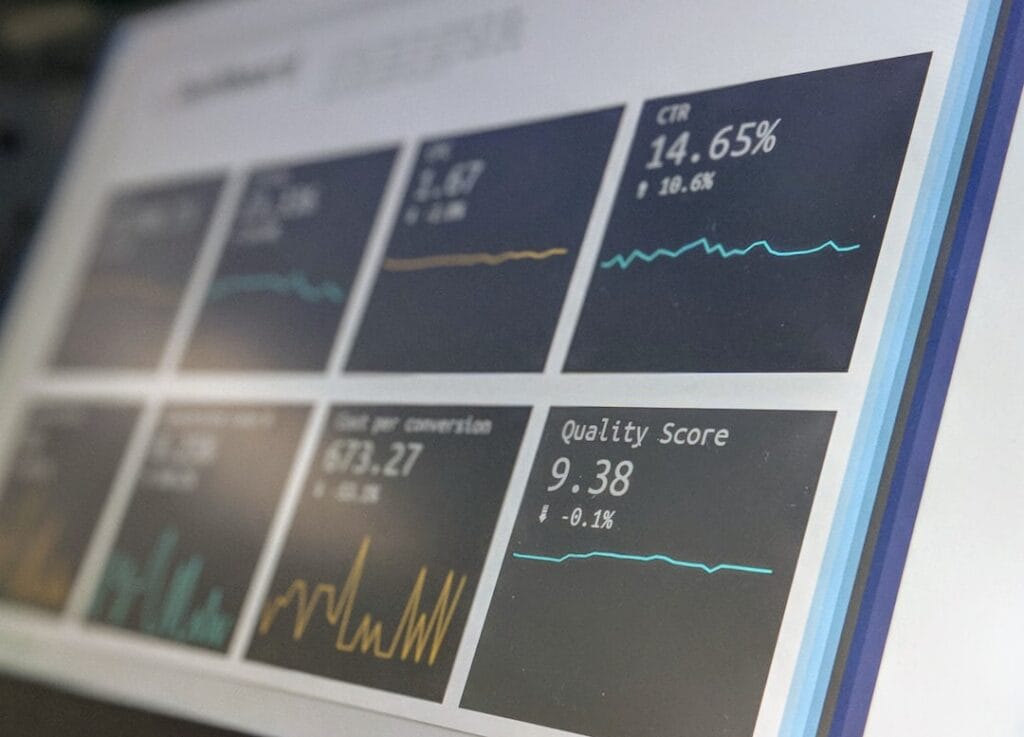
White-label sales automation refers to a process by which businesses use tools and technologies to manage their sales without having to develop those solutions in-house. In other words, you can integrate pre-existing sales systems under your own brand, allowing you to focus on your core business while still delivering high-quality service to your customers. This means you can leverage the expertise of other companies while maintaining your brand identity.
This approach is particularly advantageous for businesses looking to expand their product or service offerings without significant investment in technological development. By using white-label automation solutions, you can quickly implement efficient sales processes, reduce operational costs, and enhance the customer experience. It also allows you to remain competitive in the market, as you can react rapidly to evolving consumer trends and needs. Here is a link to our Multichannel Campaigns .
Summary
- White-label sales automation involves using tools and software to automate sales processes while customizing them for businesses.
- The benefits of white-label sales automation for businesses include increased productivity, reduced costs, improved lead quality, personalized customer interactions , and optimized sales processes.
- White-label sales automation works by using tools and software to automate repetitive tasks, personalize customer interactions, track sales performance, and analyze data to make informed decisions.
- Tools and software available for white-label sales automation include CRMs, e-commerce platforms, marketing automation tools, lead management software , and sales management solutions.
- The steps to implement white-label sales automation include identifying needs, selecting tools and software, customizing processes, training staff, and analyzing results to make continuous improvements.
The advantages of white-label sales automation for businesses
One of the main advantages of white-label sales automation is cost reduction. By outsourcing certain sales functions, you avoid the expenses associated with developing and maintaining in-house software. This allows you to allocate your financial resources to other strategic areas of your business, such as marketing or new product development.
Furthermore, automation optimizes processes, resulting in increased operational efficiency. Another significant advantage is the speed with which these solutions can be implemented. Unlike building a custom system, which can take months or even years, integrating a white-label automation solution can be done in a matter of weeks.
This means you can start generating revenue faster and meet your customers' needs without delay. Furthermore, it allows you to test new sales strategies without a significant financial commitment.
How does white-label sales automation work?
 White-label sales automation typically operates through a software platform that manages various aspects of the sales process. These platforms may include features such as lead management, performance tracking, data analytics, and customer relationship management (CRM) . When integrating an automation solution, you often customize the interface and features to match your brand and specific needs.
The system works by integrating several tools that communicate with each other to provide a seamless experience. For example, a system can capture leads via an online form and then automatically transfer them to your sales team for follow-up. Furthermore, these systems can analyze data to identify trends and opportunities, allowing you to adjust your strategies in real time.
In summary, automation simplifies the sales process while providing valuable information for making informed decisions.
Tools and software available for white-label sales automation
| Tool/Software | Features | Benefits |
|---|---|---|
| White-label CRM | Contact management, sales tracking, task automation | Customization, easy integration, white label |
| Emailing platform | Campaign creation, performance tracking , automated sending | Personalization, contact segmentation, detailed report |
| Lead management software | Lead collection, scoring, sales cycle tracking | Sales process optimization, lead tracking, CRM integration |
There are a multitude of tools and software solutions available on the market for white-label sales automation. Among the most popular are platforms like HubSpot, Salesforce, and Zoho CRM. These solutions offer a comprehensive range of features, from contact management to advanced data analytics.
By choosing a tool tailored to your needs, you can significantly improve your sales efficiency. Furthermore, some companies offer solutions specifically designed for your industry. For example, if you're in e-commerce, you might consider tools like Shopify or WooCommerce, which include automation features adapted for online sales.
These platforms not only automate sales processes, but also improve the customer experience through a user-friendly and customizable interface.
Steps to implement white-label sales automation
To implement white-label sales automation, it's essential to follow several key steps. First, it's crucial to assess your specific needs and identify the processes you want to automate. This might include lead management , performance tracking, or customer communication.
Once you have a clear vision of your objectives, you can begin researching the tools that best meet your requirements. Next, it's important to plan the integration of your chosen solution into your existing infrastructure. This may require collaboration with your IT team or an external consultant to ensure everything works seamlessly.
Once the solution is in place, don't forget to train your team on how to use it so they can take full advantage of the new features offered by automation.
Criteria to consider when choosing a white-label sales automation solution

When choosing a white-label sales automation solution, several criteria must be considered. First and foremost, compatibility with your existing systems is paramount. You must ensure that the solution integrates seamlessly with your current tools to avoid any disruption to your business operations.
Furthermore, check if the platform offers sufficient customization to meet your specific needs. Another important criterion is the customer support provided by the vendor. Access to responsive and competent technical support is essential to quickly resolve any issues that may arise while using the software.
Finally, don't forget to assess the total cost of ownership, including subscription fees, training costs, and any necessary upgrades over time.
The challenges and obstacles to overcome when implementing white-label sales automation
Implementing white-label sales automation can present several challenges. One of the main obstacles is resistance to change within your team. Some people may be reluctant to adopt new technologies or modify their usual work methods.
To overcome this resistance, it's crucial to involve your team from the very beginning of the process and demonstrate the tangible benefits that automation can bring. Another common challenge relates to data quality. If your customer data is poorly organized or contains errors, it can negatively impact the effectiveness of your automated system.
It is therefore essential to conduct a full audit of your data before implementing an automation solution to ensure a smooth and efficient transition.
Best practices for successful white-label sales automation
To ensure the success of your white-label sales automation, there are several best practices to follow. First, make sure that all members of your team are trained and understand how to use the new solution effectively. Proper training can make all the difference in the successful adoption of the system.
Next, it's important to regularly monitor the performance of the automated system and make any necessary adjustments. This may include analyzing data to identify weaknesses or opportunities for improvement. By remaining proactive in managing your automation solution, you'll maximize its benefits and ensure an optimal customer experience .
Examples of successful white-label sales automation across different industries
Many companies have successfully leveraged white-label sales automation to improve their efficiency and profitability. For example, in the e-commerce sector, some brands have integrated automated solutions to manage their marketing campaigns and online sales, enabling them to increase revenue while reducing operating costs. In the financial sector, some institutions have used automation to streamline their sales processes and improve customer service.
By integrating a high-performing CRM system, they were able to better understand their customers' needs and personalize their offers, which led to a significant increase in customer satisfaction and greater loyalty.
Upcoming trends and developments in the field of white-label sales automation
The future of white-label sales automation looks promising, with several emerging trends. Artificial intelligence (AI) is playing an increasingly important role in this area, enabling companies to analyze customer data with greater accuracy and anticipate their needs before they even arise. This paves the way for even more personalized offers and continuous improvement in customer service.
Furthermore, the increasing integration of mobile technologies into automation solutions will allow sales teams to access the necessary information wherever they are.
Expert advice on maximizing the benefits of white-label sales automation
To maximize the benefits of your white-label sales automation, it's advisable to stay informed about the latest technological trends and be prepared to adapt your strategy accordingly. Experts also recommend investing in ongoing training for your team so they can fully leverage the new features offered by your solution. Finally, don't hesitate to solicit feedback from your customers to refine your processes and continuously improve your offering.
By placing the customer at the center of your automation strategy, you will be better positioned to meet their expectations and strengthen their loyalty to your brand.
Another effective prospecting strategy is retargeting, which involves re-engaging prospects who have already visited your website. This helps boost your brand visibility and increase conversion rates. To learn more about this technique, see Magileads' article on retargeting .
FAQs
What is white label selling?
White-label selling is a business practice in which a product or service is manufactured by one company and then resold by another company under its own brand.
What is white-label sales automation?
White label sales automation is the process of implementing systems and software that allow companies to resell products or services under their own brand in an automated way, without having to develop or produce those products or services themselves.
What are the advantages of white-label sales automation?
The benefits of white-label sales automation include the ability for companies to offer a wider range of products or services without having to develop them themselves, to reduce production costs and save time by using existing solutions.
How does white-label sales automation work?
White-label sales automation works by using software and platforms that allow businesses to customize and resell products or services under their own brand, automating ordering, payment, and delivery processes.
What types of businesses can benefit from white-label sales automation?
Businesses of all sizes and across all sectors can benefit from white-label sales automation, including marketing agencies, e-commerce companies, software providers, and service companies.