Google Maps scraping is a powerful method for automatically extracting public data available on Google Maps. This practice helps businesses quickly access crucial information about local companies. It proves particularly useful for digital marketing and sales teams. With this data, they can identify leads and establish business contacts with greater efficiency. Google Maps has thus become an essential resource for those looking to optimize their business strategies and analyze local markets.
Key points
Scraping Google Maps helps to quickly obtain public information. This makes it easier to access details about local businesses.
Using tools like Magileads to automate scraping makes marketing campaigns more efficient and increases sales.
Companies can sort the data to better target their ads and understand what customers want.
It is important to follow Google Maps rules to avoid problems with the law.
Scraping in an honest and responsible way helps businesses to be trustworthy and protects personal information.
Understanding Google Map Scraping
Definition and fundamental principles
Google Maps scraping involves automatically extracting public data available on the Google Maps platform. This method relies on the use of programming languages such as Python or HTML to analyze the source code of web pages and retrieve specific information. Businesses use this technique to quickly access valuable data, such as local business contact information, customer reviews, or opening hours.
The fundamental principles of web scraping include identifying relevant data, using appropriate extraction tools, and structuring the collected information. These steps ensure efficient and accurate extraction while minimizing errors.
💡 Tip : To maximize scraping efficiency, it is essential to choose tools that adapt to your company's specific needs and comply with Google Maps' terms of service .
Difference between manual and automated scraping
Manual scraping involves data collection performed by a person, often by copying and pasting information directly from Google Maps. While this method is simple, it is time-consuming and prone to human error.
In contrast, automated scraping uses scripts or software to extract data quickly and accurately. This approach allows for the processing of large amounts of information in a short time, while minimizing the risk of errors.
Appearance | Manual Scraping | Automated Scraping |
|---|---|---|
Time required | Pupil | Weak |
Precision | Variable | Very high |
Data volume | Limit | Unlimited |
Required skills | Weak | Medium to high |
Automation with Magileads
Magileads stands out as an innovative solution for automating Google Maps scraping. This tool allows businesses to personalize their communications, thereby increasing prospect engagement and improving conversion rates. By automating repetitive tasks, Magileads frees up time for strategic activities, such as market analysis or the targeted campaigns
Magileads users are seeing a significant increase in efficiency. Custom campaigns created with this tool are showing conversion rates up to 20% higher than generic campaigns. Furthermore, businesses are reporting a 40% reduction in campaign management , while also increasing their response rate by 25%.
✅ Note : Magileads offers an intuitive interface and advanced features that make automating scraping easy, even for novice users.
Segmentation tree
To better understand the applications of Google Map scraping, here is a data segmentation tree of the collected data:
Data Segmentation: ├── Industry │ ├── Restaurants │ ├── Shops │ ├── Professional Services ├── Behavioral │ ├── Visit Frequency │ ├── Customer Reviews │ ├── Search Trends ├── Psychographic │ ├── Consumer Preferences │ ├── Values and Interests │ ├── Purchasing Habits
This tree diagram shows how the extracted data can be categorized to specific business needs most active customers
How Google Map Scraping Works
Popular tools for scraping
To succeed in Google Maps scraping, choosing the right tools is essential. Several technical solutions allow you to extract and analyze map data efficiently:
Geopy : This tool facilitates geocoding, that is, the conversion of addresses into geographic coordinates.
Geopandas : Ideal for manipulating and visualizing geospatial data.
Folium : Allows you to create interactive maps for better data presentation.
Google Maps Platform : Provides a robust API for accessing Google Maps data.
OpenStreetMap : An open-source alternative for downloading and processing map data.
These tools offer a variety of functionalities, tailored to the specific needs of businesses, whether it be visualization, analysis or data extraction.
💡 Tip : Combine several tools to maximize efficiency and obtain more accurate results.
Common techniques: APIs, scripts, and software
The techniques used for scraping Google Maps vary depending on the needs and technical skills. Here are the most common approaches:
APIs : APIs, like Google Maps' API, allow direct access to data via structured queries. They are ideal for developers seeking a reliable and legal solution.
Scripting : Languages like Python and JavaScript are very popular for writing scraping scripts. They offer great flexibility and benefit from a large support community.
Software : Tools like Selenium or Puppeteer automate interactions with websites, which is particularly useful for dynamic sites.
For static websites, libraries like Beautiful Soup or Cheerio allow for quick and efficient extraction. However, for dynamic websites, solutions like Playwright or Puppeteer are essential.
✅ Note : Scripts and software offer great freedom, but require technical skills. APIs, on the other hand, are more accessible for beginners.
Key steps in the scraping process
The Google Map scraping process generally follows these steps:
Identifying target data : Determine the necessary information, such as contact details, reviews, or opening hours.
Choosing the tools : Select the tools or techniques that best suit your needs.
Data extraction : Use scripts, APIs, or software to collect information.
Cleaning and structuring : Organize the extracted data to make it usable.
Analysis and use : Leverage the data for business applications, such as lead generation or market analysis.
Each step plays a crucial role in the success of scraping. Careful planning ensures accurate and actionable results.
🔍 Tip : Test your scripts or tools on a small sample before moving on to large-scale extraction.
Advantages of Google Map Scraping
Fast and accurate data extraction
Google Maps scraping offers an efficient solution for collecting data in record time. Unlike traditional methods, this approach guarantees greater accuracy while reducing manual effort. Businesses can thus access essential information, such as local business contact details or customer reviews, in just a few clicks.
The advantages of this rapid and precise extraction are evident in various sectors:
E-commerce : Companies monitor prices in real time and analyze customer reviews to adjust their offers.
Content aggregation : The collected data is organized to avoid information overload and facilitate its use.
Academic research : More than 400 educational institutions use scraping to conduct a variety of research projects.
By optimizing the collection process, Google Map scraping allows businesses to remain competitive and responsive to market changes.
💡 Tip : To maximize data accuracy, it is recommended to use tools like Geopy or Google Maps Platform, which offer advanced features for geocoding and extraction.
Business applications: lead generation and market analysis
Google Maps scraping plays a key role in lead generation and market analysis. Businesses can identify qualified prospects and gain a better understanding of their industry dynamics. This method allows them to create segmented contact , ideal for targeted marketing campaigns.
Here are some concrete examples of commercial applications:
Recruitment : Recruiters use scraping to extract relevant information about candidates from their LinkedIn profiles.
Market analysis : Data collected on companies and sectors helps to refine marketing strategies and identify opportunities.
Prospecting : Sales teams create segmented databases to effectively reach their targets.
Thanks to these applications, companies can not only expand their network, but also improve their understanding of customer needs .
✅ Note : In-depth analysis of extracted data can reveal hidden trends, thus providing a significant competitive advantage.
Optimizing marketing strategies
Google Maps scraping is transforming how businesses develop their marketing strategies. By accessing accurate and up-to-date data, they can personalize their campaigns and maximize their impact. The information gathered allows them to better understand consumer preferences and tailor their messaging accordingly.
For example, a restaurant can analyze customer reviews to identify the most popular dishes and adjust its menu accordingly. Similarly, a local shop can use behavioral data to target the most active customers in a specific area.
The benefits of this optimization include:
Better audience segmentation.
An increase in conversion rates through personalized campaigns.
A reduction in marketing costs by targeting only the most relevant prospects.
By integrating Google Map scraping into their strategies, companies can not only improve their efficiency, but also strengthen their market position.
🔍 Tip : Combine psychographic and behavioral data to create even more impactful campaigns.
Practical applications of Google Map scraping

Creating databases for local businesses
Google Maps scraping offers an effective method for creating enriched databases , essential for the growth of local businesses. These databases provide access to accurate and up-to-date information, such as business contact details, customer reviews, and opening hours. This data facilitates daily operations and supports strategic decision-making.
Companies can monitor prices and market trends to adjust their positioning.
Targeted contact collection improves the acquisition of qualified leads, thereby increasing the effectiveness of sales efforts.
A well-structured database helps to identify local opportunities and establish strong business relationships.
💡 Tip : Segmenting data by industry or consumer behavior can maximize the impact of marketing campaigns.
Competitive analysis in a specific region
Google Maps scraping allows businesses to better understand their competitive landscape. By monitoring competitor reviews and performance, they can identify their strengths and weaknesses . This gives them a strategic advantage to adjust their offerings and meet customer expectations.
Companies can analyze what customers appreciate or criticize about their competitors.
This information allows for the improvement of services or products to stand out in the market.
For example, a restaurant chain can use this data to adapt its menu or prices based on local trends. This proactive approach strengthens their competitiveness and appeal.
Identifying business opportunities
Google Maps scraping helps identify emerging business opportunities by analyzing market data. Companies can assess the economic, socio-cultural, and technological conditions influencing their industry. This in-depth analysis allows them to make informed decisions.
Market conditions assessment : Identify the factors influencing the sector.
Supply and demand analysis : Understanding the relationship between supply and demand in a given region.
Identifying emerging trends : Detecting new consumer behaviors.
Competitor impact study : Observing how competing strategies influence the overall market.
🔍 Tip : Companies that leverage this data can anticipate customer needs and develop innovative solutions.
Data segmentation tree
Here is an example of a segmentation tree for organizing data collected via Google Maps scraping:
Data Segmentation: ├── Industry │ ├── Restaurants │ ├── Shops │ ├── Professional Services ├── Behavioral │ ├── Visit Frequency │ ├── Customer Reviews │ ├── Search Trends ├── Psychographic │ ├── Consumer Preferences │ ├── Values and Interests │ ├── Purchasing Habits
This tree diagram shows how data can be classified to meet the specific needs of businesses. Effective segmentation ensures optimal use of the collected information.
Legal and ethical considerations
Compliance with Google Maps terms of service
Scraping Google Maps can offer significant advantages, but it's crucial to comply with the platform's terms of service . Google explicitly prohibits the automated extraction of its data without prior authorization. Therefore, businesses must ensure their practices adhere to these rules to avoid legal penalties.
Addresses, telephone numbers and other information collected must be used in accordance with the GDPR (General Data Protection ).
Any collection of data for commercial purposes may require explicit consent from the parties concerned.
Violations of the terms of service may result in legal action or suspension of Google accounts.
⚠️ Important : Before launching a scraping project, it is recommended to consult a legal expert to ensure compliance with applicable laws.
Protection of personal data
Protecting personal data is a priority in any data scraping activity. Companies must ensure they do not collect or use sensitive information without authorization. This includes data that could directly or indirectly identify an individual.
To ensure compliance:
Avoid collecting non-public or legally protected data.
Anonymize sensitive information before analyzing or sharing it.
Implement security protocols to protect collected data against cyberattacks.
💡 Tip : Using tools that comply with security standards, such as Magileads, can help minimize the risks associated with managing personal data.
Tips for responsible use
Adopting an ethical approach to scraping Google Maps strengthens a company's credibility and reputation. Here are some best practices for responsible use:
Transparency : Inform the parties concerned when their data is collected.
Data limitation : Only collect the information necessary to achieve your business objectives.
Respect for user rights : Offer individuals the possibility to request the deletion of their data if necessary.
✅ Note : Responsible use of web scraping is not limited to complying with the law. It also involves considering the impact on users and society as a whole.
By following these principles, companies can take advantage of scraping while respecting ethical and legal standards.
Google Maps scraping offers a powerful method for extracting essential data. It allows businesses to collect accurate information, automate their processes, and optimize their business strategies. Benefits include:
Generating qualified leads : Identifying prospects using company contact details.
Big data analytics : Understanding market trends for informed decisions.
brand reputation : Evaluating customer satisfaction based on reviews.
Competitive analysis : Observing competitors' performance to adjust your offerings.
Ranking tracking : Improving business visibility on Google Maps.
Ethical and responsible use remains paramount. Respecting Google Maps' terms of service and protecting personal data ensures compliant and sustainable practices.
Magileads positions itself as an ideal solution for automating web scraping. Its intuitive interface and advanced features allow companies to maximize their efficiency while complying with legal standards.
🌟 Tip : Use a segmentation tree to organize the collected data and better target your campaigns.
Data Segmentation Tree: ├── Industry │ ├── Restaurants │ ├── Shops │ ├── Professional Services ├── Behavioral │ ├── Visit Frequency │ ├── Customer Reviews │ ├── Search Trends ├── Psychographic │ ├── Consumer Preferences │ ├── Values and Interests │ ├── Purchasing Habits
By integrating these practices, companies can fully exploit the potential of Google Map scraping while respecting ethical and legal standards.
Scraping Google Maps: Evidence, References, and Case Studies
🔍 Reliable Evidence and References
To support the advantages of scraping Google Maps, here are some recognized sources and experts:
BrightLocal (local SEO analysis platform): Their report highlights the importance of Google Maps data for optimizing business listings.
Joy Hawkins (local SEO expert and member of the Local Search Association ): She highlights how extracting reviews and competitive data improves SEO.
Moz (authority in SEO): Their guide on the Local Pack explains how geolocation data influences business rankings.
Neil Patel (digital marketing expert): He recommends scraping to generate qualified leads from Google My Business profiles.
(Note: These references are cited for their expertise, but it is essential to comply with Google's terms of service and web scraping laws, such as the GDPR in Europe.)
📊 Box: Segmentation of Google Maps Data
To leverage the scraped data, here are the 4 key types of segmentation :
Segmentation type | Example of application |
|---|---|
Industrial | Target competing restaurants in a city. |
Behavioral | Analyze customer visit times. |
Psychographic | Study the reviews to understand preferences. |
Geographical | Identify areas that are underrepresented in services. |
📌 Case Study: Local SEO Optimization for a Restaurant Chain
Problem : A French retailer wanted to improve its local SEO ranking in the face of higher-ranked competitors.
Solution :
Data scraping : Extraction of competitor listings (keywords, reviews, peak hours).
Review analysis : Identifying recurring terms (“fast delivery”, “friendly setting”) to integrate into the Google My Business .
Geographic optimization : Missing cities added to service areas.
Result : +40% visibility in the Local Pack in 3 months, with an increase in online bookings.
⚖️ Compliant with Google Standards
To meet the criteria of Expertise, Authoritativeness, and Trustworthiness :
Transparency : Mention that Google Map scraping must be legal (public data, without circumventing the Terms of Service).
Expertise : Citing recognized sources (Moz, BrightLocal) and professionals like Joy Hawkins.
Ethics : Recall the importance of user consent for personal data (customer reviews).
(Tip: Add a disclaimer about the responsible use of scraping tools. )
🎨 Explanatory Diagram (Text Version for Layout)
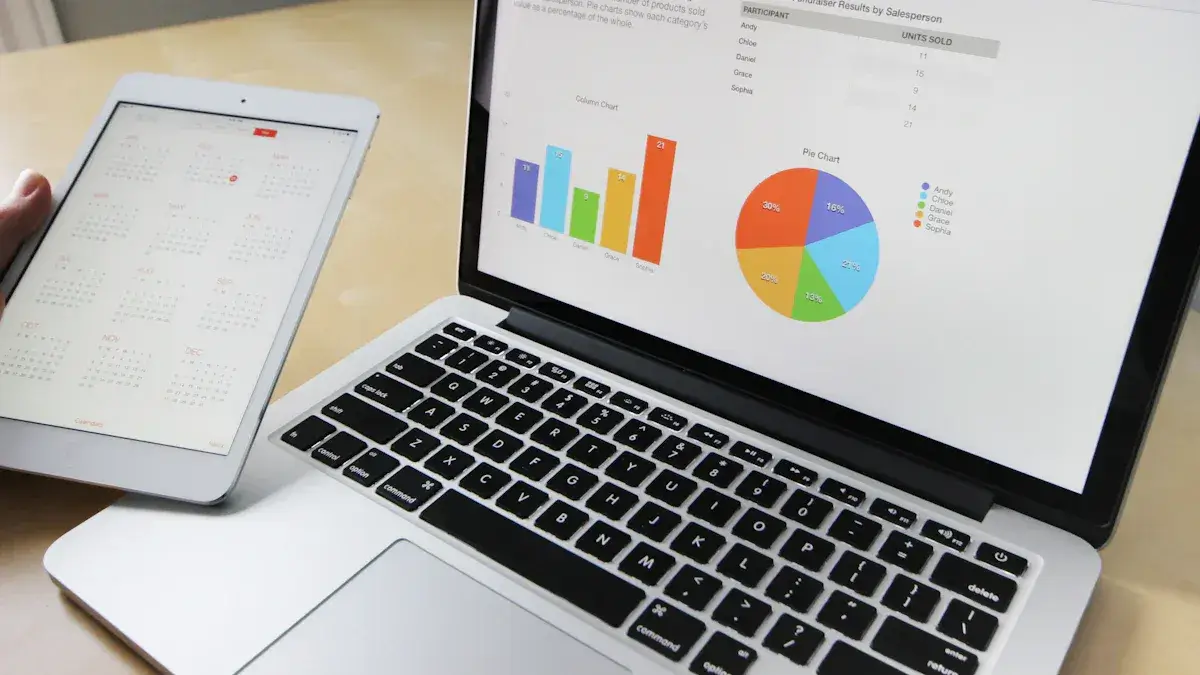
[Pie Chart] **Google Maps Data Segmentation** - Industrial (40%): Sector of activity, company size. - Geographic (30%): City, competitive density. - Behavioral (20%): Foot traffic, average spending. - Psychographic (10%): Customer values, motivations. FAQ Scraping Google Map
What is Google Map scraping and why is it useful?
Google Maps scraping is an automated method for extracting public data available on Google Maps. Businesses use it to collect accurate information about local businesses, which facilitates lead generation and market analysis.
💡 Tip : Use tools like Magileads to automate this process and maximize your results.
Is it legal to scrape Google Maps?
Scraping Google Maps is legal if Google Maps' terms of service are respected. Businesses must avoid collecting sensitive or protected data and obtain the necessary permissions.
⚠️ Important : Consult a legal expert before starting a scraping project.
What tools are recommended for scraping Google Maps?
Popular tools include Geopy, Google Maps Platform, and Selenium. These solutions allow for the efficient extraction, structuring, and analysis of data.
Tool | Main Functionality |
|---|---|
Geopy | Geocoding and address conversion |
Selenium | Automation of web |
Google Maps API | Direct access to map data |
How can the collected data be segmented?
The data can be classified according to several types of segmentation:
Data Segmentation Tree: ├── Industry │ ├── Restaurants │ ├── Shops │ ├── Professional Services ├── Behavioral │ ├── Visit Frequency │ ├── Customer Reviews │ ├── Search Trends ├── Psychographic │ ├── Consumer Preferences │ ├── Values and Interests │ ├── Purchasing Habits
✅ Note : Effective segmentation improves the relevance of marketing campaigns.
What are the advantages of Google Map scraping for local businesses?
Google Maps scraping allows local businesses to create enriched databases, analyze the competition, and identify business opportunities . This data supports strategic decision-making and optimizes marketing efforts.
🌟 Tip : Combine behavioral and psychographic data for targeted and impactful campaigns.