Prospecting software is a technological tool designed to help businesses identify, qualify, and manage potential leads. By integrating advanced features such as task automation, contact management, and data analytics, this software enables sales teams to work more efficiently and effectively. In other words, prospecting software acts as a virtual assistant that streamlines the sales process by centralizing all the necessary information about prospects in one place.
These tools are particularly valuable in a constantly evolving business environment, where competition is fierce and customer expectations are high. With prospecting software, companies can not only save time but also improve the quality of their interactions with potential clients. By using intelligent algorithms, this software can also provide recommendations on the best approaches to take with each prospect, making the sales process more personalized and efficient.
Using prospecting software offers numerous advantages that can significantly increase a company's sales. First, these tools allow for better organization of customer data. By centralizing all prospect-related information, sales teams can easily access accurate and up-to-date data, enabling them to make informed decisions.
Furthermore, the ability to automate certain repetitive tasks, such as sending emails or tracking interactions, frees up time for sales representatives to focus on higher-value activities. In addition, prospecting software can also improve team collaboration. By providing a common platform where all members can share information and updates about prospects, these tools promote smoother communication and better coordination.
This translates into a more consistent and harmonized approach in the sales process, which can strengthen the confidence of potential customers and increase the chances of conversion.
Choosing the right prospecting software is a crucial step to maximizing its effectiveness. It's essential to start by assessing your company's specific needs. For example, if you're a small business with a limited budget, you might prefer software that offers essential features without excessive complexity.
Conversely, a large enterprise might require a more robust tool with advanced analytics and integration capabilities. Ease of use is also crucial. A complex tool can present a steep learning curve for your team, potentially hindering adoption.
Additionally, check if the software offers integrations with other tools you already use, such as your CRM or email marketing platforms. Finally, don't hesitate to request demos or take advantage of free trial periods to test the software before making a final decision.
prospecting software must include several key features to meet the needs of sales teams. First and foremost, contact management is essential. This includes the ability to easily import and organize prospect information, as well as track past interactions.
Effective contact management allows salespeople to personalize their approaches and build strong relationships with prospects. Automation is also essential . Good software should automate email sending, call-back scheduling, and even report generation.
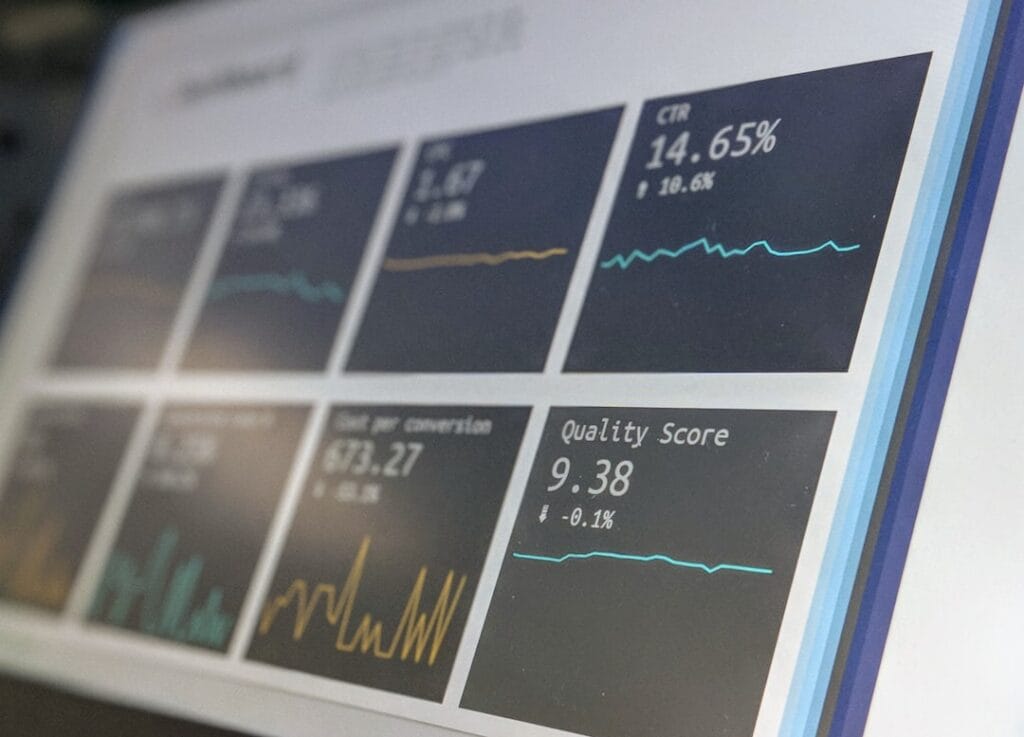
Finally, data analysis is essential for measuring the effectiveness of prospecting efforts. Software that offers clear dashboards and detailed reports can help teams identify what's working and what needs improvement.
Integrating prospecting software into your sales process requires careful planning. First, it's crucial to involve all stakeholders from the outset. This includes not only the sales team, but also the marketing and customer support departments.
Next, it's important to clearly define the steps in the sales process and how the software integrates with each step. For example, you might decide that the software will be used to qualify leads before they are passed on to sales representatives for personalized follow-up.
By establishing these protocols from the outset, you can maximize the software's efficiency and ensure that every team member knows how to use it best.
To get the most out of prospecting software, there are several best practices to follow. First, it's essential to keep your data up to date. This means regularly checking and cleaning the database to ensure all prospect information is accurate and relevant.
Outdated data can hinder the efficiency of the sales process and lead to missed opportunities. Furthermore, it's recommended to fully utilize the software's automation features. For example, set up automated email sequences to follow up with leads after initial contact, or use reminders to ensure you don't forget to contact a prospect again after a certain period.
Finally, encourage your team to share their experiences and best practices regarding the use of the software. This can foster a culture of continuous learning and improve the overall efficiency of the sales process.
Training is a key element in ensuring your team uses prospecting software . Start by organizing initial training sessions where you present all the software's features and demonstrate how they can be applied within the sales process. Use concrete examples and encourage team members to ask questions to clarify any doubts.
Next, it can be helpful to establish an ongoing training program. This could include regular workshops where you explore specific features in depth or share case studies of how other companies have succeeded using the software. Additionally, consider designating "champions" within your team who can assist colleagues when needed and share their tips on using the software.
When using prospecting software, certain common mistakes can hinder its effectiveness. One of the most frequent is neglecting to update customer data. Ignoring this step can lead to lost business opportunities and damage your company's reputation if you contact prospects with outdated information.
Another common mistake is a lack of integration with other tools used by the company. If the software isn't connected to your CRM or marketing tools, it can create information silos that complicate the overall process. Finally, failing to leverage the software's advanced features can also limit its effectiveness.
Take the time to explore all available options and don't hesitate to ask the supplier for advice if necessary.
Measuring the effectiveness of prospecting software is essential to assessing its impact on your sales. To do this, start by defining key performance indicators (KPIs) such as the lead-to-customer conversion rate or the average time to close a sale. These metrics will allow you to evaluate whether the software is truly contributing to improved business results.
Furthermore, it's important to regularly analyze this data to identify trends and adjust your strategies accordingly. For example, if you find that certain types of prospects convert better than others using the software, you can tailor your marketing efforts to better target that specific segment. Finally, don't forget to involve your team in this analysis so they can share their feedback on using the software and suggest potential improvements.
The prospecting software field is evolving rapidly with the advent of new technologies and methodologies. One of the major trends is the increasing integration of artificial intelligence (AI) into these tools. AI not only automates certain tasks but also analyzes prospect behavior to provide personalized recommendations on the best approach to take.
Another important trend is the emphasis on user experience (UX). Vendors are striving to make their software more intuitive and user-friendly so that even those without technical expertise can quickly take advantage of it. Finally, personalization is also becoming a key issue: companies are seeking to deliver a unique customer experience by using data collected through the software to tailor their messages and offers to the specific needs of each prospect.
Several reputable prospecting software solutions exist on the market, distinguished by their features and effectiveness. Among them, Salesforce is often cited as a leader thanks to its flexibility and advanced analytics and automation capabilities. HubSpot is also very popular for its ease of use and integrations with various marketing tools.
Other options include Pipedrive, which focuses on the visual management of the sales pipeline, and Zoho CRM, which offers a comprehensive suite of tools suitable for both small and large businesses. Each of these software solutions has its own strengths and weaknesses, so it's crucial to assess your specific needs before making a final decision. In conclusion, a well-chosen and used prospecting software can radically transform your sales process by maximizing sales and improving relationships with potential clients.
By following the best practices described in this article and staying attentive to current market trends, you will be able to fully exploit the potential offered by these powerful tools.
An interesting article to read regarding prospecting software is the one about the Casa platform, which automates the prospecting process by simplifying lead generation, email marketing , and nurturing. This all-in-one platform offers a complete solution for maximizing sales opportunities through proactive lead management. To learn more, read the full article here.
FAQs
What is prospecting software?
Prospecting software is a computer tool designed to help businesses find new potential customers and manage their sales prospecting activities.
What are the common features of prospecting software?
Common features of prospecting software include contact management, tracking interactions with prospects, creating prospecting campaigns, analyzing performance, and generating reports.
How to choose the right prospecting software for your business?
To choose the right prospecting software, it is important to define the specific needs of your company, compare the features offered by different software, consult the opinions of other users and take into account the available budget.
What are the advantages of using prospecting software?
The benefits of using prospecting software include optimizing prospecting processes, improving contact management, increasing the efficiency of prospecting campaigns, and the ability to measure performance more accurately.
Are all prospecting software programs suitable for all businesses?
No, not all prospecting software is suitable for every business. It's important to choose software that matches your specific needs and the size of your company. Some software is designed for small businesses, while other software is better suited to large corporations.