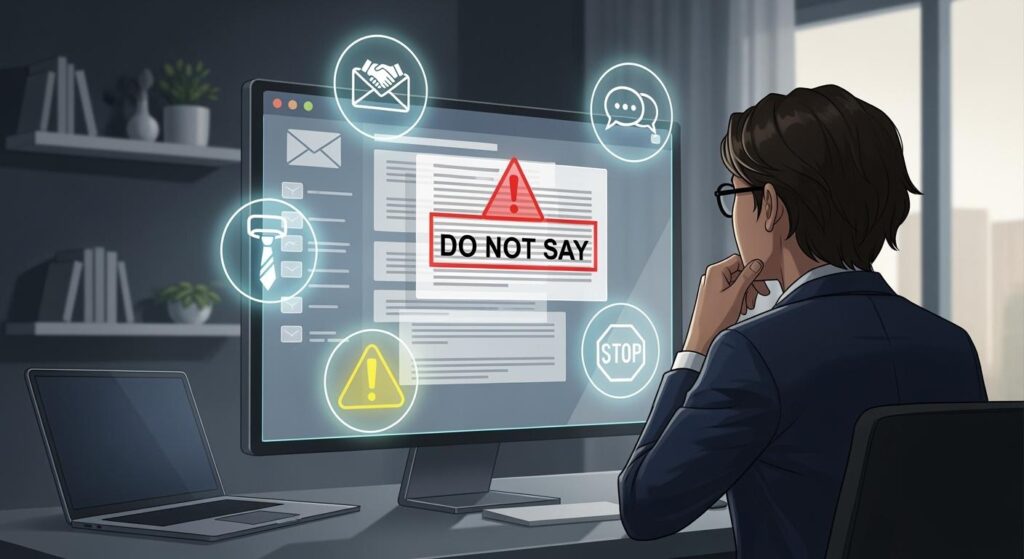
Pour toute entreprise, comprendre les besoins et les attentes des clients est une étape cruciale. Cela commence par une écoute attentive et une analyse approfondie des retours clients. Les entreprises doivent s’engager à mener des enquêtes régulières, à organiser des groupes de discussion et à utiliser des outils d’analyse pour recueillir des données précieuses.
Par exemple, une étude menée par le cabinet McKinsey a révélé que les entreprises qui investissent dans la compréhension des besoins de leurs clients voient une augmentation significative de leur satisfaction et de leur fidélité. De plus, il est essentiel de segmenter les clients en fonction de leurs comportements d’achat, de leurs préférences et de leurs caractéristiques démographiques. Cette segmentation permet aux entreprises de mieux cibler leurs offres et de répondre plus efficacement aux attentes spécifiques de chaque groupe.
En intégrant ces informations dans leur stratégie, les entreprises peuvent non seulement améliorer l’expérience client, mais aussi augmenter leur chiffre d’affaires. Voici un lien vers notre page sur les Campagnes multicanales.
Résumé
- Comprendre les besoins et les attentes des clients
- Offrir un service client de qualité
- Créer un programme de fidélité attractif
- Personnaliser l’expérience client
- Utiliser les réseaux sociaux pour rester en contact
Offrir un service client de qualité
Un service client de qualité est un pilier fondamental pour toute entreprise souhaitant se démarquer sur le marché. Cela implique non seulement de répondre rapidement aux demandes des clients, mais aussi de résoudre efficacement leurs problèmes. Les entreprises doivent former leur personnel à l’empathie et à la communication, afin que chaque interaction soit positive et mémorable.
Selon une étude de Zendesk, 82 % des consommateurs affirment avoir cessé d’acheter chez une entreprise en raison d’une mauvaise expérience client. En outre, il est crucial d’établir des canaux de communication variés pour que les clients puissent choisir celui qui leur convient le mieux. Que ce soit par téléphone, par e-mail ou via les réseaux sociaux, chaque point de contact doit refléter un engagement envers la satisfaction du client.
Les entreprises qui réussissent à offrir un service client exceptionnel sont souvent celles qui se distinguent par leur capacité à anticiper les besoins des clients et à dépasser leurs attentes.
Créer un programme de fidélité attractif

Un programme de fidélité bien conçu peut transformer des clients occasionnels en clients réguliers. Pour qu’un tel programme soit efficace, il doit offrir des récompenses significatives qui incitent les clients à revenir. Par exemple, Starbucks a mis en place un programme de fidélité qui permet aux clients de gagner des étoiles pour chaque achat, qu’ils peuvent ensuite échanger contre des boissons gratuites ou des offres exclusives.
Ce type d’approche crée un sentiment d’appartenance et encourage les clients à interagir davantage avec la marque. Il est également important d’adapter le programme aux préférences des clients. En utilisant des données analytiques, les entreprises peuvent personnaliser les récompenses en fonction des comportements d’achat individuels.
Cela non seulement augmente l’engagement, mais renforce également la relation entre l’entreprise et ses clients. Un programme de fidélité efficace doit être simple à comprendre et à utiliser, afin que les clients ne se sentent pas frustrés par des règles complexes.
Personnaliser l’expérience client
| Métrique | Données |
|---|---|
| Taux de satisfaction client | 85% |
| Nombre de clients fidèles | 500 |
| Nombre de plaintes reçues | 20 |
| Nombre de clients ayant personnalisé leur expérience | 300 |
La personnalisation est devenue un élément clé dans la création d’une expérience client mémorable. Les consommateurs d’aujourd’hui s’attendent à ce que les marques comprennent leurs préférences et leurs besoins uniques. En utilisant des technologies avancées telles que l’intelligence artificielle et l’analyse de données, les entreprises peuvent offrir des recommandations personnalisées basées sur l’historique d’achat et le comportement en ligne des clients.
Par exemple, Amazon utilise des algorithmes sophistiqués pour suggérer des produits qui correspondent aux intérêts spécifiques de chaque utilisateur. De plus, la personnalisation ne se limite pas seulement aux recommandations de produits. Elle peut également inclure des communications ciblées, où les entreprises envoient des messages adaptés aux intérêts et aux comportements des clients.
Cela crée une connexion plus profonde et renforce la fidélité à la marque. En fin de compte, une expérience client personnalisée peut conduire à une augmentation significative des ventes et à une meilleure satisfaction client.
Utiliser les réseaux sociaux pour rester en contact
Les réseaux sociaux sont devenus un outil incontournable pour les entreprises souhaitant interagir avec leurs clients. Ces plateformes offrent une opportunité unique de créer un dialogue ouvert et authentique avec le public. En partageant du contenu engageant et en répondant rapidement aux commentaires et aux messages, les entreprises peuvent renforcer leur image de marque et établir une communauté fidèle autour de leurs produits ou services.
De plus, les réseaux sociaux permettent aux entreprises de recueillir des retours en temps réel sur leurs offres. En surveillant les mentions et les discussions autour de la marque, elles peuvent identifier rapidement les problèmes potentiels et y remédier avant qu’ils ne deviennent critiques.
Récompenser la fidélité des clients

Récompenser la fidélité des clients est essentiel pour maintenir une relation durable avec eux. Les entreprises doivent mettre en place des initiatives qui reconnaissent et célèbrent la fidélité de leurs clients. Cela peut inclure des remises exclusives, des avant-premières sur de nouveaux produits ou même des invitations à des événements spéciaux.
Par exemple, Sephora offre à ses membres du programme Beauty Insider des points pour chaque achat, qu’ils peuvent échanger contre des produits gratuits ou des expériences uniques. En outre, il est important que ces récompenses soient perçues comme authentiques et significatives par les clients. Les entreprises doivent s’assurer que leurs initiatives de fidélisation sont alignées sur les valeurs et les attentes de leur public cible.
En créant un sentiment d’appréciation authentique, elles peuvent renforcer la loyauté et encourager le bouche-à-oreille positif.
Suivre et analyser les données client
La collecte et l’analyse des données client sont essentielles pour comprendre le comportement d’achat et améliorer l’expérience client. Les entreprises doivent investir dans des outils d’analyse avancés qui leur permettent de suivre les interactions avec les clients à travers différents canaux. Cela inclut l’analyse du parcours client, l’identification des points de friction et la mesure de la satisfaction globale.
En utilisant ces données, les entreprises peuvent prendre des décisions éclairées sur leurs stratégies marketing et opérationnelles. Par exemple, une étude menée par HubSpot a révélé que 63 % des entreprises qui utilisent l’analyse de données pour guider leurs décisions constatent une amélioration significative de leur performance commerciale. En intégrant ces informations dans leur processus décisionnel, elles peuvent mieux répondre aux besoins changeants de leurs clients.
Impliquer les clients dans le processus d’amélioration
Impliquer les clients dans le processus d’amélioration est une stratégie puissante pour renforcer la fidélité et l’engagement. Les entreprises peuvent solliciter activement les retours d’expérience des clients sur leurs produits ou services, en organisant par exemple des sondages ou en créant des panels consultatifs. Cela permet non seulement d’obtenir des informations précieuses, mais aussi de faire sentir aux clients qu’ils ont un impact direct sur l’évolution de la marque.
De plus, en mettant en œuvre certaines suggestions ou idées proposées par les clients, les entreprises montrent qu’elles valorisent leur opinion. Cela crée un lien émotionnel fort entre la marque et ses consommateurs, renforçant ainsi la fidélité à long terme. Une étude menée par Nielsen a révélé que 66 % des consommateurs sont prêts à partager leurs opinions avec une marque si cela signifie qu’ils peuvent influencer son développement.
Créer une communication transparente
La transparence est devenue un impératif dans le monde commercial moderne. Les consommateurs recherchent des marques qui sont honnêtes sur leurs pratiques commerciales, leurs valeurs et leurs produits. En communiquant ouvertement sur les processus internes, les politiques de durabilité ou même les erreurs commises, les entreprises peuvent établir une relation de confiance avec leurs clients.
De plus, une communication transparente aide à gérer les attentes des clients et à éviter les malentendus. Par exemple, si une entreprise rencontre un retard dans la livraison d’un produit, il est préférable d’informer proactivement les clients plutôt que d’attendre qu’ils se plaignent. Cette approche démontre un engagement envers la satisfaction du client et peut transformer une situation potentiellement négative en une opportunité d’amélioration.
Fournir des avantages exclusifs aux clients fidèles
Offrir des avantages exclusifs aux clients fidèles est une stratégie efficace pour renforcer leur engagement envers la marque. Ces avantages peuvent prendre différentes formes : accès anticipé à de nouveaux produits, invitations à des événements privés ou encore promotions spéciales réservées aux membres fidèles. Par exemple, Nike propose à ses membres du programme NikePlus un accès exclusif à certaines collections limitées.
Ces avantages créent un sentiment d’appartenance et incitent les clients à rester fidèles à la marque plutôt qu’à se tourner vers la concurrence. De plus, en communiquant régulièrement sur ces offres exclusives via des newsletters ou sur les réseaux sociaux, les entreprises peuvent maintenir l’intérêt et l’engagement de leur clientèle.
Former et motiver le personnel pour offrir un service client exceptionnel
La qualité du service client repose en grande partie sur le personnel qui interagit directement avec les clients. Il est donc essentiel que les entreprises investissent dans la formation continue de leurs employés pour garantir qu’ils disposent des compétences nécessaires pour offrir un service exceptionnel. Cela inclut non seulement la formation technique sur les produits ou services, mais aussi le développement de compétences interpersonnelles telles que l’empathie et la résolution de conflits.
De plus, motiver le personnel est tout aussi important que sa formation. Des employés motivés sont plus susceptibles d’offrir un service client exceptionnel et d’aller au-delà pour satisfaire les besoins des clients. Les entreprises peuvent mettre en place des programmes de reconnaissance ou offrir des incitations basées sur la performance pour encourager un service client proactif et positif.
En conclusion, chaque aspect du parcours client doit être soigneusement conçu pour garantir une expérience positive et mémorable. En comprenant les besoins des clients, en offrant un service exceptionnel et en créant un environnement où ils se sentent valorisés, les entreprises peuvent non seulement fidéliser leur clientèle mais aussi se démarquer dans un marché compétitif.
Pour fidéliser vos clients, il est essentiel d’acquérir des leads de qualité. Selon un article de Magileads intitulé “Comment acquérir des leads de qualité”, il est important de cibler les prospects les plus susceptibles de devenir des clients fidèles. De plus, l’utilisation des réseaux sociaux peut également être un outil efficace pour fidéliser la clientèle, comme mentionné dans l’article “Réseaux sociaux et clients”. Enfin, le copywriting peut jouer un rôle crucial dans la conversion des leads en clients fidèles, comme expliqué dans l’article “Copywriting et conversion”. En combinant ces différentes stratégies, vous pourrez renforcer la fidélisation de vos clients et augmenter la rentabilité de votre entreprise.
Créez votre compte gratuitement
FAQs
Qu’est-ce que la fidélisation client?
La fidélisation client est une stratégie marketing visant à maintenir et à renforcer la relation entre une entreprise et ses clients existants, dans le but de les inciter à rester fidèles à la marque et à continuer à acheter ses produits ou services.
Pourquoi la fidélisation client est-elle importante?
La fidélisation client est importante car elle permet de maintenir la rentabilité de l’entreprise en encourageant les clients existants à effectuer des achats répétés, tout en réduisant les coûts liés à l’acquisition de nouveaux clients. De plus, des clients fidèles sont plus susceptibles de recommander l’entreprise à leur entourage.
Quels sont les avantages de la fidélisation client pour une entreprise?
Les avantages de la fidélisation client pour une entreprise incluent une augmentation du chiffre d’affaires grâce aux achats répétés des clients fidèles, une réduction des coûts liés à l’acquisition de nouveaux clients, une meilleure réputation de la marque et une plus grande résilience face à la concurrence.
Quels sont les outils et stratégies de fidélisation client les plus couramment utilisés?
Les outils et stratégies de fidélisation client les plus couramment utilisés incluent les programmes de fidélité, les offres promotionnelles personnalisées, la communication régulière avec les clients via les réseaux sociaux ou les newsletters, ainsi que le service client de qualité.
Comment mesurer l’efficacité d’une stratégie de fidélisation client?
L’efficacité d’une stratégie de fidélisation client peut être mesurée à l’aide de différents indicateurs tels que le taux de fidélisation, le taux de rétention des clients, la valeur moyenne des achats par client, le taux de recommandation et la satisfaction client.