In the world of sales, email prospecting sequences play a crucial role. You might be wondering how many emails to send to maximize your chances of success. A well-calibrated sequence can triple your response rate, jumping from 9% to 27% with just 4 to 7 emails. By personalizing your emails, you can increase your open rate by 30% . An effective email prospecting sequence allows you to engage your prospects in a relevant and personalized way, thus increasing your chances of conversion.
Understanding the prospecting sequence
Definition and objectives
What is a prospecting sequence?
A prospecting sequence is a series of emails sent to potential customers to engage them and convert them into clients. You use this method to establish initial contact and maintain the prospect's interest. Each email in the sequence has a specific purpose, whether it's to introduce your product, address objections, or offer a demo. By implementing a well-structured email prospecting sequence, you can increase your chances of success.
Why is it crucial for sales?
The prospecting sequence plays a crucial role in the sales process. It allows you to stay top of mind with the prospect without being intrusive. A well-executed sequence can triple response rates , as email prospecting experts indicate. By multiplying touchpoints, you increase the likelihood that the prospect will respond positively to your offer. An effective email prospecting sequence is a powerful tool for expanding your customer base and boosting sales.
↗️ Discover in this video how Magileads can take your agency to the next level:
Components of an effective sequence
Types of emails to include
To maximize the effectiveness of your sequence, you should include different types of emails. Here are a few examples:
Introductory email : Introduce yourself and briefly explain the reason for your contact.
Follow-up email: Remind the prospect of your previous email and offer added value.
Testimonial email : Share success stories from satisfied customers.
Special offer email : Offer a limited-time deal to encourage action.
By diversifying the types of emails, you maintain the prospect's interest throughout the email-prospecting sequence.
Timing and frequency of shipments
The timing and frequency of your emails are crucial to avoid overwhelming the prospect. You should space them out over several weeks. For example, start with an introductory email, then send a follow-up a few days later. Continue with a testimonial email the following week. This approach maintains interest without being too pushy. A well-calibrated email prospecting sequence respects the prospect's pace while maximizing the chances of conversion.
Factors influencing the number of emails
Nature of the product or service
Product complexity
The complexity of your product directly influences the number of emails in your prospecting email sequence. A complex product requires more explanation. You should send several emails to detail its features and benefits. Each email should address a specific aspect of the product. This helps the prospect understand how your product meets their needs. A well-structured sequence helps dispel doubts and build trust with the prospect.
Typical sales cycle
Your product's sales cycle also determines the length of your email prospecting sequence. A long sales cycle requires more touchpoints. You need to maintain the prospect's interest over an extended period. Send emails at regular intervals to stay top of mind. A short sales cycle, on the other hand, requires a more concise sequence. Adjust the number of emails based on the typical length of your sales cycle to maximize effectiveness.
Prospect behavior and preferences
Analysis of response data
Analyzing response data helps you adjust your email prospecting sequence. Monitor open and click-through rates to understand what's working. If an email generates few responses, modify its content or timing. The data also tells you how many emails are needed to engage your prospects. Use this information to refine your strategy and increase your chances of success.
Prospect segmentation
Lead segmentation is crucial for effective email prospecting sequences. Divide your leads into groups based on their behaviors and preferences. Tailor the content of your emails to each segment. For example, a lead interested in a specific feature will receive emails focused on that aspect. This personalization increases engagement and improves conversion rates. A well-segmented sequence better meets the needs of each lead.
How to determine the optimal number of emails
To optimize your email prospecting sequence, you need to determine the ideal number of emails to send. This section guides you through the essential steps to achieve this.
Analyze historical data
Analyzing historical data is crucial to understanding the effectiveness of your email-sequence-prospecting.
Open and click-through rates
Start by examining the open and click-through rates of your previous emails. These metrics show you the initial interest prospects have in your messages. A high open rate means your email subject line is engaging. A high click-through rate indicates that your email content encourages action. Compare these rates for each email in your sequence. This will help you identify the emails that most captivate your prospects.
Conversion rate
The conversion rate is another key metric. It measures the number of prospects who take action after receiving your emails. Analyze the conversion rates for each email in your sequence. An email with a high conversion rate is effective at turning interest into action. By comparing open and conversion rates , you can adjust your email prospecting sequence to maximize results.
Test and adjust
Testing and adjusting your strategy is essential to refining your email-sequence-prospecting.
A/B testing
A/B testing is an effective method for testing different versions of your emails. Create two versions of each email with variations in content, subject line, or design. Send them to similar segments of your prospect list. Compare the performance of the two versions in terms of open and conversion rates . This approach allows you to identify the elements that work best and optimize your email sequence.
Adjustments based on results
After analyzing your test results, adjust your email prospecting sequence accordingly. If an email isn't generating the expected results, modify its content or timing. Sometimes, a simple change to the subject line or call to action can make a big difference. Continue testing and adjusting until you find the optimal combination that engages your prospects and maximizes your conversions.
Strategies to maximize email effectiveness
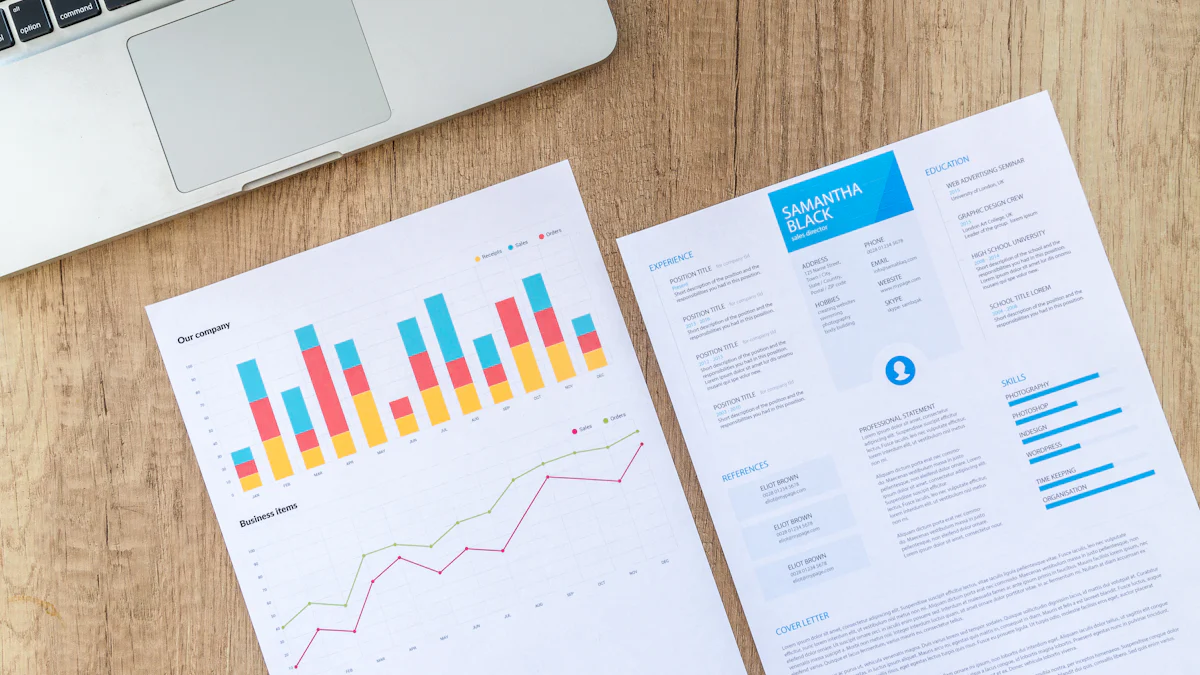
To maximize the effectiveness of your email prospecting sequence, it's essential to focus on personalization and relevance, as well as email copywriting and design. These strategies will help you capture your prospects' attention and increase your conversion rates.
Personalization and relevance
Use of customer data
You need to leverage customer data to personalize your emails. By incorporating specific information about the prospect, you make each message more relevant. For example, use merge tags to insert the recipient's name or details about their preferences. This approach increases open rates and engagement. Personalized emails demonstrate that you understand your prospects' needs, which strengthens their interest in your offer.
Adapting the message to the prospect
Tailor the content of each email based on your prospects' reactions and behaviors. If a prospect shows interest in a particular aspect of your product, focus on that element in your future communications. This personalization improves the relevance of your email prospecting sequence and increases your conversion rates. By adjusting your message, you demonstrate that you are attentive to each prospect's specific needs.
Email writing and design
Tips for an eye-catching item
The subject line of your email plays a crucial role in whether your messages are opened. Use personalized subject lines to capture the attention of your prospects. A well-crafted subject line can significantly increase open rates. Avoid generic phrases and opt for wording that sparks curiosity or offers added value. A compelling subject line is the first step in engaging your prospects in your email prospecting sequence.
The importance of an attractive design
The design of your emails also influences their effectiveness. An attractive and professional design strengthens the credibility of your message. Use high-quality images and clear formatting to make your emails visually appealing. Ensure the design is consistent with your brand and easy to read. Good design encourages prospects to read your entire email and take action. By paying attention to the appearance of your emails, you maximize the impact of your email marketing campaign.
Common mistakes to avoid
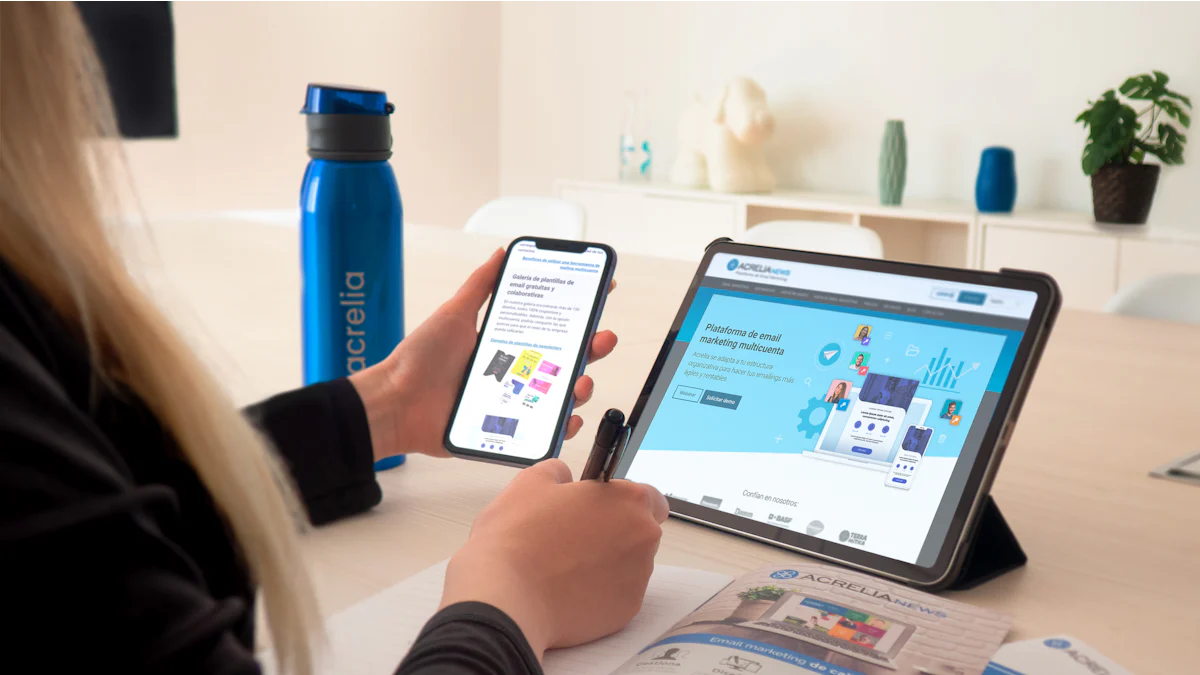
In your email-sequence-prospecting strategy, certain mistakes can hinder your effectiveness. Here's how to avoid them to maximize your results.
Oversending of emails
Consequences of excessive emails
Sending too many emails can quickly become counterproductive. You risk overwhelming your prospects, which may lead them to ignore your messages or, worse, unsubscribe. Excessive email can also damage your brand reputation. Prospects may perceive your company as intrusive, which can reduce their interest in your offers. Maintain a balance between sending frequency and content relevance to avoid these pitfalls.
Warning signs to watch for
To avoid over-sending, pay attention to certain warning signs. A high unsubscribe rate or an increase in spam complaints indicates that you're sending too many emails. Also, monitor open and click-through rates. A drop in these metrics may signal that your prospects are losing interest in your messages. Adjust your strategy based on this data to maintain prospect engagement.
Lack of follow-up
Importance of follow-up after the sequence
Following up after an email sequence is crucial for converting initial interest into concrete action. Without follow-up, you risk missing out on conversion opportunities. Effective follow-up shows your prospects that you are attentive to their needs and ready to support them throughout their buying process. This strengthens the relationship of trust and increases your chances of closing a sale.
Effective monitoring techniques
For successful follow-up, use proven techniques. Send a thank-you email after the sequence to express your gratitude and reiterate your availability. Offer additional content, such as case studies or testimonials, to further engage the prospect. Also, use phone calls or personalized messages to establish direct contact. These follow-up techniques help you maintain engagement and maximize conversions in your email prospecting sequence.
In conclusion, you should remember a few key points to optimize your email prospecting sequence. A well-calibrated sequence of 5 to 10 emails can triple your response rates. Continuous adaptation is crucial. You must adjust your emails based on performance data and A/B testing . This allows you to constantly improve your campaigns. Finally, don't hesitate to test and optimize your sequences. This approach will help you maximize engagement and conversions from your prospects.
—————————
Magileads is a prospecting automation software that allows you to easily manage all the complex aspects of your marketing processes.
Try Magileads free for 14 days. Click here .
Or book a demo to see how it works. Click here .