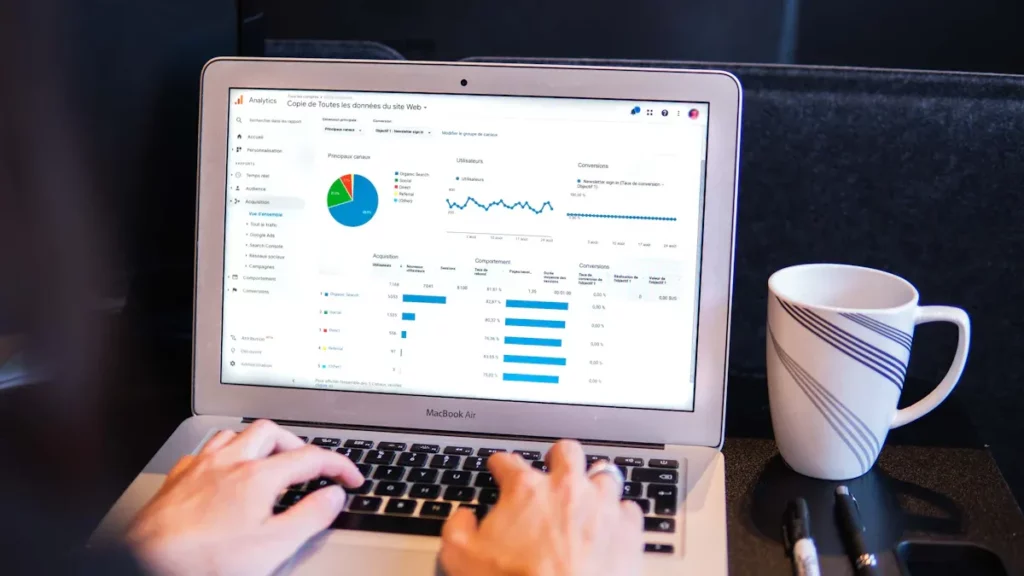
Business phone software is a technological tool designed to facilitate and optimize telephone calls in a professional setting. It allows companies to manage their communications more effectively by integrating features such as contact management, call recording, and performance analysis. This software is often used by sales, customer support, and marketing teams to improve productivity and the quality of customer interactions.
In essence, business call software transforms how companies interact with their potential and existing customers. With user-friendly interfaces and advanced features, these tools allow users to make calls faster, track the results of their efforts, and optimize their sales approach. By integrating these solutions into their daily operations, businesses can not only save time but also improve their conversion rates. Here's a helpful resource to enhance your B2B sales prospecting: B2B sales prospecting .
Summary
- Commercial telephony software is a tool used by businesses to manage and automate their sales calls.
- The benefits of using commercial telephony software include increased productivity, efficient contact management, and the ability to track sales team performance.
- To choose the right phone software for your business, it is important to consider the specific needs of your sales team and look for features such as CRM integration and call personalization.
- Key features to look for in commercial phone software include call list management, call recording, performance tracking , and the ability to create custom scripts.
- Phone software can help increase your sales by improving call quality, targeting potential prospects, and providing analytical data to optimize sales strategies .
The advantages of using commercial phone software
Centralized contact management
First, these tools allow for centralized contact management, which facilitates access to crucial information during calls.
Automation of repetitive tasks
Furthermore, business call software often offers automation features that reduce the time spent on repetitive tasks. For example, the ability to automate call follow-up or send emails after a conversation can free up time for salespeople to focus on higher-value activities.
Improvement of sales performance
As a result, this can lead to a significant increase in business performance.
How to choose the right phone system software for your business

Choosing the right phone system software for your business requires a careful assessment of your specific needs. It's essential to consider the size of your team, the volume of calls you anticipate making, and the features that are crucial to your business. For example, a small business might prefer simple and affordable software, while a large company might require advanced features such as CRM integration or data analytics.
It is also recommended to read user reviews and request demonstrations before making a decision. Experts like Jean-Pierre Dupont, a business technology consultant, emphasize the importance of evaluating the software's usability and the customer support offered by the vendor. A positive user experience can make all the difference in the software's adoption and effectiveness within your team.
Essential features to look for in business telephony software
| Features | Description |
|---|---|
| Automatic number dialing | Allows the software to automatically dial the numbers to call, which increases agent productivity. |
| Call recording | The ability to record calls for training, compliance, or quality monitoring purposes. |
| CRM integration | The ability to connect to CRM software to access customer information and record interactions. |
| Call scenarios | The ability to create and track call scenarios to standardize interactions with customers. |
| Reports and analytics | Generating detailed reports on agent performance, call results, and trends. |
When choosing sales call software, certain features are essential to ensure optimal use. First, the call recording function is crucial for analyzing performance and improving sales techniques. This allows teams to listen back to their conversations and identify areas for improvement.
Next, integration with other tools like CRM (Customer Relationship Management) systems is essential for centralizing customer information and tracking interactions. Furthermore, features such as an auto-dialer, which automatically dials numbers to reduce wait times between calls, can significantly increase productivity. Finally, an analytics dashboard that provides performance reports can help adjust business strategies in real time.
How can phone system software help increase your sales?
Sales call software can be a real catalyst for increasing your sales. By optimizing the calling process, it allows sales teams to make more calls in less time, thus increasing sales opportunities. For example, through the automation of repetitive tasks and efficient contact management, salespeople can focus on conversion rather than administration.
Furthermore, access to real-time data allows teams to tailor their messaging to meet specific customer needs. By personalizing each interaction with information gathered from previous exchanges, sales representatives can build trust with prospects, which is often a deciding factor in the buying process. Ultimately, this customer-centric approach can lead to a significant increase in conversion rates.
Best practices for using business phone software effectively

Team formation
First, it is crucial to properly train your team on how to use the software. A good understanding of the available features will allow users to fully utilize the tool and improve their efficiency.
Flexible calling script
Next, it is recommended to establish a flexible call script that guides sales representatives while allowing them the freedom to adapt their approach based on customer reactions. This not only ensures consistency in the messages conveyed but also encourages a more natural and engaging approach during conversations.
Performance Analysis
Finally, it is important to regularly analyze performance using the analytical tools provided by the software in order to identify areas for improvement.
Mistakes to avoid when using commercial telephony software
Despite its many advantages, using business phone software can lead to some common mistakes that should be avoided. One of the most frequent is a lack of personalization in customer interactions. Using a rigid script or failing to consider the customer's specific needs can harm engagement and the business relationship.
Another common mistake is neglecting the analytical data provided by the software. Ignoring this information can prevent sales teams from identifying trends and opportunities for improvement. Finally, it's essential not to underestimate the importance of follow-up after a call.
Proper follow-up can make all the difference in converting a prospect into a customer.
How to integrate phone software into your sales strategy
Integrating phone system software into your sales requires a thoughtful and structured approach. First, it's important to align this tool with your overall business objectives. This means clearly defining how the software will contribute to achieving your sales and customer relationship goals.
Next, it's essential to involve all stakeholders in the integration process. This includes not only the sales team, but also the marketing and customer support departments. Cross-departmental collaboration can ensure the software is used effectively and that all teams benefit from shared information.
Finally, it is crucial to regularly assess the impact of the software on your business performance in order to adjust your strategy if necessary.
Current trends in the field of commercial telephony software
The field of call software is evolving rapidly with the emergence of new technologies and trends. One major trend is the increasing integration of artificial intelligence (AI) into these tools. AI not only automates certain tasks but also analyzes customer behavior to provide personalized recommendations to sales teams.
Another important trend is the emphasis on user experience (UX). Vendors are striving to create more intuitive interfaces that make it easier for sales teams to use the software on a daily basis. Furthermore, with the rise of remote work , the ability to access software from anywhere is becoming essential for maintaining the productivity of geographically dispersed teams.
Testimonials from customers who used phone software to boost their sales
Many customers have shared their positive experiences after integrating telephony software into their sales strategy. For example, Sophie Martin, Sales Manager at TechSolutions, stated: “Since we started using our new telephony software, our conversion rate has increased by 30%. Automation has allowed us to focus on what really matters: our customers.” Another testimonial comes from Marc Dupuis, Marketing Director at Innovatech: “Integrating the software has transformed the way we interact with our prospects.”.
We were able to personalize our approaches thanks to the data collected, and this had a direct impact on our sales.” These testimonials clearly illustrate how good software can truly transform a business.
The costs associated with using business phone software and how to maximize your return on investment
The costs associated with using business phone software can vary considerably depending on the features chosen and the selected provider. It's important to evaluate not only the initial cost of the software but also recurring fees such as monthly or annual subscriptions and the cost of technical support. To maximize return on investment (ROI), it's essential to fully utilize all the software's features.
This includes ongoing training for teams to ensure they are making the most of the tool. Furthermore, it is recommended to regularly analyze sales performance to adjust strategies based on the results achieved with the software. By adopting a proactive and analytical approach, companies can ensure they are getting the most out of their investment in sales call software.
In conclusion, business telephony software is a major asset for any company looking to optimize its sales processes and increase sales. By choosing this tool wisely and adopting best practices for its use, it is possible not only to improve operational efficiency but also to significantly increase customer satisfaction and overall revenue.
To optimize your sales tracking with prospecting software, you can consult the article “Optimize your sales tracking with prospecting software” on the Magileads website. This tool will allow you to effectively manage your leads and improve your sales performance. Furthermore, to generate quality leads, you can also read the article “How to generate quality leads,” which will give you practical tips to increase your conversion rate.
FAQs
What is commercial telephony software?
Business telephony software is a computer tool designed to help companies manage their outbound phone calls as part of their business activities. It can be used for prospecting, appointment setting, lead qualification, telephone sales, and more.
What are the common features of commercial phone software?
Common features of commercial phone software include contact management , call recording, call scheduling, performance tracking, call script management, integration with other customer relationship management (CRM) tools, etc.
What are the advantages of using commercial phone software?
The advantages of using commercial telephony software include optimizing salespeople's time, improving productivity, effectively tracking calls , personalizing interactions with prospects and customers, analyzing performance, etc.
How to choose the right business telephony software for your company?
To choose the right business phone software for your company, it's important to consider the company's specific needs, the software's features, the user interface, integration with other tools, customer support, cost, and more. It's recommended to test several options before making a decision.