
Business intelligence, often referred to by its English name, encompasses all the techniques and tools used to collect, analyze, and interpret business data. In other words, it's a process that transforms raw data into actionable insights to help businesses make informed decisions. You can think of business intelligence as a compass that guides your company through a complex and constantly evolving business environment.
This discipline encompasses various aspects, such as sales performance analysis, understanding market trends, and competitive assessment. By integrating these elements, you can better anticipate your customers' needs and adapt your strategies accordingly. Business intelligence is not limited to simply collecting data; it also involves critically reflecting on that information to draw relevant conclusions. Here is a link to our page on Multichannel Campaigns .
Summary
- Business intelligence involves collecting, analyzing, and using data to improve business performance.
- The benefits of business intelligence include better decision-making, a deeper understanding of customers, and optimization of business processes.
- Tools and technologies such as CRMs, data analytics software, and marketing automation platforms are essential for maximizing sales.
- Using data makes it possible to identify trends, forecast demand, and adapt business strategies to improve performance.
- Customer knowledge is crucial in business intelligence because it allows for the personalization of offers, the anticipation of needs, and customer loyalty.
The benefits of business intelligence for your company
One of the main advantages of business intelligence is improved decision-making. By having access to accurate and up-to-date data, you can assess your company's performance and identify areas for improvement. This allows you to react quickly to market changes and adjust your strategies in real time.
For example, if you notice a decline in sales in a particular segment, you can explore the underlying reasons and implement corrective actions. Furthermore, business intelligence fosters a deeper understanding of your customers. By analyzing consumer purchasing behavior and preferences, you can personalize your offers and enhance the customer experience.
This can translate into increased customer satisfaction and, consequently, greater loyalty. In short, business intelligence allows you not only to optimize your internal operations but also to build stronger relationships with your customers.
Tools and technologies to maximize your sales
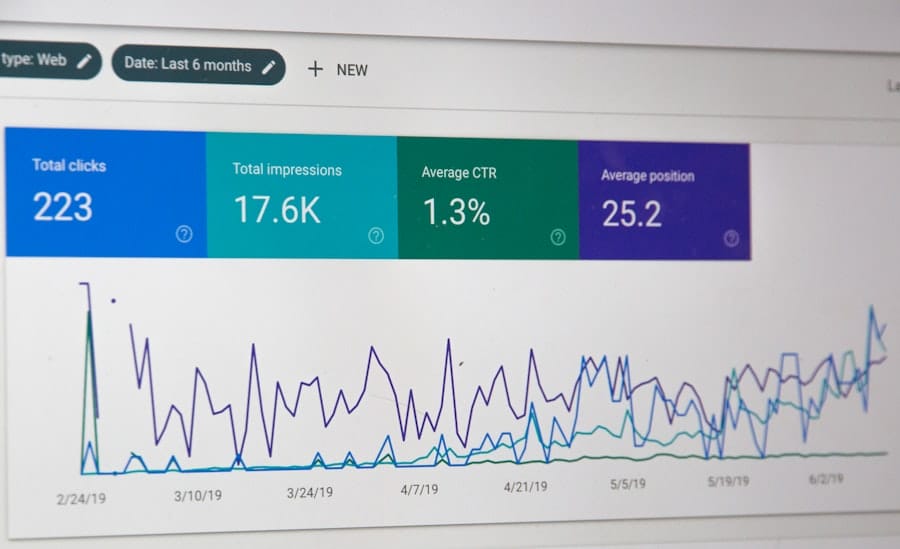 To fully leverage business intelligence, using the right tools and technologies is essential. Numerous software solutions are available, ranging from customer relationship management (CRM) systems to data analytics platforms. These tools help you centralize customer information, track their interactions with your business, and analyze sales trends.
By using these technologies, you can automate certain tasks, allowing you to focus on higher-value activities. Furthermore, artificial intelligence (AI) are gaining popularity in the field of business intelligence. These technologies can analyze massive volumes of data in record time, identifying patterns you might otherwise miss.
For example, an AI algorithm can predict which products will be popular in the near future based on past purchasing behavior. By integrating these tools into your business strategy, you can not only maximize your sales but also anticipate your customers' future needs.
How to use data to improve your business performance
| Metric | Data |
|---|---|
| Conversion rate | 20% |
| Turnover | €100,000 |
| Number of customers | 500 |
| Number of sales | 100 |
The effective use of data is crucial for improving your business performance. To begin, it's important to clearly define your business objectives. What do you want to achieve? Increase sales? Improve customer satisfaction? Once you've established your objectives, you can determine which data is relevant to your analysis. This might include information on sales, customer behavior, or even economic data. Next, it's essential to analyze this data thoroughly. This involves not only looking at the raw numbers but also interpreting what they mean for your business. For example, if you notice an increase in sales in a specific region, it might be worthwhile to explore the reasons behind this success.
Is there a change in consumer behavior? By answering these questions, you can adjust your strategies to capitalize on these opportunities.
The importance of customer knowledge in business intelligence
Customer knowledge is at the heart of business intelligence. Understanding who your customers are, what they want, and how they interact with your brand is essential for developing effective strategies. By collecting data about your customers, such as their purchasing preferences and online behavior, you can create detailed profiles that will help you personalize your offers.
Furthermore, this in-depth knowledge allows you to anticipate your customers' future needs. For example, if you notice that a particular segment of your customer base regularly buys a certain type of product, you can consider expanding your product range or offering targeted promotions. Ultimately, a good understanding of your customers not only strengthens your ability to sell but also to build lasting relationships with them.
Pricing strategies to optimize your sales

Customers' perceptions of value
You must also consider how your customers perceive the value of your offering. There are several approaches to establishing an effective pricing strategy.
Dynamic pricing, a suitable solution
For example, dynamic pricing allows you to adjust prices in real time based on market demand. This can be especially useful in highly competitive sectors where prices fluctuate frequently. By experimenting with different pricing strategies and analyzing their impact on your sales, you can find the model that works best for your business.
The impact of business intelligence on customer loyalty
Business intelligence plays a crucial role in customer loyalty. By using data to better understand your customers and their needs, you can create personalized experiences that strengthen their engagement with your brand. For example, by analyzing past purchasing behavior, you can offer personalized recommendations that encourage repeat business.
Furthermore, effective business intelligence allows you to quickly identify at-risk customers who might be considering leaving your business. By proactively addressing their concerns or offering special incentives, you can increase your chances of retaining them. Ultimately, a business intelligence-driven approach not only helps attract new customers but also retains existing ones.
The essential skills for developing effective business intelligence
To develop effective business intelligence within your company, certain skills are essential. First and foremost, analytical skills are paramount. You must be able to interpret data and draw meaningful conclusions from it.
This requires a thorough understanding of analytical tools and the ability to ask the right questions. Communication is also essential. Once you have analyzed the data and identified potential opportunities or problems, it is crucial to share this information with your team and stakeholders.
Good communication ensures that everyone is aligned on business objectives and can work together to achieve those objectives.
Steps to implement a business intelligence strategy
Implementing a business intelligence strategy requires a methodical approach. The first step is to clearly define your business objectives and identify the key performance indicators (KPIs) that will allow you to measure your success. Next, it's important to collect relevant data from various internal and external sources.
Once you've gathered this data, the next step is to analyze it to extract actionable insights. This may involve using advanced analytical tools or even hiring data science experts if necessary. Finally, it's crucial to integrate these insights into your decision-making process so that every action you take is guided by solid data.
Mistakes to avoid when implementing business intelligence
When implementing a business intelligence strategy, certain common mistakes can undermine your efforts. One of the most frequent is a lack of clarity in defining business objectives. If you don't know exactly what you want to achieve with your business intelligence strategy, it will be difficult to assess its effectiveness.
Another common mistake is neglecting the quality of the data collected. Inaccurate or outdated data can lead to erroneous conclusions and ill-informed decisions. Therefore, it is essential to establish a rigorous process to ensure that the data used is reliable and relevant.
Current trends in business intelligence
Business intelligence is evolving rapidly with technological advancements and changes in consumer behavior. Currently, the use of artificial intelligence and machine learning is booming in this field. These technologies allow companies to analyze massive volumes of data in real time and identify emerging trends faster than ever before.
Furthermore, personalization is becoming a major focus in business intelligence. Consumers now expect tailored experiences that meet their specific needs. By integrating these trends into your business intelligence strategy, you will be better positioned to meet growing market expectations and remain competitive in a dynamic business environment.