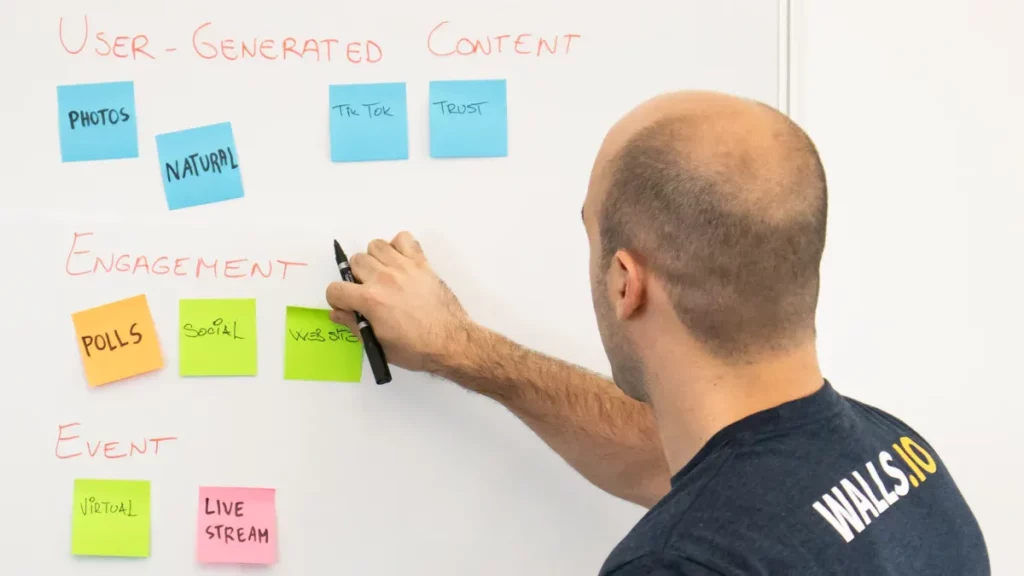

Understanding and Applying Growth Marketing – What is Growth Marketing?
Growth marketing is a revolutionary approach that transforms how businesses achieve growth. What is growth marketing? It blends traditional models with innovative strategies for growth . Growth marketing encompasses the use of data to optimize every stage of the customer journey. Growth marketing employs a variety of techniques to maximize impact. Growth marketing has never been more crucial in today's environment. Growth marketing strategies are diverse and offer unique opportunities for every business.
What is Growth Marketing?
Definition and Origins – Understanding and Applying
History of the concept
Growth marketing is a modern approach that emerged in response to the rapid evolution of consumer behavior. In the 1960s , the classic 4Ps marketing strategy dominated. However, the need for a more dynamic approach led to the emergence of growth marketing. Sean Ellis and Andrew Chen , emblematic figures in the field , popularized the term "growth hacker." Their innovative vision transformed how businesses approach growth. Growth marketing is a method that integrates experimentation , measurement, and optimization to achieve tangible results.
Differences between Growth and traditional marketing
Traditional marketing often relies on large-scale, linear campaigns . Television commercials, billboards, and brochures are the primary tools. The goal is to maximize reach to push the message to the consumer. In contrast, growth marketing is a data-driven strategy . This approach identifies and leverages the most effective channels for sustainable growth. Growth marketing utilizes digital tools such as data analytics and content marketing. These tools enable more personalized interaction with consumers.
Why is it essential today?
Advantages for modern businesses
Growth marketing is a strategy that offers numerous advantages to modern businesses. This approach enables rapid and sustainable growth through resource optimization. Companies can identify the most profitable channels and adjust their strategies accordingly. Growth marketing is a method that fosters innovation and adaptability. Rapid experimentation cycles allow for testing new ideas and optimizing results.
Impact on startup growth
Startups particularly benefit from growth marketing. This strategy allows them to acquire a large number of users in a short period of time. Startups can then focus on customer retention and engagement rather than acquiring new users. Growth marketing is an approach that promotes increased visibility and targeted lead generation. Startups can thus achieve their growth objectives more quickly and efficiently.
Comparison of Growth Marketing with other concepts
Growth Hacking vs. Growth Marketing
Key distinctions
Growth hacking and growth marketing are two concepts often confused. However, the main difference between growth marketing and growth hacking lies in their speed and approach. Growth hacking focuses on quick results with ingenious and inexpensive tactics. This strategy uses experimental methods to achieve short-term goals. In contrast, growth marketing favors a more comprehensive and sustainable approach . Both growth marketing and growth marketing incorporate proven techniques to ensure medium- and long-term growth.
Specific applications
Growth hacking is often used by startups looking to gain rapid brand recognition. For example, a startup might use a viral social media campaign to attract attention. This growth hacking strategy allows them to reach a large audience in a short period of time. Growth marketing and growth, on the other hand, focus on the continuous optimization of the customer journey. An established company might use data analytics to improve the user experience and increase customer loyalty. Growth marketing and growth hacking have endless applications, offering unique opportunities for every business.
Digital Marketing and Growth Marketing
Common points
Digital marketing and growth marketing are two approaches that share several similarities. Both use digital tools to achieve their objectives. Data analysis, SEO, and content marketing are key elements in both strategies. Both digital marketing and growth marketing emphasize interaction with the consumer. These strategies utilize online channels to engage and convert users.
Major differences
The difference between growth marketing and digital marketing lies in their primary objective. Digital marketing often focuses on visibility and engagement. Online advertising campaigns and social media are common tools. Growth marketing, however, focuses on sustainable business growth. Both growth marketing and digital marketing use experimentation cycles to optimize each stage of the customer journey. Growth marketing and digital marketing are distinguished by their user-centric approach and their ability to adapt quickly to market changes.
Growth Strategies and Methodologies

Main Strategies
Customer Acquisition
A growth specialist is essential for customer acquisition. An effective marketing strategy attracts potential customers using digital channels. Social media marketing and SEO play a crucial role. Growth marketing focuses on optimizing advertising campaigns. Businesses must target specific audiences to maximize impact. Growth marketing helps identify the most profitable channels.
Retention and loyalty
Customer loyalty is a priority for growth specialists. A successful marketing strategy improves the user experience. Loyalty programs and personalized offers increase customer satisfaction. Growth marketing and sales use data to tailor services to customer needs. Companies should encourage customer feedback to improve their offerings.
Proven methodologies
A/B Testing
The growth specialist is often responsible for A/B testing. This method compares two versions of a campaign to determine which is more effective. Growth marketing and sales teams use A/B testing to optimize conversions. The results provide valuable data for adjusting strategies, allowing companies to improve their click-through rates and engagement.
Conversion funnel
The conversion funnel is a key method for growth specialists. This approach tracks the customer journey from initial interest to purchase. Growth marketing and sales teams analyze each step to identify pain points. Businesses must adjust their strategies to reduce cart abandonment. Continuous funnel optimization increases conversion rates and profitability.
Growth Tools and Practical Examples

Essential Tools
Analysis tools
Analytics tools play a crucial role in growth marketing. Google Analytics allows businesses to understand user behavior on their websites. The collected data helps identify trends and adjust strategies. Seobserver offers valuable insights into SEO and keyword performance. Marketers use this information to optimize content and improve search engine rankings. LeadFeeder identifies the businesses that visit a website, enabling targeted marketing to reach potential customers.
Automation tools
Automation simplifies repetitive tasks and improves efficiency. Zapier connects different applications to automate workflows. Businesses use Mailjet to manage email campaigns and personalize messages. ActiveCampaign easily integrates with CRM systems and offers advanced features for marketing automation. Tools like Magileads automate sales processes, allowing teams to focus on more strategic tasks.
Real Case Studies
Success stories
Dropbox 's success perfectly illustrates the effectiveness of growth marketing. The company used a referral strategy to increase its user base. Each user who referred a friend received additional storage space. This approach allowed Dropbox to grow rapidly without spending heavily on advertising. Airbnb also used growth marketing to expand. The company optimized its search engine ranking and integrated social sharing features to attract more users.
Lessons learned
Businesses need to understand that an effective growth marketing strategy relies on experimentation and continuous optimization. Rapid experimentation cycles allow them to test different approaches and identify those that work best. The lessons learned from the successes of Dropbox and Airbnb demonstrate the importance of innovation and adaptability. Businesses must remain flexible and ready to adjust their strategies based on the results achieved.
Illustrations of skills with concrete examples
1. Data Analysis
1.1. Competency: Data Analysis and Interpretation
-
Description: The ability to collect, analyze, and interpret data is fundamental to understanding user behavior, evaluating campaign performance, and identifying optimization opportunities.
-
Example: Using Google Analytics to track web traffic and measure conversions, allowing marketing strategies to be adjusted based on precise insights.
1.2. Skill: Use of BI (Business Intelligence) Tools
-
Description: Master BI tools such as Tableau or Power BI to create visual reports and dashboards that facilitate strategic decision-making.
-
Example: Creating interactive dashboards to monitor KPIs (key performance indicators) and detect emerging trends.
2. Digital Marketing
2.1. Skill: SEO (Search Engine Optimization)
-
Description: Optimize site content and structures to improve search engine rankings and attract qualified organic traffic.
-
Example: Conducting SEO audits and implementing keyword strategies to improve the visibility of landing pages.
2.2. Expertise: Paid Advertising (PPC)
-
Description: Create and manage paid advertising campaigns on platforms like Google Ads and social networks to generate traffic and conversions.
-
Example: Designing targeted PPC campaigns with dynamic ads to increase conversion rates and optimize return on investment (ROI).
3. Content Creation
3.1. Skill: Writing Persuasive Content
-
Description: Write engaging and persuasive content to attract and convert prospects, including blog posts, landing pages, and marketing emails.
-
Example: Writing keyword-optimized blog articles with clear calls to action to encourage newsletter sign-ups.
3.2. Skill: Visual Content Creation
-
Description: Develop visual materials such as infographics, videos, and charts to increase engagement and understanding of content.
-
Example: Designing infographics to explain complex processes and sharing them on social media to improve visibility and engagement.
4. Conversion Optimization
4.1. Competency: A/B Testing
-
Description: Set up A/B tests to compare different versions of landing pages, emails, or ads and optimize conversion rates.
-
Example: Running A/B tests on email subject lines to determine which version generates the best open rate.
4.2. Skill: Conversion Rate Analysis
-
Description: Evaluate and optimize conversion processes to maximize the number of leads or end customers from visitors.
-
Example: Analysis of conversion funnels to identify friction points and implement improvements on payment pages.
5. Growth Strategy
5.1. Competency: Development and Execution of Growth Strategies
-
Description: Develop long-term strategies to drive business growth, using tactics such as viral marketing, partnership development, and retention initiatives.
-
Example: Launching a referral program to encourage existing customers to recommend new users.
5.2. Skill: Project Management
-
Description: Plan, execute and oversee growth marketing projects to ensure objectives are met on time and within budget.
-
Example: Coordinating the launch campaign for a new product, ensuring resource management and synchronization between marketing and sales teams.
6. Understanding the Market and the Customer
6.1. Skill: Market and Competitor Analysis
-
Description: Study the market and competitors to identify trends, opportunities, and threats.
-
Example: Conducting a SWOT (strengths, weaknesses, opportunities, threats) analysis to position your product competitively.
**6.2. Skill: Persona Research and Analysis
-
Description: Create and use detailed customer personas to target campaigns more effectively and in a more personalized way.
-
Example: Development of personas based on demographic, psychographic and behavioral data to tailor marketing messages.
7. Technology and Automation
7.1. Skill: Use of Marketing Automation Tools
-
Description: Implement and manage automation tools to improve the efficiency of marketing campaigns, such as HubSpot or Marketo.
-
Example: Setting up automated workflows to track and qualify leads based on their interactions with content.
7.2. Competency: Systems Integration
-
Description: Connect different tools and platforms for consistent data management and seamless automation of marketing processes.
-
Example: Integrating your CRM with email marketing tools to synchronize lead data and personalize campaigns.
Growth Marketing FAQs
Frequently Asked Questions
How to get started?
Getting started with growth marketing requires a clear understanding of your objectives. Identify your target audience and define precise goals. Use analytics tools to collect data on user behavior. Analyze this data to identify growth opportunities. Implement A/B testing to experiment with different strategies. Optimize campaigns based on the results. Collaborate with teams to integrate innovative approaches. Draw inspiration from successful examples like Dropbox or Airbnb to adapt your strategies.
What are the pitfalls to avoid?
Avoid focusing solely on acquiring new customers. Neglecting retention can harm long-term growth. Don't ignore the importance of data. Decisions based on assumptions can lead to failure. Avoid overly long experimentation cycles. Shorter cycles allow for more efficient strategy adjustments. Don't underestimate the importance of user experience. A poor experience can lead to abandonment. Ensure teams are working consistently toward common goals.
Growth marketing is essential for optimizing acquisition and conversion. You can maximize your growth potential by applying these strategies. Businesses must integrate growth marketing for rapid and sustainable growth . Use analytics and automation tools to improve efficiency. Adopt a user-centric approach to build customer loyalty. Each stage of the customer journey offers unique opportunities. Growth marketing is a must-have strategy for modern businesses. Take the initiative to integrate these innovative techniques today.