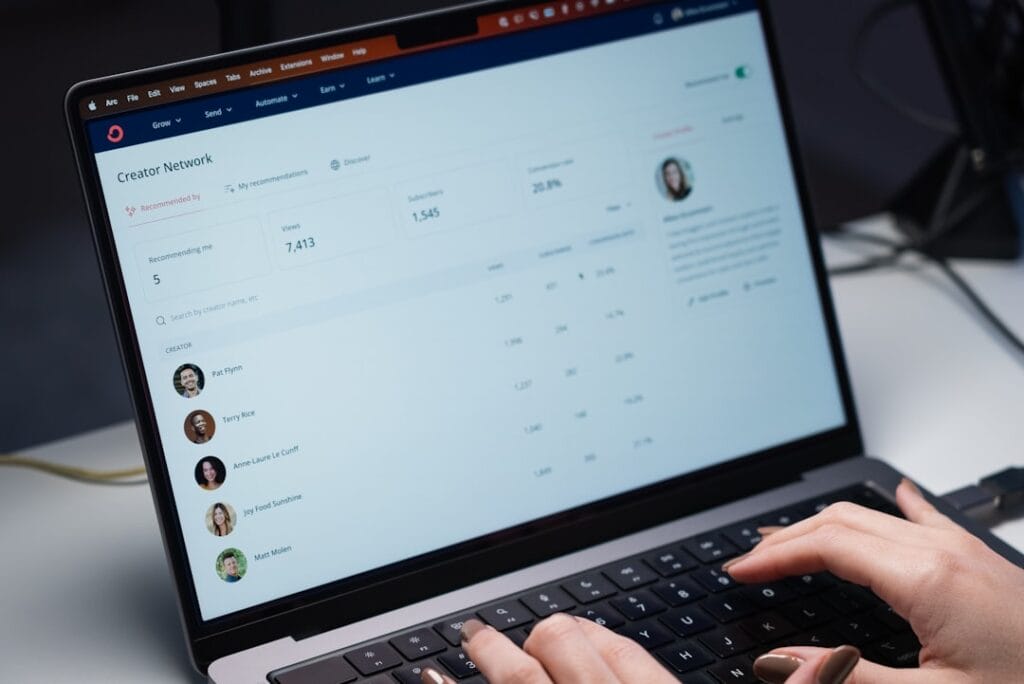
Sales engagement software is a tool designed to optimize and automate interactions between sales teams and their prospects or customers. In other words, it facilitates business relationship management by centralizing information and providing tools to track communications. This type of software allows salespeople to better understand their customers, identify sales opportunities, and improve the effectiveness of their efforts.
By integrating features such as email tracking, contact management, and performance analysis, it becomes a valuable ally in the sales process. Using sales engagement software also allows you to better organize your customer data. This means you'll have access to accurate and up-to-date information about your prospects, enabling you to personalize your approaches and increase your conversion rates.
In addition, these tools are often equipped with artificial intelligence algorithms that can analyze customer behavior and suggest actions to take, making your sales process more responsive and adapted to market needs.
One of the key benefits of sales engagement software is improved communication within your sales team. By centralizing all prospect and customer information, every team member can access the same data, reducing the risk of misunderstandings and errors. This also fosters more effective collaboration, as salespeople can share notes, strategies, and results in real time.
As a result, your team will be better aligned on common goals and able to work together to achieve optimal results. Another significant benefit is increased productivity . By automating repetitive tasks, such as sending emails or scheduling appointments, your sales representatives can focus on what really matters: building customer relationships and closing deals.
Furthermore, the software can provide reminders and alerts to ensure nothing is forgotten, contributing to time management . Ultimately, this translates into increased revenue and improved profitability for your business.
Productivity is a key element of business success, and sales engagement software can play a crucial role in improving it. By automating certain administrative tasks, such as data entry or tracking interactions , you free up time for your teams. This allows them to focus on high-value activities, such as active prospecting or developing relationships with existing customers.
As a result, your sales representatives can spend more time selling rather than dealing with administrative tasks.
You can track key indicators such as email open rates, the number of calls made, or the conversion rate of prospects into customers.
This data helps you identify areas for improvement and adjust your strategies accordingly. By having a clear understanding of what works and what doesn't, you can make informed decisions to optimize your business efforts.
When choosing sales engagement software, it's crucial to identify the features that best meet your company's specific needs. Among the essential features is contact management , which centralizes all information related to prospects and customers. This includes not only their contact details but also interaction history and notes taken by team members.
Effective contact management facilitates personalized sales approaches and enhances the customer experience. Another feature is email automation. Good software should allow for sending personalized emails in bulk while maintaining a personal touch.
This means you can segment your database and send tailored messages to each target group. Furthermore, the ability to schedule these mailings at strategic times can significantly increase open and engagement rates. Finally, don't forget to explore the built-in analytics tools that will allow you to measure the effectiveness of your campaigns and adjust your strategies in real time.
Choosing the right sales engagement software requires careful consideration of your specific needs and those of your team. Start by assessing the features you truly need. For example, if your team primarily focuses on prospecting, look for software that offers robust tools for lead management and marketing automation.
If you already have a CRM in place, make sure the software you're considering integrates seamlessly with it to avoid duplication of effort. Next, consider the software's ease of use. A complex tool can present a steep learning curve for your team, potentially hindering adoption.
Choose an intuitive solution that allows your sales team to quickly become familiar with its features. Finally, don't forget to consider the customer support offered by the provider. Good after-sales service can make all the difference when you encounter problems or need assistance to maximize the software's effectiveness.
To get the most out of your sales engagement software, it's essential to adopt certain best practices. First, ensure your team is properly trained on how to use the software. Schedule regular training sessions to familiarize your sales representatives with all the available features and show them how they can improve their daily efficiency.
Proper training ensures everyone uses the tool to its full potential. Then, foster a culture of sharing within your team. Use the software to document best practices and successes so all members can learn from each other.
For example, if a salesperson successfully closed a sale using a particular approach or a specific email template, share this information with the rest of the team. This not only promotes continuous learning but also strengthens team cohesion.
Personalization has become essential in the modern sales process, and sales engagement software can greatly facilitate this task. Thanks to its automation capabilities, you can create targeted campaigns based on customer behavior and preferences. For example, if a prospect has shown particular interest in a specific product or service, you can automatically send them relevant information or special offers related to that interest.
Furthermore, personalization isn't limited to emails or marketing messages. You can also use the software to segment your database based on various criteria such as age, geographic location, or stage of the customer journey. This allows you to tailor your sales approaches to the specific needs of each segment, thereby increasing your conversion rates.
Analytics and reporting tools are among the most valuable features offered by sales engagement software. They allow you not only to track the individual performance of each team member but also to assess the overall effectiveness of your sales strategies. With these tools, you can obtain detailed reports on various key metrics such as email open rates, the number of calls made, and lead- to-customer conversion rates.
These analyses help you identify trends and adjust your strategies accordingly. For example, if you find that a certain type of email generates a high open rate but few conversions, this may indicate that the content needs to be reworked to better meet the expectations of prospects. By using this data to make informed decisions, you can continuously improve your business processes and maximize your return on investment.
Another important aspect to consider when choosing sales engagement software is its ability to integrate with other tools you already use in your business. For example, if you already have a CRM system or a marketing automation platform, it's essential that your new software can communicate effectively with these systems. This ensures a smooth flow of information and avoids duplication of effort.
Integrations can also enrich your customer data by combining different sources of information. For example, by integrating your software with a web analytics platform, you can gain a comprehensive view of your prospects' online behavior and adapt your strategies accordingly. Ultimately, these integrations help create a cohesive ecosystem that optimizes your sales efforts.
Implementing sales engagement software requires careful planning to ensure its successful adoption by your team. The first step is to clearly define your business objectives and how the software can help you achieve them. Next, choose a timely deployment so your team can focus on training without being distracted by other priorities.
Once the software is installed, organize comprehensive training for all team members so they can familiarize themselves with its features. Use hands-on demonstrations and encourage questions to clarify any points. It can also be helpful to create a user guide or internal FAQ to assist your team in navigating the software on a daily basis.
After implementing sales engagement software in your company, you can expect several positive results that will contribute to improving your overall business performance. First, you should see a significant increase in engagement rates with your prospects and customers. Thanks to the personalization and automation offered by the software, your communications will be more relevant and tailored to the specific needs of your recipients.
Furthermore, improved productivity within your team should translate into increased overall revenue. By freeing up time for your sales representatives to focus on selling rather than repetitive administrative tasks, you maximize their potential and efficiency. Finally, thanks to the analytics tools available in the software, you will be able to regularly assess your performance and adjust your strategies accordingly to ensure continued growth in a constantly evolving business environment.
A related article on sales engagement software is the one on prospecting available on Magileads . This practical guide to creating a free email address can also be useful for professionals looking to improve their communication strategy.
FAQs
What is sales engagement software?
Sales engagement software is a platform that helps sales teams better interact with their prospects and customers. It offers features such as email management, activity tracking, call management, message personalization, and task automation.
What are the advantages of using sales engagement software?
Using sales engagement software improves the efficiency of sales teams by automating certain tasks, providing analytical data on interactions with prospects , and enabling message personalization.
What are the common features of sales engagement software?
Common features of sales engagement software include email management, activity tracking, call management, message personalization, task automation, integration with other sales tools, and report generation.
How to choose the right sales engagement software for your business?
To choose the right sales engagement software, it's important to consider the company's specific needs, the software's features, its integration with other sales tools, its ease of use, and its cost. It's also helpful to read reviews from other users and request software demonstrations.