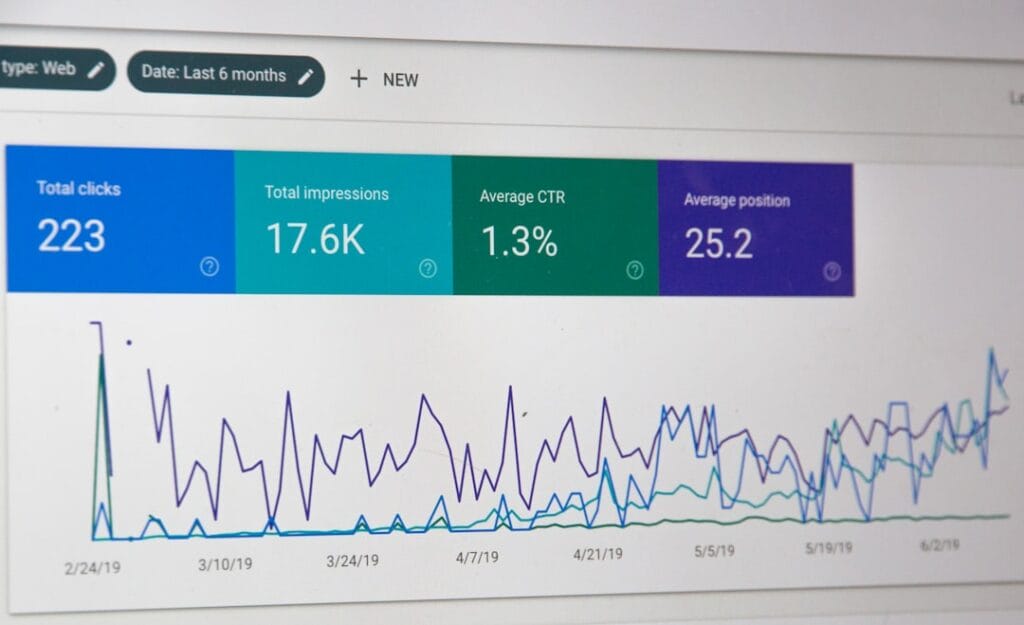
In today's dynamic and competitive business world, prospecting is essential for a company's growth and sustainability. Prospecting list tools play a crucial role in this process, allowing professionals to effectively target their efforts and optimize their time. These tools facilitate the search for qualified leads by providing accurate and relevant data on companies and individuals likely to be interested in the products or services offered.
Prospecting, whether B2B (business-to-business) or B2C (business-to-consumer), requires a strategic approach. Prospecting list not only allow you to identify potential leads but also to segment them based on various criteria, such as industry, company size, or purchasing behavior. By integrating these tools into their sales strategy, companies can improve their efficiency and increase their conversion rates.
Summary
- Prospecting list tools are software or online platforms that allow businesses to find and contact potential prospects for their products or services.
- Using prospecting list can help businesses save time, effectively target their audience, and increase their chances of conversion.
- When choosing prospecting list tools, it is important to consider criteria such as data quality, ease of use, compatibility with other software, and cost.
- To find B2B clients, the best prospecting list tools include LinkedIn Sales Navigator, ZoomInfo, and DiscoverOrg.
- To find B2C clients, the best prospecting list tools include Hunter.io, Leadfeeder, and Pipl.
The advantages of using prospecting list tools
Using prospecting list tools offers numerous advantages that can transform how a business approaches its sales efforts. First, these tools save considerable time. Instead of spending hours manually searching for prospects, professionals can access comprehensive and up-to-date databases, allowing them to focus on engaging with potential clients rather than searching for information.
Furthermore, prospecting list tools offer increased precision in targeting prospects. Thanks to advanced algorithms and customizable filters, users can refine their search to find leads that perfectly match their ideal profile. This not only increases the effectiveness of prospecting campaigns but also improves return on investment (ROI) by reducing wasted effort on unqualified prospects.
Criteria to consider when choosing prospecting list tools

Choosing the right prospecting list tool can be challenging, given the vast array of options available. It's therefore essential to evaluate several criteria before making a decision. First and foremost, data quality is paramount.
A good tool should provide accurate and up-to-date information on prospects to avoid errors that could damage the company's reputation. Furthermore, the user interface and ease of use are also key elements to consider. A complex tool can slow down the prospecting process rather than speed it up.
It is therefore best to opt for an intuitive solution that allows users to navigate easily and quickly access the necessary information. Finally, cost and customer support must also be taken into account, as good after-sales service can make all the difference in case of a problem.
The best prospecting list tools for finding B2B clients
| Tool | Benefits | Disadvantages |
|---|---|---|
| LinkedIn Sales Navigator | Large database , advanced filters, tracking features | High cost, learning curve required for optimal use |
| Hunter.io | Email address search , email address validity verification | Limit on the number of searches for free accounts |
| Leadfeeder | Website visitor identification, integration with other marketing tools | May require adjustments for optimal accuracy |
| Ahrefs | Backlink analysis, keyword research, competitor monitoring | Complex interface for beginners |
When it comes to finding B2B clients , several tools stand out for their effectiveness and popularity. LinkedIn Sales Navigator is often cited as one of the best tools for B2B prospecting. It allows users to access a vast professional network and offers advanced features for targeting specific prospects based on various criteria. Another highly regarded tool is ZoomInfo, which provides detailed data on companies and their decision-makers.
Thanks to its comprehensive database, ZoomInfo allows users to quickly identify key contacts within targeted organizations.
io makes it easier to find professional email addresses, which is essential for establishing initial contact with prospects.
The best prospecting list tools for finding B2C clients
For B2C prospecting, the needs differ somewhat compared to B2B. Tools like Facebook Ads and Google Ads are particularly effective for reaching a broad audience and generating qualified leads. These platforms allow businesses to create targeted advertising campaigns based on user interests and behavior. Other tools like Mailchimp are also very useful for B2C prospecting, as they allow for the automation of sending marketing emails to segmented lists.
This not only allows you to reach a wider audience, but also to engage potential customers with relevant and personalized content. By using these tools, businesses can maximize their reach and improve their conversion rates.
Free vs. paid prospecting list tools

When it comes to prospecting list tools, there's an important distinction between free and paid options. Free tools can be appealing to small businesses or startups with limited budgets. However, they often have limitations in terms of features and data quality.
Paid tools, on the other hand, generally offer a more comprehensive range of features and access to more accurate and up-to-date data.
Ultimately, the choice between a free or paid tool will depend on each company's specific needs and budget.
Best practices for using prospecting list tools
To get the most out of prospecting list tools, it's essential to adopt certain best practices. First, it's crucial to establish an ideal customer profile (ICP) before starting your search. This will allow users to refine their search and identify the prospects who best match their offerings.
Next, it is recommended to use the advanced features of the tools to segment prospects based on various criteria such as industry, size, or purchasing behavior. This not only improves campaign effectiveness but also allows you to tailor the message to the target audience. Finally, it is important to regularly analyze the results obtained with the tools in order to adjust strategies accordingly.
Conclusion and recommendations for using prospecting list tools
In conclusion, prospecting list tools have become indispensable for any business looking to optimize its sales efforts. They offer a multitude of advantages, ranging from time savings to greater precision in prospect targeting. However, it is essential to choose these tools wisely, taking into account criteria such as data quality, user interface, and cost.
To maximize the effectiveness of prospecting efforts, it is recommended to adopt a strategic approach by clearly defining your ideal customer profile and using the advanced features available in these tools. By integrating these practices into their business strategy, companies can not only improve their conversion rates but also ensure their long-term growth. — **Breakout Box: Types of Segmentation** 1.
**Industry Segmentation:** Identify the specific sectors where your products or services are most relevant.
2. **Behavioral Segmentation:** Analyze past purchasing behavior to target prospects with personalized offers.
3. **Demographic Segmentation:** Use demographic data such as age, gender, or income to refine your targeting.
4.
**Geographic Segmentation:** Target prospects based on their geographic location to tailor your approach. **Explanatory Diagram:** A diagram could illustrate how each type of segmentation interacts with the overall prospecting process, showing how these segments can be used to create more effective marketing campaigns. By integrating these elements into your business strategy, you will be better equipped to navigate the complex landscape of modern prospecting and successfully achieve your business objectives.
A related article to Prospecting List Tools is one on which social media platforms to focus on and invest in . This article explores the importance of choosing the right social media platforms to optimize your prospecting strategy . By understanding where your prospects are and investing in the appropriate platforms, you can maximize your chances of success in your prospecting efforts.
FAQs
What is a prospecting list tool?
prospecting list tool is a software program or application that allows businesses to create, manage, and organize lists of prospects or potential customers. These tools are used to facilitate the sales prospecting and lead generation process.
What are the common features of prospecting list tools?
Common features of prospecting include creating contact lists, segmenting prospects, sending personalized emails, tracking interactions with prospects, analyzing performance, and managing prospecting campaigns.
What are the advantages of using a prospecting list tool?
The benefits of using a prospecting list tool include automating prospecting tasks, improving the efficiency of prospecting campaigns, personalizing interactions with prospects, centralizing data management, and optimizing the lead generation process.
What types of businesses can benefit from using a prospecting list tool?
Prospecting list tools are useful for businesses of all sizes and across all sectors looking to grow their customer base. Whether for B2B or B2C companies, these tools can help improve prospecting performance and increase sales.