
Lead generation is a crucial component of the prospecting process and, ideally, of conversion. It's the first step in the buying cycle and allows you to expand your market reach. So, what exactly does it involve? And what process should you adopt to generate more leads?
What does lead generation consist of?
generation is a marketing term marketing strategies . It aims to obtain the contact information of individuals who have shown initial interest in a product or service. a lead is more than just an advertising contact because it already has some degree of qualification . Lead generation is primarily used in B2B marketing, but can also be applied in B2C. It is also known by its English names, "lead generation" or "leadgen" .
Lead generation involves creating a dialogue with a customer. There are several types of lead generation:
- Outdoors: trade shows and fairs (promotions, prize draws);
- Telemarketing: call centers that take incoming and outgoing calls;
- Online: websites, emails, social networks, blogs, etc. …;
- Printing: advertisements with vouchers, etc. … .
But it is digital technology that has facilitated lead generation. Content marketing and inbound marketing are the most widely used tools for lead generation .
On what basis can leads be generated and qualified?
Generating leads helps increase revenue. Lead generation can be based on two types of data: demographic and behavioral. Leads are then selected using a technique called lead scoring.
Demographic data
This information relates to the lead's identity: their industry, job title, etc. This data will inform you about profile . It will allow you to adopt an effective approach. This data is collected from forms the lead fills out for downloads, demo requests, or registrations.
A score will be established for each lead to determine if they are your target audience.
Behavioral data
These are the signals observed in the user's behavior . The goal is to capture signs of interest in your site: downloads, extended visits, etc. After examining the lead's area of interest on your site, contact them as soon as possible. Analyzing this behavior will allow you to see where the lead is in the buying cycle. Remember to record each lead's score based on their behavior on your site.
READ ALSO: B2B Lead Generation: How to Attract New Clients
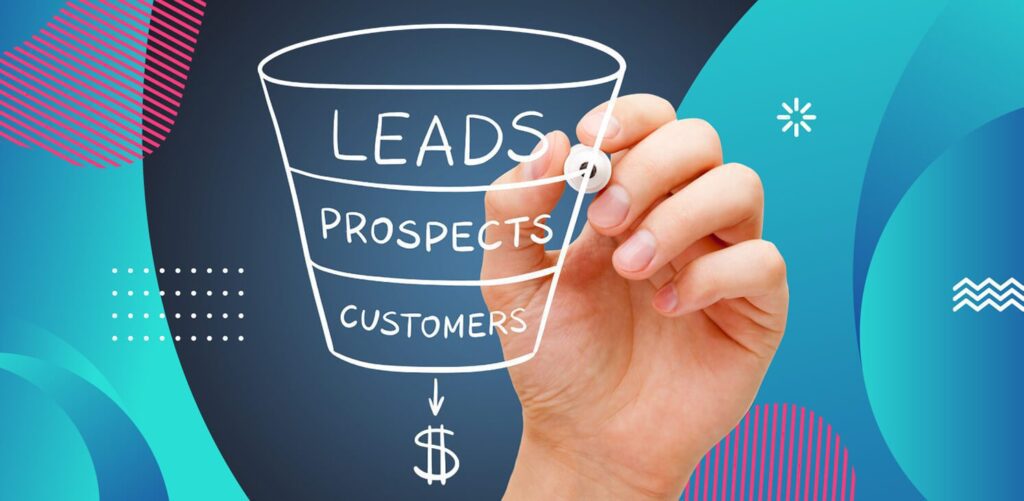
The fundamentals of effective lead generation
The content
- Generating traffic requires relevant content. Content that addresses the needs of your target audience is called inbound marketing . Then, share your content across as many channels as possible: social media, platforms, etc. Optimize your content using SEO ( Search Engine Optimization ) techniques. Your search engine ranking improves your visibility.
- Turning visitors into leads: add links and action buttons to your content. The goal is to guide your lead towards conversion. The button's placement and color should attract the visitor's attention and pique their curiosity. Not all readers read to the end, so consider placing the button in the first few paragraphs without disrupting the flow. Each stage is different: at the beginning of the buyer's journey, informative content like ebooks is more engaging, while closer to a purchase, a free trial is more appealing.
- landing page on your website . This page should provide crucial information and highlight the benefits of your company's offer in exchange for contact details. Specifically, a landing page should include: a clear title, a subtitle that reinforces the information, a visual (image), a clear description, and a form to fill out (with a minimum number of fields to avoid overwhelming the visitor).
- Add value: To stand out, create premium content. High-quality content that answers your target audience's questions and provides the help they need. To do this, offer concrete solutions: white papers , ebooks, essays, free training, reports, studies, etc.
- Qualifying leads: To prioritize your leads, rate them based on their engagement with your website. This classification will allow you to tailor your actions to each lead. The technique used is lead scoring. Marketing tools are available to help you with this task.
To create a successful lead generation campaign, use the right tools
The tools
To consolidate the lead generation process, your company's marketing team must rely on a formal system: lead . These tools are essential for organizing the information gathered about visitors.
- HubSpot: free software that allows you to capture contact information. It imports data from website forms and saves it in a database . It also allows you to create lead feeds;
- Hotjar : software that records visitor behavior on your site using heatmaps. It also analyzes registration and feedback forms.
Your company's marketing teams must constantly: create attractive offers, include calls to action, and differentiate themselves from competitors in order to attract new customers. The lead generation fundamentals mentioned earlier must continue to be refined to improve lead quality .
—————————
Magileads is a prospecting automation software that allows you to easily manage all the complex aspects of your marketing processes.
Try Magileads free for 14 days. Click here .
Or book a demo to see how it works. Click here .