To ensure the success of your prospecting campaigns in 2026, you must adopt a rigorous method focused on personalization and structure. You will achieve a high success rate when you combine an up-to-date database, precise segmentation, and a tailored sales pitch. The numbers speak for themselves:
30% of appointments are accepted on the first contact
74% of salespeople see their performance improve thanks to a CRM
59% of consumers say that email marketing influences their purchasing decisions
You must also anticipate objections , integrate new technologies and control your budget to transform every interaction into an opportunity.
Key points for successful campaigns
Adopt a targeted approach to avoid wasting time on unqualified prospects.
Personalize your messages to capture the attention of decision-makers and increase your response rates.
Conduct an audit of your strategy before starting to identify areas for improvement.
Segment your audience to tailor your messages and maximize their relevance.
Use automation tools to save time and improve the efficiency of your campaigns.
Regularly measure your performance with key indicators to adjust your strategy.
Collaborate closely between sales and marketing teams to increase the number of qualified leads.
Remain persistent and continue to follow up with your prospects, as most sales require multiple contacts.
Fundamentals for successful campaigns
A targeted and structured approach to ensure the success of your campaigns
To succeed with your campaigns in 2026, you need to adopt a targeted and structured approach. This method allows you to focus your efforts on the most relevant prospects, avoiding wasting time and resources on unqualified leads. Effective prospecting is based on quality rather than quantity. You're aiming to prospect better, not just more .
50% of qualified prospects are not ready to buy at the time of initial contact.
More than 40% of salespeople's time is wasted on unproductive prospecting.
By structuring your approach, you improve the organization of your customer data. You communicate more effectively with each prospect. You also foster collaboration between your sales and marketing teams. Rigorous segmentation helps you personalize your messages and deliver the right arguments to the right people. This discipline increases your conversion rates and brings you closer to your goal: successful campaigns.
Message personalization
Personalizing your message is a powerful way to capture the attention of your prospects and maximize your results. By 2026, decision-makers expect tailor-made offers adapted to their specific needs. Therefore, you must adapt each message to the profile and expectations of your target audience.
80% of decision-makers are more receptive to a personalized offer.
Personalized campaigns generate +30% response rates and up to +40% conversions compared to standardized campaigns.
The A/B test showed that the personalized email based on the contact's personal data achieved the best open rate, while the one based on industry information generated the best click-through rate and the most appointments.
By personalizing your messages, you increase the relevance of your approach and build trust with your prospects. This strategy allows you to stand out in a competitive environment and ensure the success of your campaigns.
Importance of the audit and the plan
Before launching any prospecting activities, you must conduct a thorough audit and establish a precise plan. This step helps you identify weaknesses in your current strategy and optimize the allocation of your resources.
The preliminary audit helps to identify areas of budget loss or underperformance.
It highlights ad groups that are too large, ads with a low click-through rate, and underperforming keywords.
The goal is to intelligently reallocate advertising resources to improve campaign performance.
By planning each step to ensure the success of your campaigns, you anticipate obstacles and quickly adapt your strategy. This maximizes the effectiveness of your actions and increases your chances of campaign success. Regular audits also allow you to track the progress of your results and adjust your efforts in real time.
Target preparation and segmentation

Identify and segment the audience
To ensure the success of your campaigns, you must first precisely identify your audience. You need to know who you're addressing before launching any action. Segmentation allows you to divide your market into homogeneous groups based on criteria such as industry sector, company size, or the decision-maker's role. This step enables you to tailor your messaging and increase the relevance of your marketing efforts.
Tip: The finer your segmentation, the more efficient and better your return on investment.
Analysis of prospects' needs
You need to understand the expectations and challenges of each segment. Analyze your prospects' needs by studying their behaviors, objectives, and obstacles to purchase. Use questionnaires, interviews, or data analysis to gather this information. This approach allows you to offer tailored solutions and build trust from the very first contact.
Use of data and AI
Data and artificial intelligence play a key role in segmentation in 2026. You can leverage advanced analytics tools to combine internal and external data. AI helps you detect buying signals, anticipate needs, and personalize your campaigns at scale. You save time and improve the quality of your leads. Modern platforms allow you to quickly visualize the most promising segments and adjust your strategy in real time.
Developing visibility and credibility
To attract the attention of your prospects, you need to work on your visibility and strengthen your credibility. A regular presence on the right channels, relevant content, and quality interactions will position you as a trustworthy player.
Here are some indicators to measure your credibility with your prospects:
Frequency of commercial interactions: the more you interact with your prospects, the closer you create.
Qualified lead share: a high volume of qualified contacts demonstrates the relevance of your approach.
Lead qualification level: the quality of your leads reflects the strength of your targeting.
Understanding prospect objections: anticipating and responding to objections strengthens your expert stance.
Customer retention rate: a loyal customer testifies to the value of your offer.
Customer retention rate: Returning customers prove the trust they place in your business.
By working on these levers, you lay the foundations for successful campaigns and create an environment conducive to conversion.
Creating effective messages to ensure the success of your campaigns
Write personalized texts
To capture the attention of your prospects, you need to write messages that speak directly to their needs. Personalization isn't just about adding a first name to the email subject line. You need to show that you understand your contact's challenges and that you're offering a solution tailored to their situation.
An email that helps the prospect visualize the positive impact of your product or service on their life creates an immediate connection.
Offer useful and relevant resources without asking for anything in return. This approach establishes a relationship of trust from the outset.
Identify a specific problem, highlight its negative impact, and then propose a concrete solution. This outline demonstrates your expertise and your ability to resolve the prospect's difficulties.
Personalizing a questionnaire can increase response rates by up to 48% . Integrating personalized messages into your campaigns significantly improves recipient engagement.
Adapt the tone and content
You must adapt the tone and content of your messages to each segment of your audience. A technical decision-maker expects factual arguments, while an executive prioritizes strategic vision. Adjust your message to meet the specific expectations of each profile.
80% of consumers are more inclined to buy from a company that offers a personalized experience.
Prospects who consume expert content convert six times more than those exposed only to commercial messages.
Educational content demonstrates your expertise and addresses the concerns of your prospects, thereby increasing their engagement.
A message tailored to the target audience fosters engagement and accelerates decision-making. This demonstrates that you respect your interlocutor's time and priorities.
Structure to capture attention
The structure of your messages plays a key role in capturing the attention of your prospects. You must get straight to the point and highlight the essential information from the very first lines.
Start your videos or messages by directly naming the target audience or their problem. This technique quickly captures attention.
Create a page or post titled "Why you should NOT buy from us." This transparency filters out bad prospects and reassures good ones.
Use rhyming slogans or taglines. Rhythmic phrases are memorable and strengthen the credibility of your message.
Opt for interactive mini-tools rather than traditional white papers. Modern prospects are looking for concrete and immediate solutions.
To ensure the success of your campaigns, structure each message clearly and impactfully. A well-constructed message facilitates understanding and encourages action.
Choosing prospecting channels
Emailing
Email marketing remains a cornerstone of B2B prospecting in 2026. You can reach a large number of prospects at a lower cost and personalize each message according to the targeted segment. To maximize the impact of your campaigns, you must carefully craft the subject line, the content, and the timing of your send. Open and click-through rates vary depending on the quality of your database and the relevance of your message.
Here is an overview of average performance:
Campaign type | Open rate | Click-through rate |
|---|---|---|
B2B Emailing | 1,1% | |
General Emailing | 18,2% | N / A |
The average open rate in B2B reaches 15.1% (source: Campaign Monitor).
Overall open rates vary between 18% and 22% depending on the sector.
To achieve better results, you need to segment your database, personalize each message, and test different formats. Email marketing works particularly well for initial contact, sending valuable content, or re-engaging lukewarm leads.
LinkedIn has established itself as the most effective B2B channel for modern prospecting. You can precisely target decision-makers, personalize your approaches, and easily measure your return on investment. Engagement rates on LinkedIn far exceed those of traditional methods.
LinkedIn generates more than 80% of B2B leads from social networks.
Open rates exceed 80% and response rates vary between 20% and 40% with a good strategy.
Decision-makers are five times more likely to accept a connection request on LinkedIn than a cold email.
A well-run campaign can bring you 4 to 12 qualified appointments per month from the second month onwards.
To succeed, you need to refine your profile, personalize each message, and prioritize conversation over sales. LinkedIn is perfectly suited for connecting with targeted profiles, building relationships, and sharing expert content.
SMS and VMS
SMS and VMS (Voice Message Service) offer a direct and instant approach. You reach your prospects on their mobile phones, guaranteeing maximum visibility. Open and read rates are impressive:
97% of SMS messages sent are opened.
95% of text messages are read in less than three minutes.
20% of recipients click on the link contained in the SMS.
The conversion rate of SMS campaigns often exceeds that of other channels.
SMS is suitable for appointment reminders, flash sales, or personalized follow-ups. VMS, on the other hand, allows you to send a personalized voice message, which humanizes the approach and captures attention. To avoid intrusion, you must precisely target your messages and comply with applicable regulations.
Tip: Combine multiple channels to maximize the impact of your prospecting and adapt your approach to each target.
Multichannel and omnichannel
By 2026, you can no longer rely on a single channel for effective prospecting. Decision-makers use multiple platforms and expect a seamless experience, regardless of the touchpoint. A multichannel strategy involves using different channels (email, LinkedIn, SMS, VMS, phone, social media) to reach your prospects at several key moments in their journey. The omnichannel approach goes further: it aims to offer a consistent and personalized experience across all touchpoints, integrating all interactions into a holistic view of the customer.
Adopting a multichannel or omnichannel strategy allows you to:
Maintaining a continuous and personalized customer relationship .
Build long-term customer loyalty.
Significantly improve the performance of your marketing campaigns.
Gain a competitive advantage by differentiating yourself from other market players.
Cover your entire market and reach more potential customers.
Meet the needs of your prospects through multiple channels tailored to their preferences.
💡 Tip: Analyze your target audience's habits to choose the most relevant channels. Some profiles prefer LinkedIn, while others respond better to SMS or personalized emails.
You need to orchestrate your actions so that each channel plays a complementary role. For example, you can initiate contact by email, follow up via LinkedIn, and then conclude with a phone call or text message. This combination increases your chances of capturing attention and generating a response. You also avoid the effect of information overload by varying the points of contact.
Omnichannel marketing relies on centralized data and synchronized messaging. With tools like Magileads, you can track every interaction and adapt your message in real time. This allows you to offer a seamless experience, regardless of the channel used. This consistency reassures your prospects and strengthens your credibility.
To succeed, you must:
Define a clear prospect journey and map the touchpoints.
Automating certain tasks to gain efficiency without losing personalization.
Measure the performance of each channel and continuously adjust your strategy.
By adopting a multichannel or omnichannel approach, you maximize the reach of your campaigns and create lasting relationships with your prospects. You transform every interaction into a conversion opportunity and position your company as an innovative and market-savvy player.
Tools and technologies for prospecting
Automation and AI
Automation and artificial intelligence are transforming sales prospecting in 2026. You can automate the sending of personalized messages across multiple channels, increasing the responsiveness and relevance of your campaigns. AI analyzes your prospects' data to recommend the best time to send or suggest messages tailored to each segment. For example, a SaaS SME can automate its LinkedIn campaigns and integrate responses directly into its CRM. Salespeople benefit from message suggestions optimized for each profile, improving response rates. Companies using AI-powered lead scoring systems sometimes see conversion rates up to 300% higher. You save time and focus your efforts on high-potential prospects.
💡 73% of salespeople say that AI allows them to identify information they would not have found manually.
CRM and tracking
A high-performing CRM centralizes all your prospect data. You can more easily identify sales opportunities and follow up at the right time. The interaction history helps you personalize your message and adapt your approach to each contact. This centralization leads to more qualified leads and better conversion rates. You can track each prospect's progress from the initial contact to the closing. This improves customer satisfaction and sales performance.
Tip: Rigorous tracking through CRM allows you to anticipate the needs of your prospects and offer the right product at the right time.
Magileads: Innovative solutions for successful campaigns
Magileads has established itself as an essential platform for multichannel prospecting. You benefit from advanced features that facilitate the management and optimization of your campaigns:
Automation of campaigns across multiple channels (email, LinkedIn, SMS, VMS)
Automatic enrichment of prospect data
Advanced segmentation and dynamic message personalization
Real-time performance monitoring and analysis
Seamless integration with your CRM and external tools
Companies like Vinci Immobilier saw their qualified leads increase by 40% in three months thanks to the synchronization of email, SMS, and social media campaigns. At Fnac, centralized channel management reduced processing times by 65% and improved customer satisfaction. A tech startup boosted its open rate by 15% by leveraging multichannel A/B testing. You too can reduce your weekly management time while doubling your leads, as demonstrated by a real estate agency manager.
By adopting Magileads, you structure your actions, you gain efficiency and you maximize your results on each channel.
Implementation and management of the campaign
Organization and discipline
To ensure the success of your campaigns, you need to structure your organization rigorously. The OKR (Objectives and Key Results) method helps you set intermediate objectives for each team member, aligned with the company's overall mission. This approach gives everyone a clear vision of their responsibilities and fosters cohesion.
Here's how to distribute roles for maximum efficiency:
The Business Developer identifies and prospects for new leads.
The salesperson converts these leads into customers.
Customer Success maintains the relationship and builds customer loyalty.
You gain efficiency by defining clear objectives , segmenting your target audience, and personalizing each message. Using appropriate tools such as a CRM (HubSpot, Humanlinker, Pipedrive), automation solutions (Lemlist), or analytics platforms (Drift) optimizes your campaign management. A personalized message shows your prospect that you understand their needs, which strengthens their engagement.
Tip: Set up weekly routines to track progress towards each goal and quickly adjust your strategy.
Monitoring and adjustments
Real-time tracking is a cornerstone of campaign management. Prospecting tracking software gives you a comprehensive overview of all sales opportunities. You can measure performance, analyze results, and adjust your strategy without waiting for the campaign to end.
To manage effectively, monitor these key indicators:
Response rate
Conversion rate
Return on investment (ROI)
Modern tools allow you to send personalized emails at scale, schedule follow-up sequences, and track every interaction (opens, clicks, replies, unsubscribes). This lets you streamline your prospecting while maintaining a human touch. Effective management relies on continuous performance analysis and immediate adjustments to your actions.
Don't hesitate to test different messages or channels to identify what works best with each segment.
Commercial and marketing collaboration
The success of a campaign depends on the synergy between sales and marketing teams. When you encourage collaboration, you see a significant increase in revenue and the number of qualified leads. Companies that synchronize their efforts see up to 208% additional growth from their marketing campaigns and an average year-over-year increase of 32% in revenue.
Close collaboration allows for:
Better prospect management
An increase in the volume of qualified leads
Annual revenue growth of approximately 20%
This creates a virtuous circle: marketing generates better-targeted leads, salespeople convert more effectively, and Customer Success fosters customer loyalty. This structure gives you all the tools you need to succeed in your campaigns and sustain your growth.
Optimization and analysis of results
Performance indicators
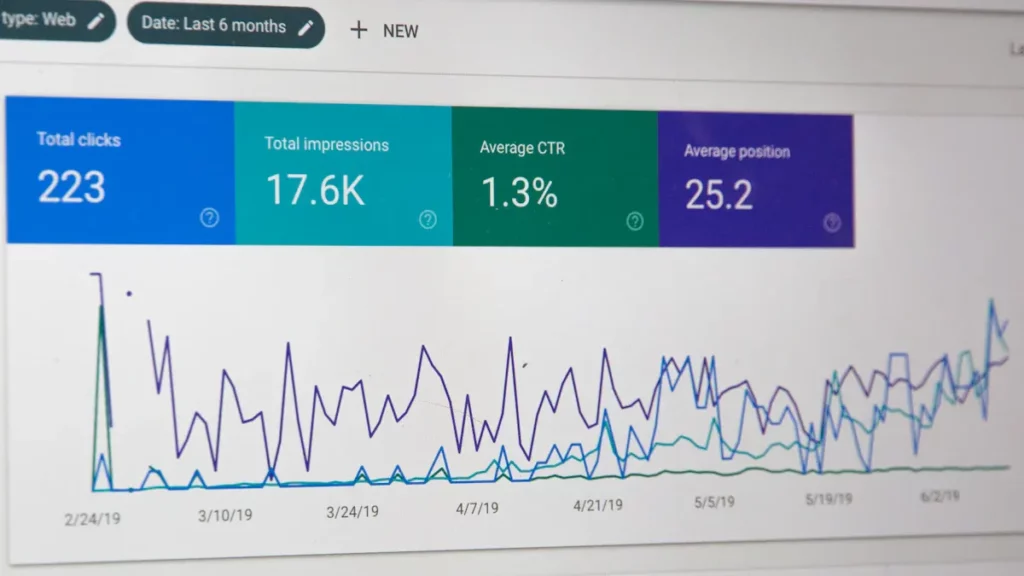
To optimize and ensure the success of your prospecting campaigns, you need to track specific performance indicators. These metrics give you a clear view of the effectiveness of your actions and help you adjust your strategy. Here are the main indicators to monitor:
Number of appointments secured : Measure the impact of your prospecting techniques.
Number of quotes sent : Evaluate the quality of appointments obtained.
Conversion rate : Analyze the performance of your sales proposals.
Revenue generated : Track the overall profitability of your campaigns.
Average basket size : Observe the average amount spent by your customers.
Average sales cycle duration : Calculate the time between prospecting and signing.
Prospect feedback : Gather information on the experience your prospects had.
Customer satisfaction : Use the Net Promoter Score to measure loyalty.
Number of leads generated : Evaluate the power of your prospecting.
Conversion rate : Measure the proportion of leads that become opportunities.
Answer rate : Analyze the effectiveness of your calls.
False number rate : Check the quality of your database.
Tip: Track these indicators weekly to quickly identify areas for improvement.
Data interpretation
Analyzing results isn't just about collecting numbers. You need to interpret this data to refine your future campaigns. Several levers allow you to optimize your actions:
Predictive analytics helps you anticipate market developments and adjust your priorities.
Segmenting your databases allows you to adapt your strategies to each target group.
Personalizing interactions increases your chances of conversion and strengthens customer relationships.
By cross-referencing this information, you identify the most promising segments and adapt your messages to maximize the impact of each campaign.
A/B testing
A/B testing has become an essential tool for improving your performance and ensuring the success of your campaigns. You test different versions of your messages, visuals, or calls to action to determine what resonates best with your audience. The results obtained by companies show significant differences depending on the elements tested
Item tested | |
|---|---|
Object line | Optimizing email and InMail open rates |
Images and GIFs | Influence on response and conversion rates |
Writing style | Increased response rate depending on the target audience |
Formatting | Impact on prospect engagement |
Call to action | Maximizing conversions |
Depth of content | Preferences for long or short content |
Invitations to connect | Effectiveness of personalized versus blank messages |
Message body | Comparison of different messages for response rates |
Deadline | Influence of timing on responses |
Links | Prospect interest in different links |
Signature | Increased requests for calls and demonstrations |
Don't hesitate to test your campaigns regularly. This will help you identify best practices and continuously improve your results.
Tips for successful campaigns
Mistakes to avoid
To ensure the success of your campaigns, you must avoid certain common mistakes that hinder sales performance. Many professionals overlook these essential points:
Lack of targeting: If you don't clearly define your target audience, you waste time and get few qualified leads .
Generating unqualified leads: Always qualify your prospects so you don't waste your efforts on contacts who don't need your offer.
Focusing on quantity rather than quality: Prospecting too many irrelevant contacts exhausts your energy without concrete results.
Forgetting to follow up on leads: Regular follow-up remains essential. It often takes between 5 and 10 contacts to secure a qualified appointment.
Lack of action measurement: Without performance indicators, you cannot analyze or improve your campaigns.
Tip: Set up a dashboard to track your key indicators and adjust your strategy based on the results.
Best practices for successful campaigns
Experts recommend several best practices to maximize the effectiveness of your prospecting. Adopt a structured and rigorous approach:
Define a clear target audience and build a precise persona.
Prepare a sales pitch focused on customer benefits.
Master your elevator pitch to quickly capture attention.
Select the prospecting channels that are right for your audience.
Organize your prospecting with a high-performing CRM.
Other practical tips:
Check that your phone number is up to date.
Contact the secretariat to obtain the decision-maker's direct number.
Update your customer database regularly.
Set sales targets .
Schedule your calls according to the prospects' availability.
Tip: Rigorous organization and a reliable database increase your chances of success.
Perseverance and confidence
Perseverance plays a key role in prospecting. You must understand that each interaction with a prospect helps you better understand their needs and priorities. Regular follow-up often helps overcome temporary obstacles. Prospecting requires time and patience. On average, it takes between 5 and 12 points of contact before a prospect makes a purchase decision. Yet, 80% of sales are closed after the sixth contact, while the majority of salespeople give up after one or two interactions.
Don't give up too quickly. An experienced salesperson shared that they converted a prospect after several months of regular and constructive communication. Trust and consistency make all the difference.
By maintaining confidence and remaining consistent in your efforts, you maximize your chances of success in your campaigns.
Real-life examples and testimonials
Success stories
Want to understand how companies have transformed their prospecting? Take the example of a tech SME. It invested in ongoing training for its sales teams . Each member attended workshops on negotiation and objection handling. The result: the conversion rate increased by 35% in six months.
Another company, specializing in B2B services, adopted a multichannel strategy. It combined email, phone, and LinkedIn to reach its prospects. This approach generated more qualified leads and increased brand visibility.
💡 Tip: Personalizing your messages and mastering your prospecting channels makes all the difference. This allows you to build trust and achieve tangible results.
Feedback from experience
Prospecting professionals often share the same key success factors. Here's what you can remember:
Sales team training: You improve your negotiation and objection handling skills.
Prospecting channel mastery: You effectively use the telephone, email and social networks.
Rigorous monitoring of actions: You maintain contact with your prospects through methodical follow-up.
Personalizing the business relationship: You create a deeper connection with each prospect.
Personalizing interactions and offers remains essential. By precisely meeting the needs of your prospects, you strengthen the effectiveness of your prospecting efforts.
Note: Continuing education helps you adapt to market changes and new customer behaviors.
Analysis of innovative campaigns
Innovative campaigns stand out for their ability to generate measurable results. Here's how some companies have optimized their campaigns for success:
Increase brand visibility through targeted content on LinkedIn.
Generate more qualified leads by using personalized email sequences.
Maintain dynamic interactions with customers via SMS follow-ups and voice messages.
For example, a company in the real estate sector used an automation platform to centralize its operations. This reduced management time and increased customer satisfaction.
By adopting a structured and innovative approach, you maximize the impact of your campaigns and stand out in your market.
To ensure the success of your prospecting campaigns in 2026, you must:
Define your target audience precisely and personalize each message.
Use innovative tools like Magileads to automate and track your actions.
Measure your results and continuously adjust your strategy.
Stay consistent, dare to innovate, and take action today.
To delve deeper, explore white papers, webinars, or specialized training courses in digital prospecting.
FAQ: How to succeed in your campaigns
What are the best tools for automating prospecting in 2026?
You can use Magileads, HubSpot, or Lemlist. These platforms help you automate sending messages, track responses, and segment your prospects. They also integrate artificial intelligence to optimize your campaigns.
How to effectively personalize a prospecting message?
You need to analyze your prospect's profile. Use their first name, industry, and specific needs. Offer a solution tailored to their problem. A personalized message demonstrates your expertise and increases your chances of getting a response.
What frequency should I use to follow up with a prospect?
You should follow up every 3 to 7 days. Vary the channels (email, LinkedIn, phone) to avoid fatigue. Remain professional and tailor each follow-up to the prospect's situation.
How do you measure the success of a prospecting campaign?
Track key metrics: open rate, response rate, number of appointments booked, conversion rate, and revenue generated. Use a dashboard to visualize your results and adjust your strategy.
Can AI replace salespeople in prospecting?
AI automates certain tasks and analyzes data. It doesn't replace human interaction. You need to maintain direct contact to build trust and close the sale.
How can I prevent my emails from ending up in spam?
Check the quality of your database. Personalize each message. Use a clear subject line and avoid suspicious words. Test your campaigns before sending them out in bulk.
What is the difference between multichannel and omnichannel?
Multichannel uses several separate channels. Omnichannel synchronizes all touchpoints to offer a seamless experience. You need to centralize your data to succeed with an omnichannel strategy.
See also how to succeed in your campaigns
Comprehensive Guide for Prospecting in 2024
Effective Techniques for Successful Prospecting
Key Information to Improve Your B2B Prospecting