Pour réussir une conversion client, il est essentiel de comprendre les motivations et les comportements de ce dernier. Chaque client potentiel a des besoins spécifiques, des attentes et des préférences qui influencent leur décision d’achat. En analysant les données démographiques, psychographiques et comportementales, les entreprises peuvent mieux cerner leur public cible.
Par exemple, une étude menée par le cabinet de conseil McKinsey a révélé que 70 % des décisions d’achat sont basées sur des émotions. Cela souligne l’importance de créer une connexion émotionnelle avec le client. De plus, il est crucial d’identifier les points de douleur du client.
Qu’est-ce qui les empêche d’acheter ? Est-ce le prix, la complexité du processus d’achat ou le manque d’informations ? En répondant à ces questions, les entreprises peuvent adapter leur stratégie pour surmonter ces obstacles.
Des outils comme les enquêtes de satisfaction et les analyses de parcours client peuvent fournir des informations précieuses pour mieux comprendre le client de conversion. Voici un lien vers notre page sur les Campagnes multicanales.
Résumé
- Comprendre le client de conversion
- Créer une expérience d’achat optimale
- Utiliser des appels à l’action efficaces
- Optimiser la page de paiement
- Utiliser des témoignages et avis clients
Créer une expérience d’achat optimale pour une bonne conversion client
L’expérience d’achat est un facteur déterminant dans le processus de conversion. Une interface utilisateur intuitive et agréable peut faire toute la différence. Les clients doivent pouvoir naviguer facilement sur le site, trouver rapidement ce qu’ils recherchent et bénéficier d’une présentation claire des produits.
Selon une étude de Forrester Research, une bonne expérience utilisateur peut augmenter les taux de conversion client jusqu’à 400 %. Cela démontre l’importance d’investir dans la conception et l’ergonomie du site. En outre, il est essentiel d’offrir des options de personnalisation.
Les clients apprécient de se sentir uniques et valorisés. Par exemple, permettre aux utilisateurs de personnaliser un produit ou de choisir des recommandations basées sur leurs précédents achats peut améliorer leur expérience. Des marques comme Nike et Starbucks ont brillamment intégré cette approche dans leur stratégie, augmentant ainsi leur fidélité client.
Utiliser des appels à l’action efficaces

Les appels à l’action (CTA) sont des éléments cruciaux pour inciter les visiteurs à passer à l’action. Un CTA bien formulé peut transformer un simple visiteur en acheteur. Il est important que ces appels soient clairs, concis et attrayants.
Par exemple, au lieu d’utiliser un simple “Acheter maintenant”, une formulation plus engageante comme “Profitez de votre réduction exclusive aujourd’hui !” peut susciter un plus grand intérêt. De plus, la position des CTA sur la page joue également un rôle clé. Ils doivent être visibles sans être intrusifs.
Des tests A/B peuvent aider à déterminer l’emplacement optimal pour maximiser les clics. En intégrant des éléments visuels attrayants et en utilisant des couleurs contrastantes, les entreprises peuvent également augmenter l’efficacité de leurs CTA.
Optimiser la page de paiement
| Métriques | Valeurs |
|---|---|
| Taux de conversion | 12% |
| Taux d’abandon | 25% |
| Temps de chargement moyen | 3.5 secondes |
| Taux de rebond | 30% |
La page de paiement est souvent le dernier obstacle avant la conversion client finale. Si cette étape est trop complexe ou peu rassurante, les clients peuvent abandonner leur panier. Pour éviter cela, il est crucial de simplifier le processus de paiement en réduisant le nombre d’étapes nécessaires pour finaliser un achat.
Une étude de Baymard Institute a révélé que 69,57 % des utilisateurs abandonnent leur panier en raison d’un processus de paiement trop long ou compliqué. De plus, offrir plusieurs options de paiement peut également améliorer l’expérience utilisateur. Les clients ont des préférences variées en matière de paiement, qu’il s’agisse de cartes de crédit, de PayPal ou même de solutions comme Apple Pay.
En intégrant ces options, les entreprises peuvent répondre aux besoins diversifiés de leur clientèle et ainsi augmenter leurs chances de conversion.
Utiliser des témoignages et avis clients
Les témoignages et avis clients jouent un rôle fondamental dans la décision d’achat. Les consommateurs sont souvent influencés par les expériences des autres avant de faire un choix. En affichant des avis positifs sur le site web, les entreprises peuvent renforcer leur crédibilité et instaurer un climat de confiance.
Selon une étude de BrightLocal, 91 % des consommateurs lisent des avis en ligne avant d’effectuer un achat. Il est également bénéfique d’encourager les clients satisfaits à laisser des témoignages détaillés. Ces récits authentiques peuvent humaniser la marque et créer une connexion émotionnelle avec les nouveaux clients potentiels.
Des plateformes comme Trustpilot ou Google Reviews permettent aux entreprises de collecter et d’afficher ces avis facilement.
Offrir des promotions et des remises attractives

Les consommateurs sont attirés par les économies
Les consommateurs sont souvent attirés par des offres spéciales qui leur permettent d’économiser de l’argent. Par exemple, une étude menée par RetailMeNot a révélé que 80 % des consommateurs sont plus susceptibles d’acheter si une promotion est disponible.
Créer un sentiment d’urgence pour une conversion client rapide
En proposant des remises limitées dans le temps ou des offres exclusives pour les nouveaux clients, les entreprises peuvent créer un sentiment d’urgence qui incite à l’achat. Il est également important d’adapter les promotions en fonction du comportement d’achat des clients. Par exemple, offrir une remise sur un produit que le client a consulté plusieurs fois peut être une stratégie efficace pour le convaincre d’acheter.
Personnaliser les offres pour maximiser l’impact
En utilisant des outils d’analyse pour suivre le comportement des utilisateurs, les entreprises peuvent personnaliser leurs offres et maximiser leur impact.
Utiliser le marketing par e-mail pour encourager les ventes
Le marketing par e-mail reste l’un des outils les plus efficaces pour encourager les ventes. En envoyant des newsletters régulières contenant des offres spéciales, des nouveaux produits ou des contenus pertinents, les entreprises peuvent maintenir l’engagement de leurs clients. Selon une étude de HubSpot, l’e-mail marketing génère un retour sur investissement moyen de 42 $ pour chaque dollar dépensé.
Il est également crucial de segmenter la liste d’abonnés pour envoyer des messages ciblés et personnalisés. Par exemple, envoyer un e-mail aux clients ayant abandonné leur panier avec une offre spéciale peut inciter à finaliser l’achat. De plus, l’automatisation du marketing par e-mail permet d’envoyer des messages au bon moment sans nécessiter une intervention manuelle constante.
Utiliser le remarketing pour cibler les clients potentiels
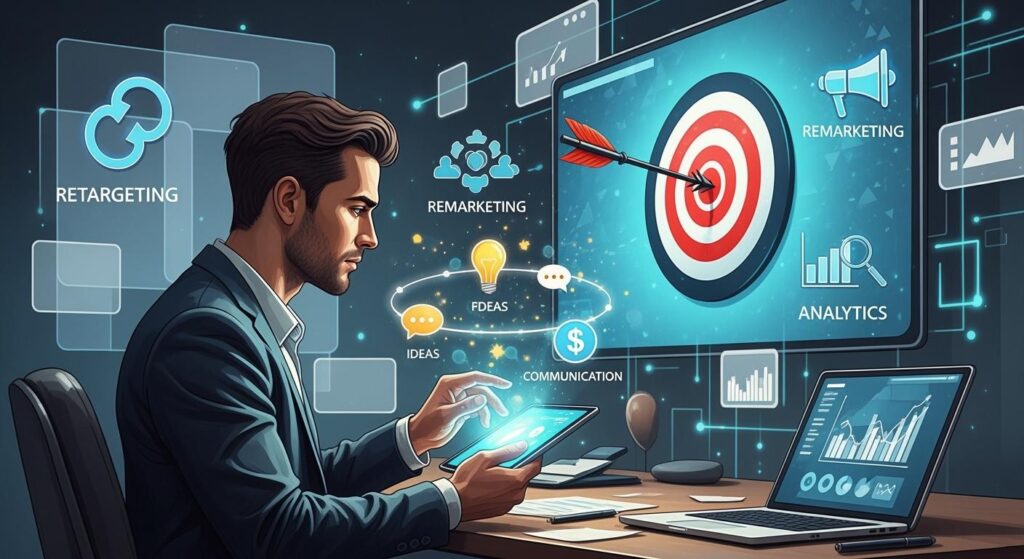
Le remarketing est une stratégie puissante pour reconquérir les visiteurs qui n’ont pas converti lors de leur première visite. En affichant des annonces ciblées sur d’autres sites web ou réseaux sociaux, les entreprises peuvent rappeler aux clients potentiels ce qu’ils ont laissé derrière eux.
Il est important d’adapter les annonces en fonction du comportement antérieur du visiteur. Par exemple, si un utilisateur a consulté un produit spécifique sans l’acheter, afficher une annonce mettant en avant ce produit avec une remise peut être très efficace. En utilisant des outils comme Google Ads ou Facebook Ads, les entreprises peuvent mettre en place des campagnes de remarketing ciblées qui maximisent leurs chances de conversion.
Suivre et analyser les données de conversion
Pour améliorer continuellement le processus de conversion, il est essentiel de suivre et d’analyser les données pertinentes. Des outils comme Google Analytics permettent aux entreprises de mesurer divers indicateurs clés tels que le taux de conversion, le temps passé sur le site et le taux d’abandon du panier. En analysant ces données, il est possible d’identifier les points faibles du parcours client et d’apporter des améliorations ciblées.
De plus, il est important d’effectuer régulièrement des tests A/B pour évaluer l’efficacité des différentes stratégies mises en place. Par exemple, tester deux versions différentes d’une page produit peut révéler laquelle génère le plus de conversions. En adoptant une approche basée sur les données, les entreprises peuvent optimiser leur stratégie et maximiser leurs résultats.
Une navigation fluide et intuitive est essentielle pour garantir une expérience utilisateur positive. Si un visiteur a du mal à trouver ce qu’il cherche, il est probable qu’il abandonne le site sans effectuer d’achat. Pour améliorer la navigation, il est important d’organiser clairement les catégories de produits et d’utiliser un moteur de recherche efficace.
De plus, intégrer des filtres et options de tri peut aider les utilisateurs à affiner leurs recherches selon leurs préférences spécifiques. Une étude menée par Nielsen Norman Group a montré que 86 % des utilisateurs préfèrent naviguer sur un site où ils peuvent facilement trouver ce qu’ils cherchent. En investissant dans une navigation optimisée, les entreprises peuvent réduire le taux d’abandon et augmenter leurs conversions.
Fidéliser les clients pour encourager les ventes récurrentes
La fidélisation des clients est tout aussi importante que l’acquisition de nouveaux clients. Un client fidèle est non seulement plus susceptible d’effectuer des achats répétés, mais il peut également devenir un ambassadeur de la marque en recommandant vos produits à son entourage. Pour encourager la fidélité, il est essentiel d’offrir un excellent service client et d’établir une relation durable avec chaque client.
Des programmes de fidélité peuvent également inciter les clients à revenir régulièrement. Par exemple, offrir des points pour chaque achat qui peuvent être échangés contre des remises futures peut stimuler l’engagement à long terme.
En conclusion, optimiser le processus de conversion client nécessite une approche holistique qui prend en compte chaque étape du parcours client. En comprenant leurs besoins, en créant une expérience d’achat agréable et en utilisant diverses stratégies marketing efficaces, les entreprises peuvent non seulement augmenter leurs taux de conversion client mais aussi bâtir une clientèle fidèle sur le long terme.
Pour améliorer votre stratégie de conversion client, je vous recommande de consulter l’article Comment attirer des prospects qualifiés sur le site Magileads. Cet article vous donnera des conseils pratiques pour attirer des prospects qualifiés et les convertir en clients. En combinant ces conseils avec une bonne stratégie de lead scoring et de nurturing B2B, vous pourrez maximiser vos chances de conversion client et de fidélisation de la clientèle. N’hésitez pas à consulter également l’article Améliorez votre stratégie de nurturing B2B pour des astuces supplémentaires.
Créez votre compte gratuitement
FAQs sur la conversion client
Qu’est-ce qu’un client de conversion?
Un client de conversion client est un individu ou une entreprise qui a été convaincu d’acheter un produit ou un service après avoir été exposé à une campagne marketing ou publicitaire.
Quels sont les différents types de conversion client ?
Il existe plusieurs types de clients de conversion, tels que les clients potentiels qui deviennent des clients réguliers, les clients inactifs qui reprennent leurs achats, ou les clients insatisfaits qui sont fidélisés.
Comment mesurer le taux de conversion client ?
Le taux de conversion client peut être mesuré en divisant le nombre de clients convertis par le nombre total de clients exposés à la campagne marketing, puis en multipliant le résultat par 100 pour obtenir un pourcentage.
Quelles sont les stratégies pour augmenter la conversion client?
Certaines stratégies pour augmenter la conversion client incluent l’amélioration de l’expérience client, la personnalisation des offres, l’utilisation de témoignages clients, et la mise en place de programmes de fidélisation.
Quel est l’impact d’une conversion client sur une entreprise?
Une conversion client réussie peut avoir un impact significatif sur une entreprise, en augmentant ses revenus, en renforçant sa réputation et en fidélisant sa clientèle.